Understanding the Basics of Searing Chicken Breast
What Does Searing Achieve?
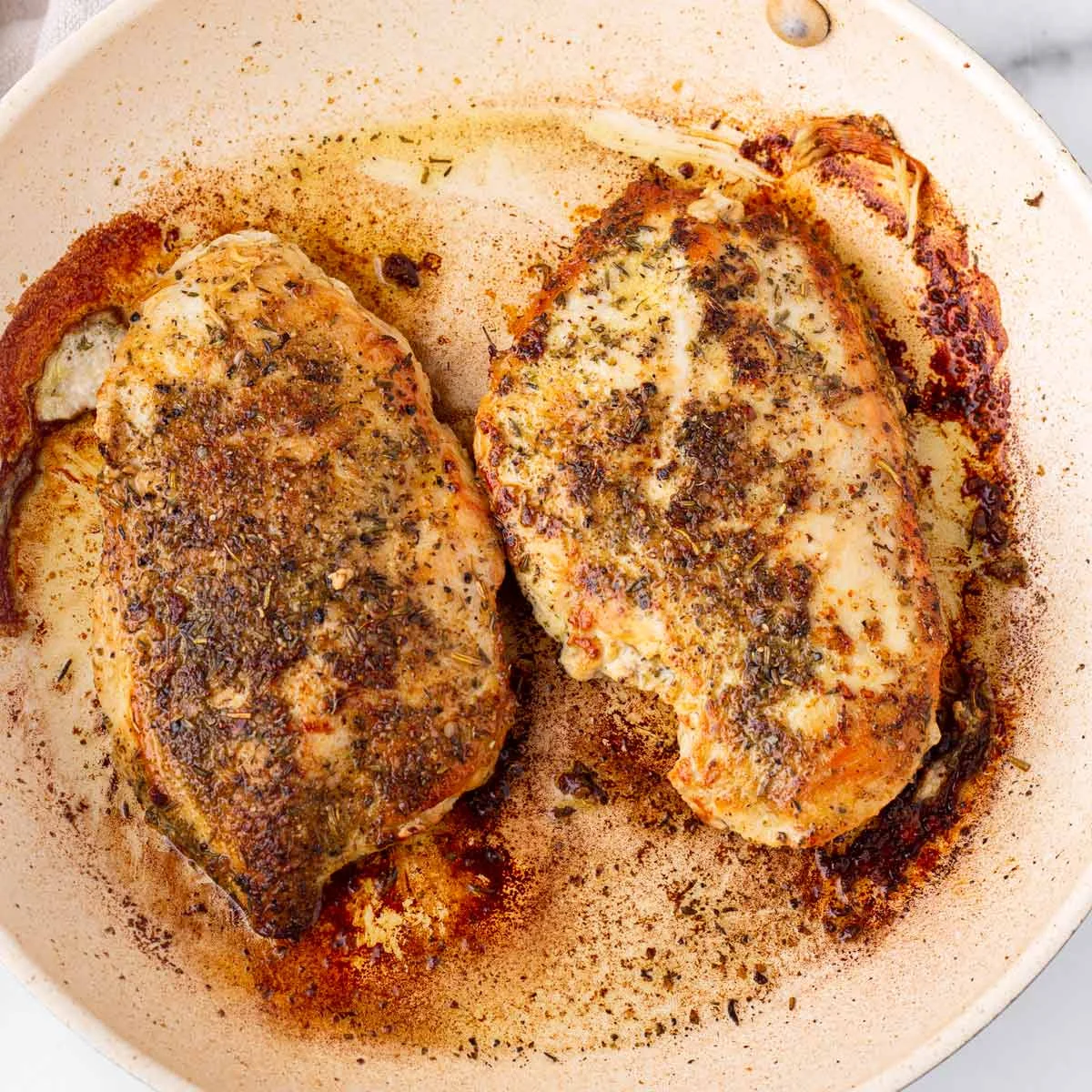
Searing chicken breast creates a flavorful, golden crust that enhances texture and taste. This cooking technique locks in natural juices by creating a barrier, preventing moisture from escaping. Proper searing also develops complex caramelized flavors from the Maillard reaction, elevating a simple piece of chicken to a delicious meal.
Common Mistakes to Avoid
A major error is overcrowding the pan, which causes the chicken to steam rather than sear. Using a cold pan or the wrong oil with a low smoke point can lead to uneven cooking or burning. Another frequent misstep is flipping too early or frequently, disrupting the crust formation. Lastly, neglecting internal temperature checks may result in dry or undercooked chicken.
Preparation Steps for Moist and Flavorful Chicken
Choosing the Right Cut and Thickness
Opt for chicken breasts that are uniform in size and thickness. If necessary, pound thicker breasts to even thickness to ensure consistent cooking. This prevents some parts from drying out while others remain undercooked, making it easier to achieve an evenly seared surface.
Marinating and Brining Techniques
Brining adds moisture and seasoning, helping the chicken stay juicy. A simple saltwater brine for 15-30 minutes can make a significant difference. Marinating with acidic ingredients like lemon juice or yogurt can tenderize but avoid overly acidic marinades for long periods, as they can break down the meat’s texture too much.
Step-by-Step Guide to Perfectly Searing Chicken Breast
Preheating Your Pan and Selecting the Best Oil
Begin by heating a heavy-bottomed skillet over medium-high heat. The pan must be hot enough to sizzle when the chicken touches it, ensuring a proper sear. Use oils with high smoke points like avocado, grapeseed, or refined olive oil to withstand the heat without burning.
Cooking Time and Temperature Control
Place the chicken breast gently into the hot pan and cook undisturbed for about 5-7 minutes. Adjust the heat if the oil smokes excessively, lowering it slightly to maintain a steady sizzle. Flip once the edges show a golden crust and the chicken releases easily from the pan.
When to Flip and How to Test for Doneness
Flip the chicken only once to preserve the crust. Cook the second side for another 5-7 minutes. Use a meat thermometer to check for an internal temperature of 165°F (74°C), ensuring safety without overcooking. If you don’t have a thermometer, pierce the thickest part and make sure the juices run clear.
Post-Searing Tips to Retain Juiciness
Resting the Chicken Properly
Rest the chicken breast for 5 minutes after cooking. This allows juices to redistribute, preventing them from spilling out when cut. Cover loosely with foil during this time to keep it warm without sweating.
Additional Flavor Enhancements and Serving Suggestions
After resting, enhance flavor by adding a pat of herb butter or drizzling with pan juices. Fresh herbs, lemon zest, or a light sauce can complement the dish. Serve with vegetables or grains to balance the meal and enjoy the tender, juicy results of your perfectly seared chicken breast.