Understanding the Role of Oil in Stir-Fries
Why Oil is Important for Flavor and Texture
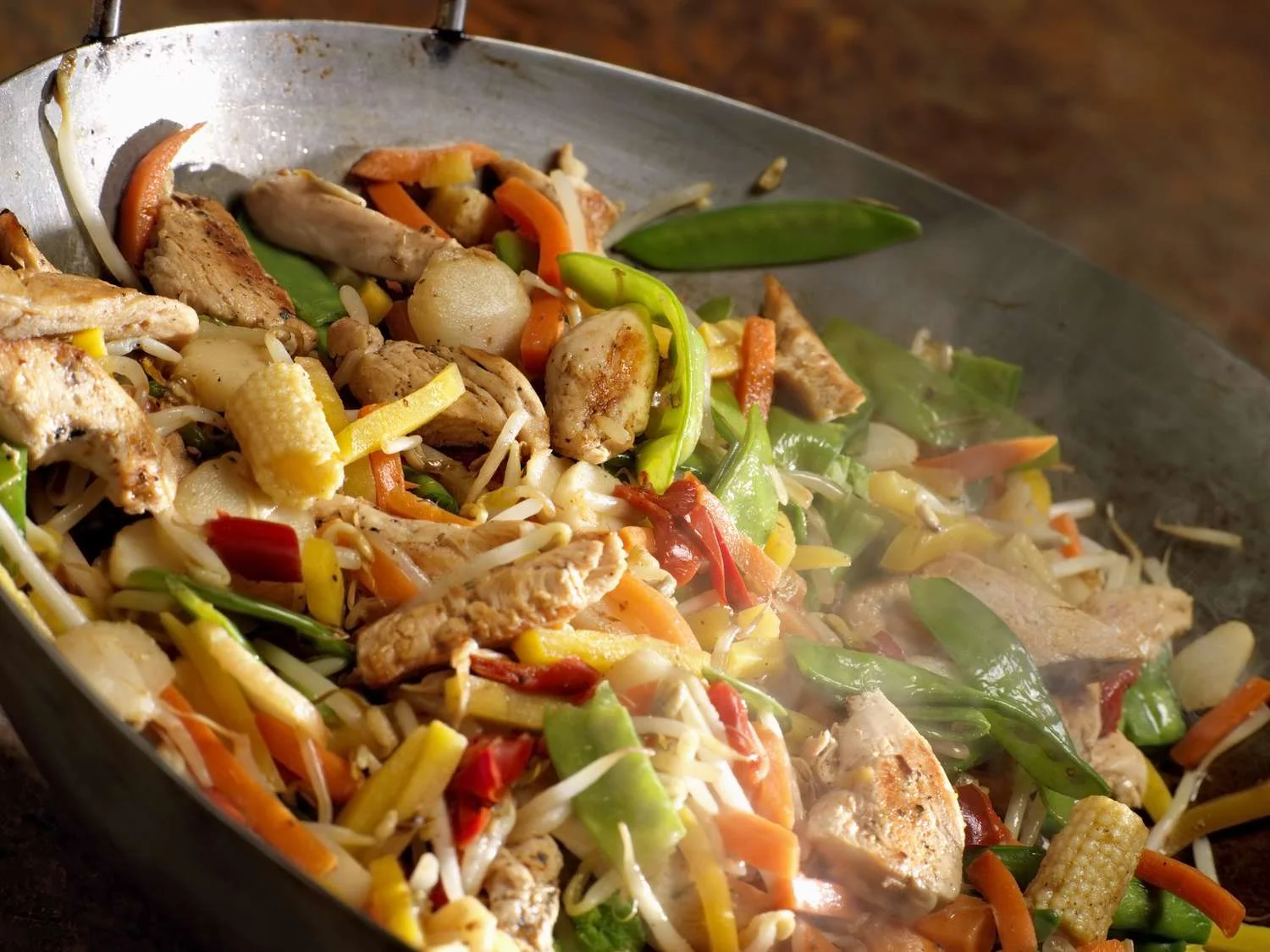
Oil plays a crucial role in stir-frying, not just as a cooking medium but also as a flavor enhancer. It helps transfer heat evenly, allowing food to cook quickly and develop the characteristic sear and slight crispiness. Moreover, oil carries and intensifies the flavors of spices and aromatics, contributing to the overall taste complexity. Without sufficient oil, ingredients may steam rather than fry, resulting in a softer texture and muted flavors.
Common Types of Oils Used in Stir-Frying
Choosing the right oil affects both health and flavor outcomes. Popular options include vegetable oil, canola oil, peanut oil, and sesame oil. Peanut oil is favored for its high smoke point and neutral taste, making it ideal for high-temperature stir-frying. Sesame oil, though usually used sparingly as a finishing touch, adds a deep, nutty aroma. Understanding the smoke points and flavor profiles helps optimize oil usage without overpowering the dish.
Techniques to Minimize Oil Usage Effectively
Non-Stick Cookware: A Game Changer
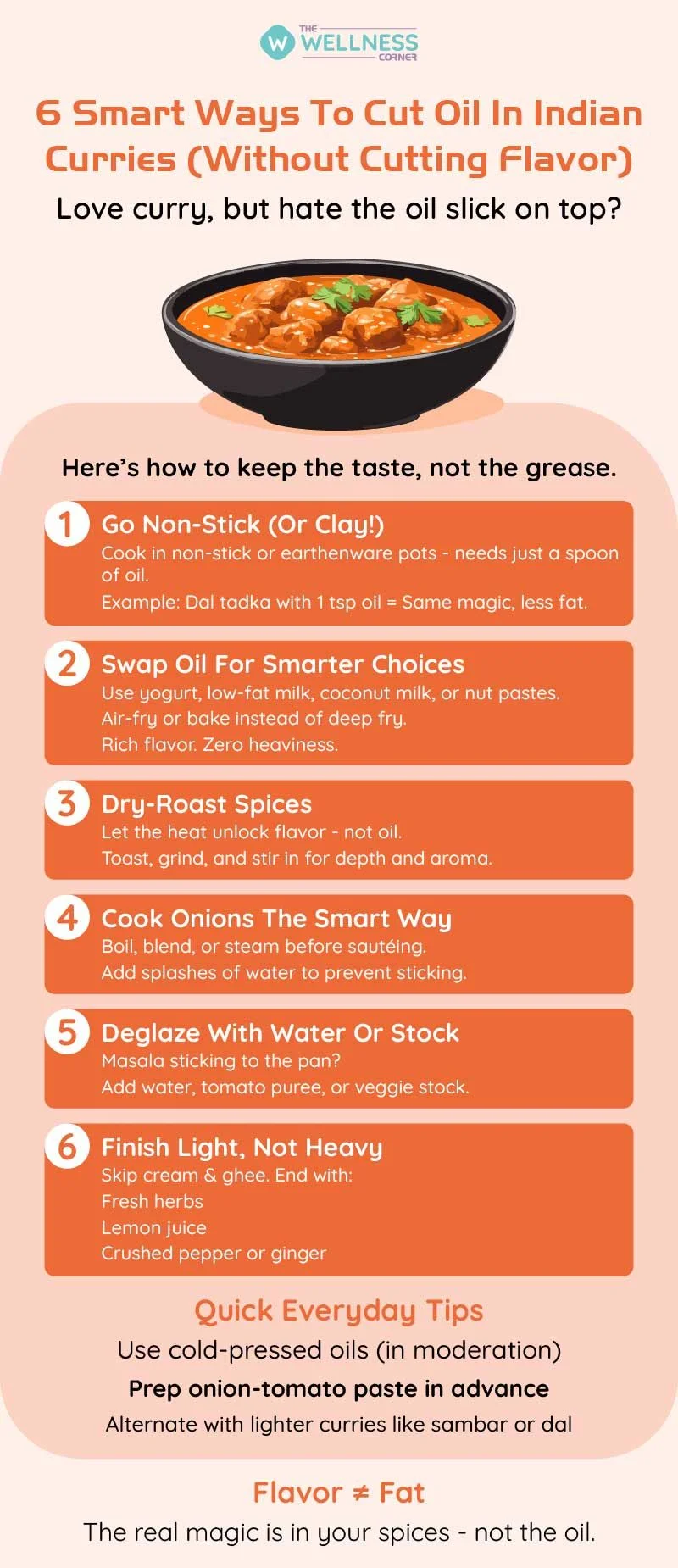
One of the most straightforward ways to reduce oil without compromising stir-fry quality is to invest in good non-stick pans or woks. These surfaces require less oil to prevent sticking, allowing you to use minimal amounts while still achieving a golden, flavorful result. Additionally, non-stick cookware simplifies cleanup and helps maintain the integrity of delicate ingredients.
Preheating and Temperature Control for Oil Efficiency
Properly preheating the pan is essential when using less oil. A hot pan ensures that even a small amount of oil spreads quickly and cooks the ingredients evenly. Managing temperature throughout the cooking process is equally important; too low, and food will absorb excess oil, too high, and oil can burn, creating off-flavors. By mastering temperature control, you enhance both efficiency and taste with minimal oil.
Using Water or Broth as Alternatives
To further cut down oil usage, water or low-sodium broth can replace some of the oil during cooking. Adding a splash of liquid periodically helps prevent sticking and maintains moisture in the ingredients. This method also promotes gentle steaming combined with stir-frying, which keeps vegetables crisp and proteins tender, all while reducing fat content.
Ingredient Preparation Tips to Enhance Flavor Without Excess Oil
Choosing Naturally Flavorful Vegetables and Proteins
Selecting ingredients with inherent strong flavors reduces the need for extra oil or heavy sauces. Vegetables like bell peppers, mushrooms, and asparagus provide natural sweetness and umami, while proteins such as chicken thigh or firm tofu absorb spices well without requiring oily coatings. This approach builds a flavor base that stands out even with less oil.
Marinating for Moisture and Depth of Taste
Marinating proteins before stir-frying enhances moisture retention and infuses them with rich flavors, making each bite more satisfying. Ingredients like soy sauce, ginger, garlic, and a touch of acid such as rice vinegar create depth without relying on oil-heavy seasoning. Allowing sufficient marination time also reduces the amount of oil needed to prevent drying out during cooking.
Flavor Boosters That Substitute Oil
Using Aromatics: Garlic, Ginger, and Onions
Aromatics are indispensable in building flavor layers without adding extra oil. Sautéing minced garlic, ginger, and onions in minimal oil releases their essential oils and adds fragrance to the dish. These ingredients not only elevate the scent and taste but also stimulate appetite, making dishes taste richer even with lower fat content.
Incorporating Umami-Rich Sauces and Spices
Umami-rich components like soy sauce, fish sauce, hoisin, and fermented pastes provide savory depth that compensates for reduced oiliness. Spice blends including chili flakes, five-spice powder, or fresh herbs amplify complexity and impact. Carefully balancing these flavors ensures the dish remains exciting and flavorful despite cutting back on oil.
Step-by-Step Low-Oil Stir-Fry Recipes
Classic Chicken and Vegetable Stir-Fry
Start by marinating bite-sized chicken pieces in a mixture of soy sauce, ginger, and garlic for 20 minutes. Heat a non-stick pan over medium-high heat, adding just one tablespoon of peanut oil. Sear the chicken until lightly browned and remove from the pan. Next, add sliced bell peppers, broccoli florets, and snap peas, stirring frequently. Introduce a splash of chicken broth to keep vegetables crisp-tender. Return chicken to the pan, toss all ingredients together, and finish with a drizzle of toasted sesame oil for aroma.
Tofu and Broccoli Stir-Fry with Minimal Oil
Press and cube firm tofu, then marinate it briefly in a blend of soy sauce, garlic, and chili flakes. Heat a non-stick skillet and add a teaspoon of vegetable oil. Fry tofu cubes until golden on each side, then remove them. Add broccoli and a small amount of water to create steam and prevent sticking. After softening the broccoli, return tofu to the pan, mix thoroughly, and finish with a splash of soy sauce and fresh ground black pepper. This method keeps the dish light yet flavorful without excessive oil.
Final Recommendations for Maintaining Taste and Health Balance
Reducing oil in stir-fries is achievable by combining smart cooking techniques, intentional ingredient choices, and flavor enhancers. Using non-stick cookware, controlling heat, and substituting liquids for excess oil help maintain texture and prevent greasiness. Flavorful marinades, aromatics, and umami components ensure dishes stay vibrant and satisfying. With these strategies, you can enjoy healthy stir-fries that deliver the taste and enjoyment you crave without unnecessary fats.