Introduction: The Importance of Healthy Dinner Meal Prep
Why Meal Prepping Saves Time and Stress
Busy weeknights often leave little room for cooking, which leads many to rely on quick, less nutritious options. The problem is that preparing dinner from scratch can feel overwhelming after a long day. Meal prepping addresses this by shifting much of the cooking effort to a dedicated time when you aren’t rushed. This approach reduces the nightly scramble to decide what to eat, minimizing stress and enabling a smoother evening routine. Meal prepping can transform chaotic dinners into calm, enjoyable moments by having ready-made components or entire meals waiting to be reheated or assembled.
Benefits of Prioritizing Nutrition on Busy Weeknights
Neglecting nutrition during busy evenings often results in low-energy meals that don’t support overall health. Focusing on healthy dinners ensures that your body gets the necessary nutrients to recover from the day and prepare for the next. Achieving this even on busy weeknights promotes better digestion, improved sleep quality, and sustained energy levels. When nutritious meals are prepped ahead, it’s easier to resist less wholesome convenience foods. Prioritizing healthy eating helps create lasting habits that support long-term well-being.
Planning Your Weeknight Dinners: Smart Strategies
Choosing Quick and Nutritious Recipes
The challenge lies in finding recipes that are both healthy and swift to make. Many nutritious meals can be prepared in under 30 minutes using fresh, simple ingredients. Selecting recipes with minimal steps and easily sourced produce helps streamline your prep work. Emphasize meals that combine lean proteins, whole grains, and colorful vegetables to ensure a balanced plate. Recipes that adapt well to batch cooking provide additional convenience, allowing you to prepare multiples servings at once.
Creating a Balanced Meal Plan for the Week
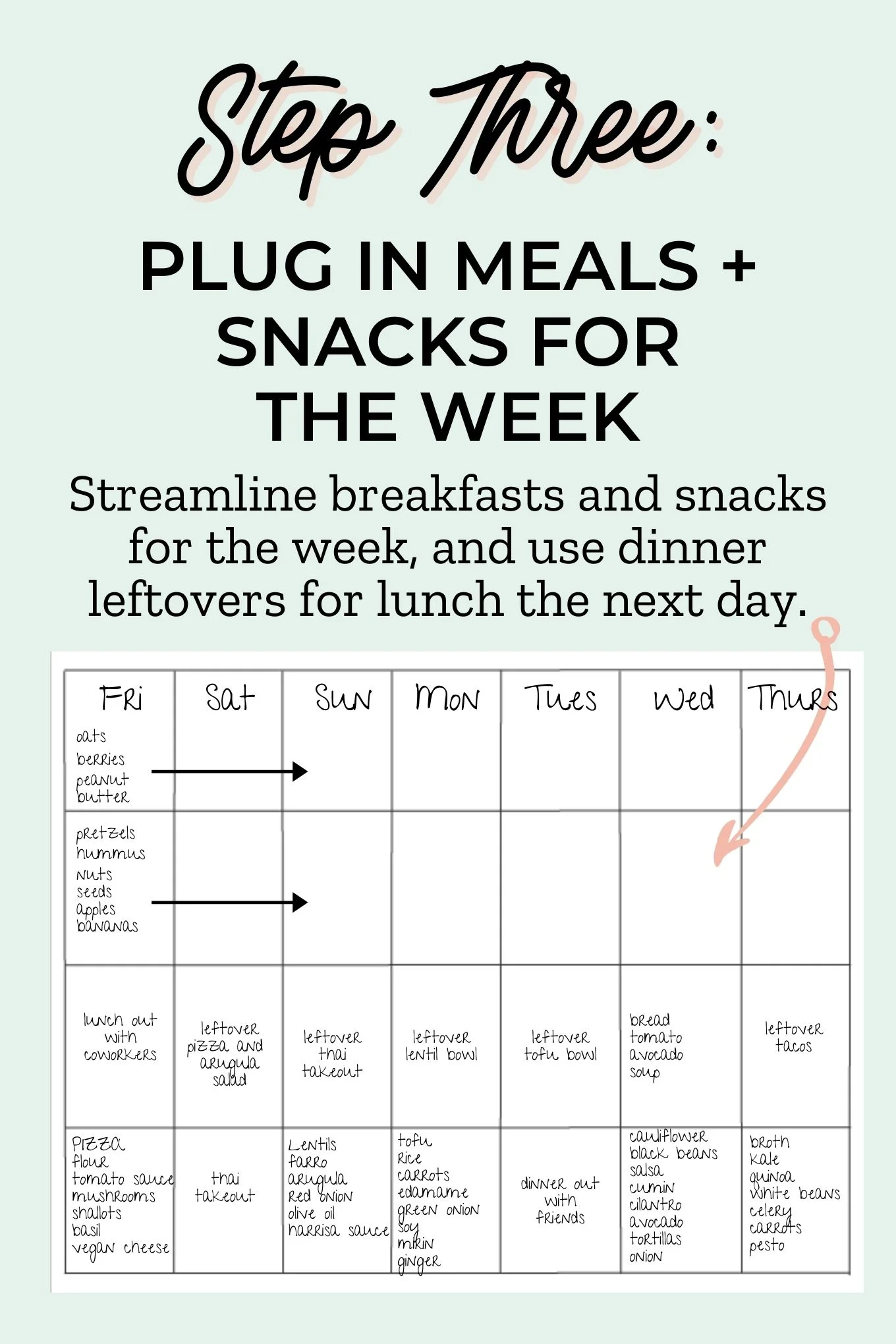
Without proper planning, meal prep can feel chaotic or repetitive. A balanced meal plan outlines what each dinner will include, helping avoid last-minute decisions or unhealthy choices. Consider variety across protein sources and vegetables to keep meals interesting. Plan for complementary flavors and nutritional diversity while keeping cooking techniques consistent to save time. Allocating a few minutes each week to design this plan can dramatically improve efficiency and satisfaction during mealtime.
Utilizing Seasonal and Budget-Friendly Ingredients
When ingredients are seasonal, they tend to be fresher, tastier, and more affordable. Incorporating these produce choices not only improves the quality of your meals but also supports sustainable eating habits. Budget constraints often discourage healthy eating, but focusing on in-season vegetables, legumes, and whole grains keeps costs manageable. Additionally, buying ingredients in bulk when possible and using them across several meals can prevent waste and save money over time.
Essential Tools and Kitchen Set-Up for Efficient Meal Prep
Must-Have Appliances and Gadgets
One barrier to quick meal prep is inefficient equipment. Appliances like a slow cooker, pressure cooker, or an air fryer can significantly cut down cooking times and effort. A sharp chef’s knife, quality cutting board, and food storage containers with airtight lids simplify preparation and storage. These tools help maintain speed and consistency, making the overall process less daunting. Investing in versatile gadgets pays off by multiplying your cooking options and reducing cleanup time.
Organizing Your Workspace to Maximize Speed
Even with the right appliances, clutter can slow you down. An organized kitchen setup ensures everything you need is within reach. Clearing countertops, grouping utensils by task, and arranging ingredients before cooking prevents interruptions. Establishing dedicated zones for chopping, cooking, and plating streamlines movement and reduces back-and-forth trips. This intentional layout turns meal prep into a more fluid experience and decreases the overall time spent in the kitchen.
Step-by-Step Guide to Meal Prepping Healthy Dinners
Batch Cooking Proteins: Techniques and Tips
Proteins often form the centerpiece of a healthy dinner but can be time-consuming to prepare fresh each night. Batch cooking, such as roasting chicken breasts or cooking a large pot of beans, provides ready-to-use protein for several meals. The key is to use cooking methods that retain moisture and flavor while allowing safe storage. Portioning proteins into grab-and-go containers ensures quick assembly later. Using marinades or spices during batch cooking can also add variety without extra effort.
Preparing Vegetables and Sides in Advance
Vegetables and sides usually require the most chopping and cooking time. Prepping these components beforehand by washing, slicing, or roasting can significantly reduce nightly work. Some vegetables maintain their texture and flavor well when stored raw, while others benefit from light cooking before refrigeration. Consider steaming grains or pre-cooking pasta to speed up meal assembly. Having these sides ready minimizes cooking time to just reheating or combining ingredients.
Smart Storage Solutions to Keep Meals Fresh
Meal prep’s success depends on keeping food fresh and safe throughout the week. Using airtight containers prevents moisture loss and contamination. Dividing meals into individual portions aids in reheating without waste. Labeling containers with contents and dates helps keep track of freshness and reduces the chance of eating spoiled food. Additionally, rotating meals during the week ensures older items are consumed first, maintaining meal quality and reducing food waste.
Time-Saving Hacks and Tips for Busy Individuals
Using One-Pot and Sheet Pan Recipes
One-pot and sheet pan meals cut down on cleanup and simplify cooking by combining ingredients in a single dish. The problem they solve is the multiple steps and utensils normally required in traditional cooking methods. These recipes often cook evenly and quickly, allowing you to focus on other tasks while the meal prepares itself. The convenience offered by these techniques makes them ideal for busy weeknights where time and energy are limited.
Freezing and Reheating Strategies Without Losing Flavor
Freezing meals is a common way to extend meal prep’s benefits, but it can lead to texture and flavor loss if done improperly. The solution lies in freezing meals soon after cooking and using airtight, freezer-safe containers to avoid freezer burn. Thawing meals gradually in the refrigerator and reheating gently helps preserve taste and nutrients. Incorporating fresh ingredients like herbs or a squeeze of citrus during reheating can revitalize dishes that have been frozen.
Incorporating Leftovers Creatively
Leftovers can feel repetitive or uninspiring, which discourages consistent meal prep. The challenge is turning them into appealing new meals without much extra work. Solutions include repurposing proteins into salads, wraps, or stir-fries that incorporate different sauces and fresh vegetables. This approach reduces waste while keeping dinners diverse and enjoyable. Creative use of leftovers also minimizes the effort needed for additional cooking on busy nights.
Sample Weekly Meal Prep Menu for Busy Weeknights
Healthy Dinner Ideas Ready in Under 30 Minutes
A sample menu might include dishes such as grilled chicken with quinoa and roasted vegetables, stir-fried tofu with brown rice and snap peas, or baked salmon with sweet potato wedges and steamed broccoli. These meals emphasize balance and can be partially or fully prepped in advance to fit within a 30-minute reheating or assembly window. Planning with timing in mind ensures that healthy dinners remain accessible even on the busiest nights.
Adjusting Portions and Ingredients for Family Preferences

Meal prep must accommodate the tastes and dietary needs of everyone involved. The pitfall is preparing meals that don’t suit certain family members, leading to wasted food or extra cooking. To avoid this, customize ingredient quantities and include optional add-ons like sauces or toppings. Offering choices or building meals that allow for mix-and-match components empowers family members to tailor their dinners while keeping prep time minimal. This flexibility enhances meal satisfaction and consistency.
Conclusion: Enjoying Stress-Free, Healthy Weeknight Dinners
Spending hours in the kitchen every night is not realistic for most busy individuals, but with thoughtful meal preparation, healthy dinners can be both quick and satisfying. The key is understanding common obstacles like time constraints and lack of organization, then applying strategies such as batch cooking, smart planning, and using efficient tools. By addressing these problems with practical solutions, you gain control over your weeknight meals without compromising nutrition or flavor. The payoff is a more relaxed evening routine and confidence in the food you eat, even on the busiest days.