Why Choose One-Pot Recipes for Family Dinners?
Benefits of One-Pot Meals
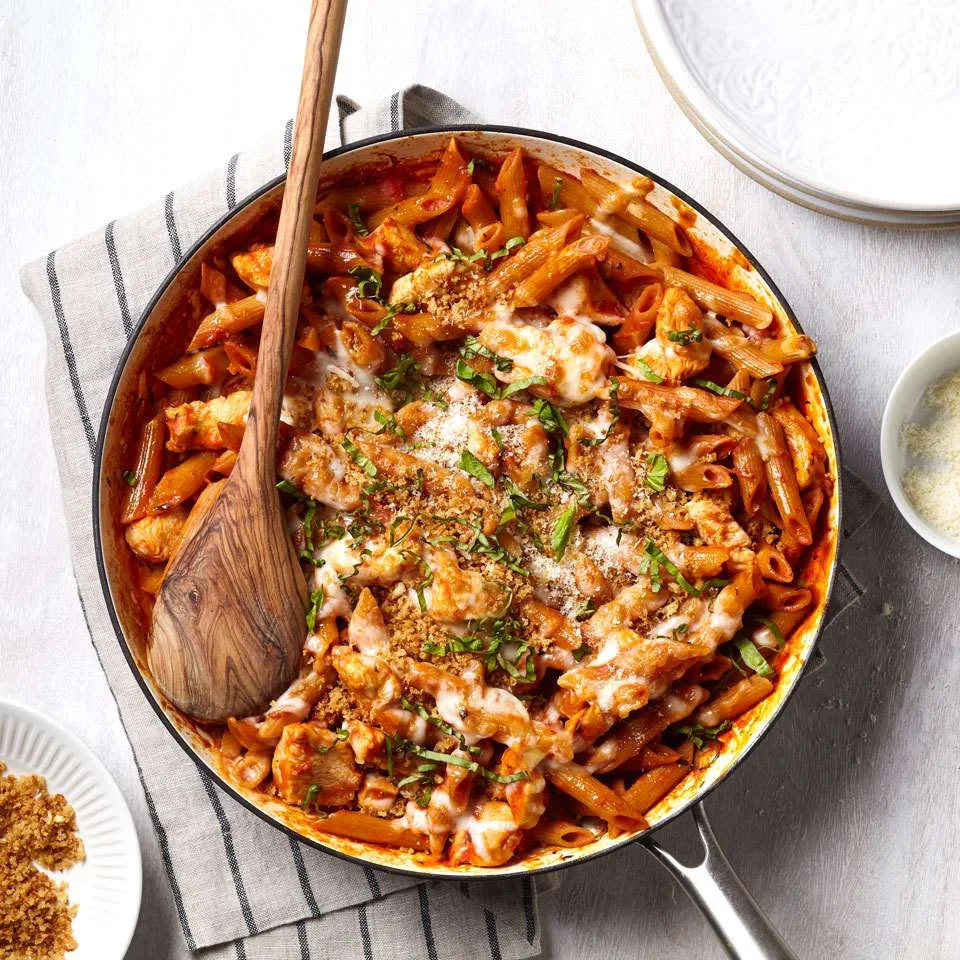
One-pot recipes offer a convenient solution for busy families looking to prepare wholesome meals without spending hours in the kitchen. By cooking everything in a single pot or pan, meal preparation becomes more straightforward, requiring less effort during both cooking and cleanup. This method allows flavors to meld together beautifully, enhancing the overall taste and making every bite satisfying. Additionally, one-pot meals are adaptable, easily accommodating different ingredients based on what’s available or preferred, which adds to their appeal for family dinners.
Cost-Effectiveness and Time Savings
One-pot meals also shine when it comes to budget-friendly cooking. Using fewer pots reduces water and energy consumption, indirectly saving money on utility bills. More importantly, these recipes often rely on cost-effective ingredients such as dried legumes, rice, and seasonal vegetables, which help stretch the grocery budget. The time saved by minimizing preparation and cleanup means families can enjoy dinner together sooner, making these meals perfect for busy weeknights when time and money are tight.
Essential Ingredients for Budget-Friendly One-Pot Recipes
Staple Pantry Items to Keep on Hand
Building a well-stocked pantry is key to effortlessly preparing one-pot meals. Staples like rice, pasta, beans, lentils, canned tomatoes, and broth form the foundation for many dishes and have long shelf lives, making them economical choices. Keeping a variety of dried herbs and spices such as garlic powder, cumin, paprika, and chili flakes allows for diverse flavor profiles without the need for expensive sauces or pre-made mixes. By having these essentials readily available, it becomes easier to create balanced and flavorful meals any night of the week.
Choosing Affordable Proteins and Vegetables
Selecting the right proteins and vegetables is crucial to maintain both nutrition and budget. Affordable proteins such as canned beans, lentils, eggs, and certain cuts of chicken or ground beef provide excellent nourishment without breaking the bank. When it comes to vegetables, opting for seasonal produce not only enhances taste but also reduces costs. Frozen vegetables can be a cost-effective alternative, offering convenience and nutritional value comparable to fresh options. By carefully balancing these ingredients, one-pot meals can be both satisfying and economically sensible.
7 Simple One-Pot Recipes Perfect for Nutritious Family Dinners
Hearty Lentil and Vegetable Stew
This stew combines lentils, carrots, potatoes, and greens simmered in vegetable broth with aromatic spices. It’s a filling, fiber-rich meal that’s perfect for cooler evenings. The lentils provide plant-based protein, while the vegetables add vitamins and minerals. Cooking everything together allows the flavors to deepen, making it a comforting dinner option for families.
Chicken and Rice Casserole
A classic favorite that is easy to prepare, this casserole blends chicken pieces with rice and a mix of vegetables like peas and carrots. The ingredients cook simultaneously, absorbing the broth and seasonings for a flavorful and tender result. It’s a complete meal that balances protein, carbs, and vegetables in a single dish.
One-Pot Pasta Primavera
Using a variety of fresh or frozen vegetables such as zucchini, bell peppers, and cherry tomatoes, this pasta dish is quick and vibrant. Cooking the pasta directly in the sauce reduces the need for extra dishes and ensures the flavors are well integrated. It’s an inviting way to incorporate more vegetables into your family’s dinner routine.
Beef and Bean Chili
Combining ground beef, kidney beans, tomatoes, and spices, this chili is hearty and packed with protein. It’s perfect for meal prepping and can be easily adjusted in spice level to suit the family’s taste. The one-pot method lets the ingredients meld together to create a rich, satisfying dish.
Vegetable Curry with Coconut Milk
This curry features a medley of vegetables simmered in coconut milk with curry powder and ginger. It’s a creamy, nutritious meal rich in vitamins and healthy fats. Serving it with rice makes it a filling dinner that the whole family can enjoy.
Mexican Quinoa and Black Bean Skillet
Quinoa and black beans combine in this one-pot skillet along with corn, tomatoes, and spices. It’s a protein-packed, gluten-free option that is colorful and flavorful. This recipe offers a great way to include whole grains and legumes in one convenient dish.
Seafood Paella in a Single Pan
This simplified paella brings together rice, shrimp, mussels, and peas with saffron and other spices. It’s a festive meal that doesn’t require multiple pots but still delivers complex flavors. Seafood provides lean protein and essential nutrients, making this dish both elegant and nutritious.
Tips to Maximize Nutrition in One-Pot Meals
Incorporating a Variety of Food Groups
To ensure one-pot meals deliver balanced nutrition, it’s important to include ingredients from multiple food groups. Combining proteins with vegetables and whole grains in a single dish helps cover essential macronutrients and micronutrients. For instance, pairing beans or meat with a variety of colorful vegetables improves vitamin intake, while whole grains boost fiber. Thoughtful ingredient choices help make each meal complete and nourishing.
Using Spices and Herbs for Health Benefits
Beyond flavor, many spices and herbs provide significant health advantages. Turmeric and ginger have anti-inflammatory properties, while garlic and oregano can support immune function. Incorporating these ingredients into one-pot recipes enhances both taste and wellness. Utilizing fresh herbs when available can also add vitamins and antioxidants to the meal, making every dish a boost for family health.
How to Plan Weekly Menus Using One-Pot Recipes
Shopping Lists and Meal Prep Strategies
Planning ahead is essential for successfully incorporating one-pot meals into family dinners throughout the week. Creating a shopping list based on selected recipes ensures all ingredients are on hand and reduces last-minute trips to the store. Preparing some ingredients in advance, such as chopping vegetables or soaking beans, can accelerate cooking times on busy nights. Batch cooking larger portions also enables leftovers to be enjoyed, further saving time and effort.
Adapting Recipes for Dietary Preferences
One-pot recipes are versatile and can be tailored to accommodate different dietary needs. For vegetarian or vegan families, animal proteins can be swapped with beans, lentils, or tofu. Gluten-free adaptations might involve substituting traditional pasta with gluten-free varieties or using quinoa instead of rice. Adjusting seasonings and ingredients allows everyone at the table to enjoy healthy, delicious meals without compromise.