Introduction to Dutch Oven Slow-Cooking
What Makes Dutch Ovens Ideal for Braising?
When Jamie decided to prepare a Sunday dinner for her family, she reached for her trusty Dutch oven, knowing it would deliver a melt-in-the-mouth result. Dutch ovens excel in slow-cooking because their thick walls distribute heat evenly and retain it for extended periods. This steady, gentle heat is exactly what braising demands, allowing tough cuts of meat to become tender without drying out. Unlike thin pots that create hot spots, the Dutch oven wraps ingredients in a consistent warmth that encourages rich flavors to develop naturally.
The Science Behind Tender Braises
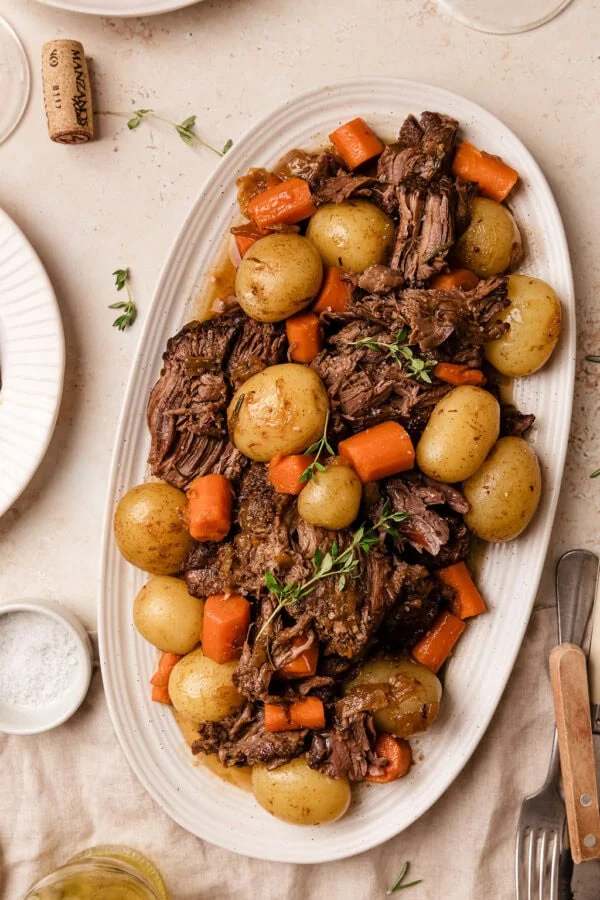
Braising is a cooking technique that uses both moist and dry heat. Initially, the meat is seared at high temperatures to develop a flavorful crust through the Maillard reaction. Then, it simmers slowly in a covered pot with a small amount of liquid. This process breaks down collagen in tougher cuts into gelatin, resulting in a luscious texture that practically falls apart with a fork. Using a Dutch oven ensures the temperature remains stable, crucial for this transformation to occur without the meat turning tough or dry.
Choosing the Right Dutch Oven for Slow-Cooking
Material Matters: Cast Iron vs. Enameled
When Marcus started investing in cookware, he was torn between a traditional cast iron Dutch oven and an enameled one. Plain cast iron is prized for its unparalleled heat retention and durability but requires seasoning to maintain a non-stick surface and prevent rust. On the other hand, enameled Dutch ovens come with a porcelain coating that resists rust and offers easier cleanup. Although they may not hold heat quite as long, their non-reactive surface is perfect for acidic braises like tomato-based stews.
Size and Shape Considerations
Choosing the right size Dutch oven can be a game-changer. For a family of four, an 5-6 quart pot is typically enough to braise a hearty meal without overcrowding, which can prevent even cooking. Shape matters too—round Dutch ovens are classic and versatile, fitting well in most ovens, but oval ones are better suited for longer cuts of meat like brisket. In Ava’s experience, matching the pot size to the amount of food ensures the heat circulates properly, resulting in tender, uniformly cooked dishes.
Preparing Your Ingredients for Braising
Best Cuts of Meat for Tender Braises
John learned early that the cheapest cuts can make the most delicious braises. Cuts like chuck roast, short ribs, or pork shoulder contain enough fat and connective tissue to break down slowly, enriching the dish. These tougher pieces paradoxically benefit the most from slow cooking, becoming buttery soft. Conversely, lean meats like tenderloin tend to dry out with prolonged heat, so selecting the right cut is key to a successful braise.
Prepping Vegetables and Aromatics
Before Sarah placed her beef stew into the Dutch oven, she carefully chopped onions, carrots, and celery into uniform pieces. This trio, often called mirepoix, is essential in building depth in braises. Adding fresh herbs like thyme or bay leaves enhances the complexity of flavors. It’s important to sauté these vegetables first to caramelize their natural sugars, creating a richer base. Neglecting this step can result in a flat taste, underscoring how preparation impacts the final dish.
Step-by-Step Guide to Braising in a Dutch Oven
Searing Meat Properly
Mark’s first attempt at braising resulted in a dull stew, but he quickly realized the importance of proper searing. Heating the Dutch oven until very hot before adding a little oil ensures the meat forms a golden crust. This not only locks in juices but also adds a complex, roasted flavor. Searing in batches, without overcrowding, prevents steaming and helps each piece develop that coveted crust.
Building Flavor with Liquids and Herbs
Choosing the right braising liquid is just as important as the meat itself. Wine, broth, beer, or even a combination can add nuanced tastes and aromas. For instance, Emma found that red wine and beef broth create a robust, savory profile perfect for classic dishes, while chicken broth and white wine work well for lighter meats. Adding herbs early on allows their oils to infuse the cooking liquid, harmonizing the flavors as they slowly simmer.
Maintaining the Perfect Low Temperature
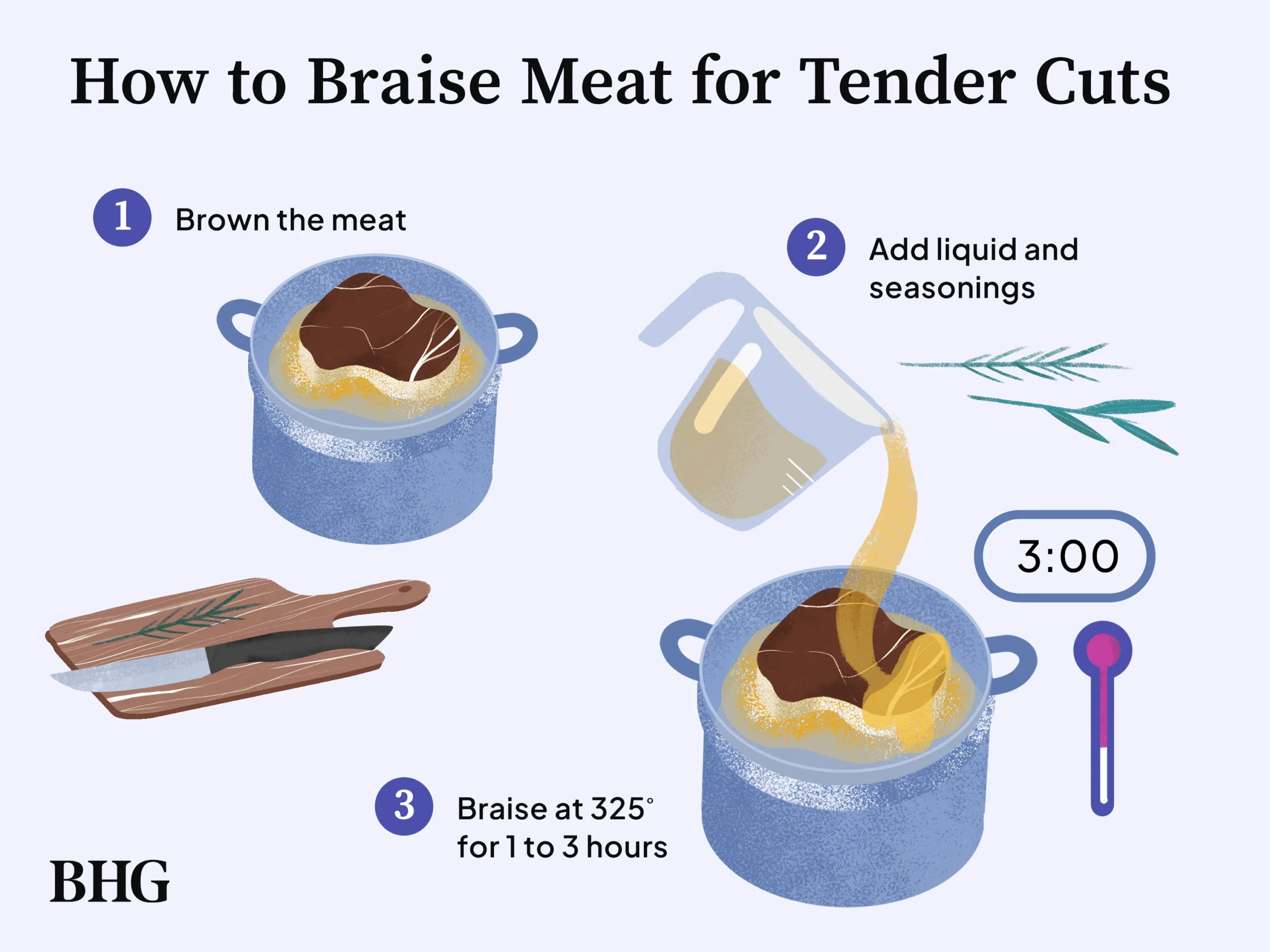
Slow and steady wins the race when braising. Luke learned the hard way that too high a heat can toughen meat and evaporate the liquid prematurely. After bringing the pot to a simmer on the stovetop, transfer the Dutch oven to a low oven or reduce stove heat to a gentle simmer. Maintaining a temperature just below boiling ensures the collagen melts gradually, leaving a tender and juicy result. Patience and controlled heat are the secret ingredients.
Tips and Tricks for Perfect Slow-Cooked Braises
Common Mistakes to Avoid
One common pitfall is rushing the process. Rachael found that lifting the lid frequently to check can lower the temperature and lengthen cooking time unnecessarily. Another mistake is adding too much liquid; the braise should barely cover the meat to concentrate flavors. Underseasoning at the start can also dull the dish, so don’t hesitate to taste and adjust seasoning near the end of cooking.
Enhancing Flavor with Finishing Touches
Finishing a braise involves subtle touches that elevate the dish. Adding fresh herbs or a splash of acid, such as vinegar or lemon juice, brightens the rich flavors. Jimmy likes to swirl in a knob of butter just before serving, lending a glossy sheen and smooth mouthfeel. Garnishes like chopped parsley or sautéed mushrooms also add texture and visual appeal, turning a home-cooked meal into a comforting feast.
Creative Dutch Oven Braising Recipes to Try
Classic Beef Bourguignon
In Julia’s kitchen, the smell of slow-braised beef simmering in red wine and herbs always signals comfort. This French classic involves searing chunks of beef, then slowly cooking them with pearl onions, mushrooms, and bacon in Burgundy wine. The long cook tenderizes the meat and thickens the sauce, creating a rich dish that pairs wonderfully with mashed potatoes or crusty bread.
Moroccan Lamb Tagine Twist
Inspired by North African flavors, Alex adapted his Dutch oven for a Moroccan lamb tagine twist. Using traditional spices like cumin, cinnamon, and coriander, he slow-cooked lamb shoulder with dried apricots, tomatoes, and chickpeas. The gradual braise melded sweet and savory notes perfectly, turning a humble cut into an exotic, tender feast that impressed his dinner guests.
Cleaning and Maintaining Your Dutch Oven
Long-Term Care for Cast Iron
After dinner, Maria always cleans her cast iron Dutch oven carefully. She avoids soap, which can strip seasoning, and instead scrubs with hot water and a brush. Drying immediately and applying a thin layer of oil prevents rust. Periodic reseasoning in the oven helps maintain the non-stick surface and longevity. Proper care ensures the pot will serve many more slow-cooked meals.
Preserving the Enameled Coating
Tom prefers enameled Dutch ovens for their easy cleanup but knows to avoid metal utensils that chip the coating. Mild detergents and soft sponges keep the porcelain intact. He also avoids thermal shock—never immersing a hot pot in cold water—to prevent cracking. With gentle maintenance, the vibrant enamel remains gorgeous and functional for years of slow-cooking adventures.