Understanding the Science Behind Crispy Roast Chicken Skin
How Skin Texture Changes During Roasting
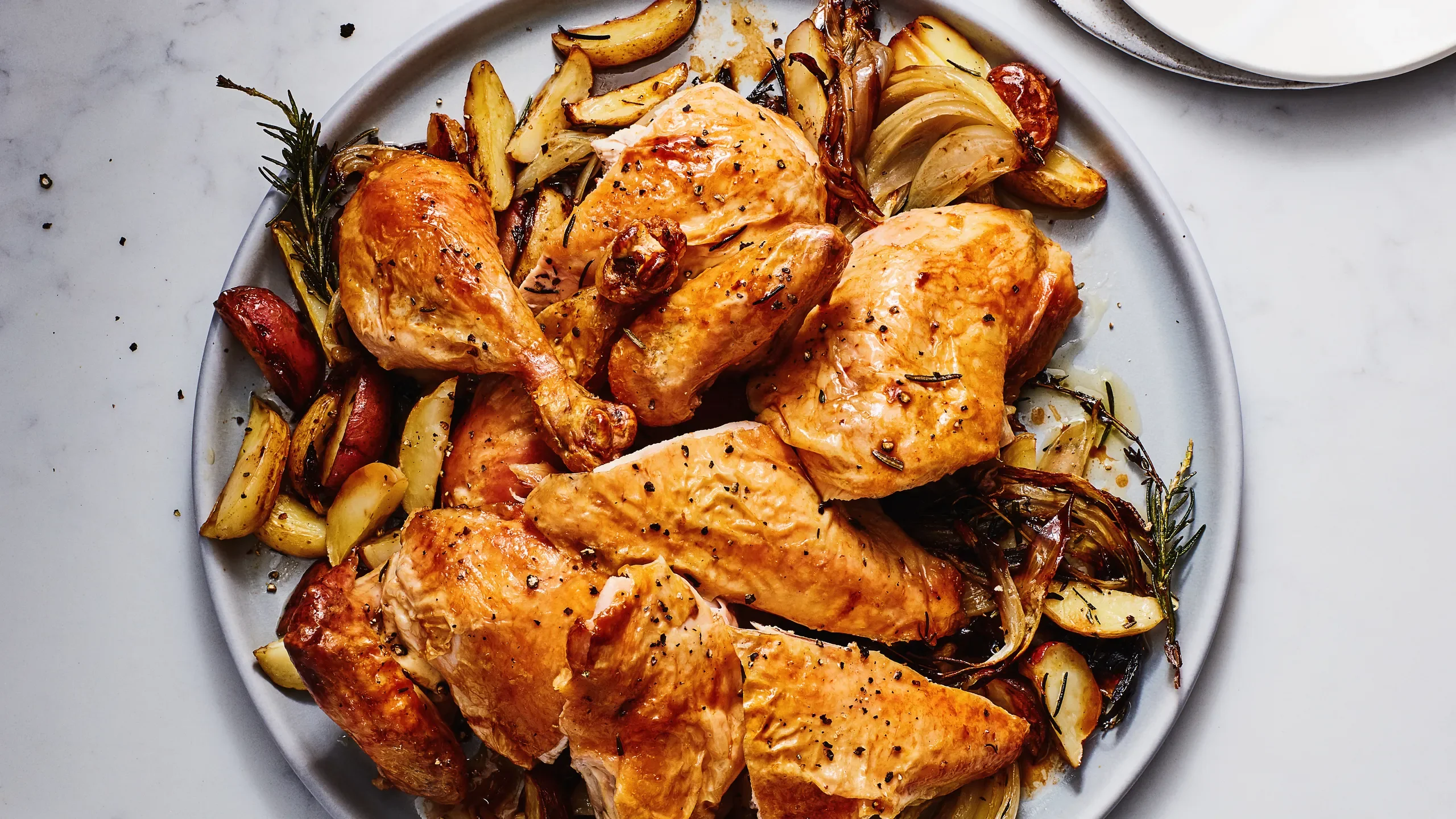
When you roast a chicken, the skin undergoes a fascinating transformation. Initially soft and pliable, the heat causes the fat beneath the skin to render out. This process tightens the skin, making it taut and eventually crispy. Imagine placing a damp cloth near a gentle fire; as moisture evaporates, it stiffens and crisps. The same principle applies to chicken skin—it loses moisture and firm fats create that sought-after crunch.
The Role of Moisture in Skin Crispiness
Moisture is the key player in this transformation. If the skin retains too much moisture, it steams rather than crisps, leading to rubbery or soggy texture. This is why drying the skin before cooking is critical. Many home cooks have shared stories of ending up with limp skin because they skipped the drying step. Balancing moisture is essential: enough to keep the meat juicy underneath, but dry enough on the surface to become perfectly crispy.
Preparing Your Chicken for Maximum Crispiness
Choosing the Right Chicken
Beyond technique, the starting ingredient matters. Fresh, high-quality chicken with intact skin provides a better canvas for crispiness. Look for birds with skin that feels firm and slightly dry, not slimy. Free-range or organic chickens often have a thicker skin which crisps up nicely. For example, a local farmer’s market chicken might outperform supermarket options in both flavor and texture.
Effective Drying Techniques Before Roasting
One practical approach is to pat the chicken skin dry thoroughly with paper towels and then leave it uncovered in the refrigerator for several hours, or even overnight. This air-drying step dehydrates the skin surface, which directly enables crisping during roasting. Home cooks have shared how this simple fridge trick made a visible difference in making their roast chicken skin crackle delightfully without drying out the meat inside.
The Best Seasoning Methods for Skin Texture
Seasoning isn’t just about flavor; it affects skin texture as well. Coarse salt, in particular, draws additional moisture out from the skin as it sits before cooking. Light seasoning ensures the skin doesn’t become soggy. Avoid applying wet marinades or sauces before roasting as these introduce excess moisture, negating your efforts to crisp up the skin. Instead, season just before roasting or after drying to maintain that ideal surface.
Cooking Techniques to Achieve Crispy Skin
Optimal Oven Temperature Settings
Temperature control is where many cooks struggle. Starting roast chicken at a higher temperature (around 425°F or 220°C) encourages fat to render quickly and crisp the skin. However, if left too long at high heat, the meat risks drying out. A popular strategy is to begin roasting at this high temperature for 15-20 minutes, then reduce to around 350°F (175°C) to finish cooking gently. This technique creates the perfect balance: crackling skin with moist, tender meat.
The Importance of Air Circulation and Cooking Racks

Placing your chicken on a roasting rack elevates it, allowing hot air to circulate around the entire bird. This avoids steam buildup that dampens the skin, a common problem when roasting chicken directly in a pan. In one real example, a home cook swapped their baking sheet for a wire rack and noted how the bottom skin, previously soggy, came out just as crispy as the top. Good air circulation is a small tweak with big payoff.
When and How to Use Butter or Oil for Crispiness
Fat helps conduct heat and adds flavor, but timing matters. Rubbing butter or oil directly on the skin before roasting can improve crispiness by aiding browning. Some chefs prefer starting with oil to coat the skin evenly, then brushing melting butter during the last 10 minutes of cooking for added richness without burning. Applying fats too early or in excess, however, can cause flare-ups or greasy texture, so moderation is key.
Advanced Tips from Professional Chefs
Using Salt and Other Dry Brines
Professional chefs often rely on dry brining, salting the chicken and refrigerating it uncovered for 12 to 24 hours before cooking. Salt draws out moisture from the skin, which then reabsorbs into the meat, seasoning it deeply while leaving the skin primed for crisping. A chef once explained that this technique acts like a dual action: the skin dries and crisps, and the meat stays juicy and flavorful. Incorporating herbs or spices into the dry brine takes this a step further, marrying crisp texture with savory depth.
Leveraging High-Heat Finishing Techniques
Finishing the roast chicken under a broiler or with a quick blast of high heat can add final crispiness to skin that developed some moisture during cooking. This method requires close monitoring to avoid burning. An experienced home cook shared how they initially roasted their bird slowly, then used a 5-minute broil at the end to revive the skin’s crunch, achieving restaurant-quality results at home.
Common Mistakes That Cause Dry Meat Instead of Crispy Skin
Overcooking and How to Avoid It
One of the biggest pitfalls is overcooking the chicken in pursuit of crispy skin. Overexposure to heat dries out the meat, turning it tough and unappealing. Using a meat thermometer to pull the chicken at the correct internal temperature (165°F or 74°C) ensures juiciness. Many cooks recount how relying on visual cues alone led to dry breast meat despite beautiful skin, underscoring the value of temperature checks.
Significance of Resting Time After Roasting
Resting the roast chicken after cooking is crucial yet often overlooked. Allowing the bird to rest for 10-15 minutes lets juices redistribute throughout the meat, preventing dryness when carved. Additionally, resting helps the skin retain its crispness, as cutting immediately into hot chicken can cause steam that softens the surface. Experienced roasters treat resting as an essential final step to ensure both crispy skin and moist meat.