Understanding Natural Preservatives in Skincare
What Are Natural Preservatives?
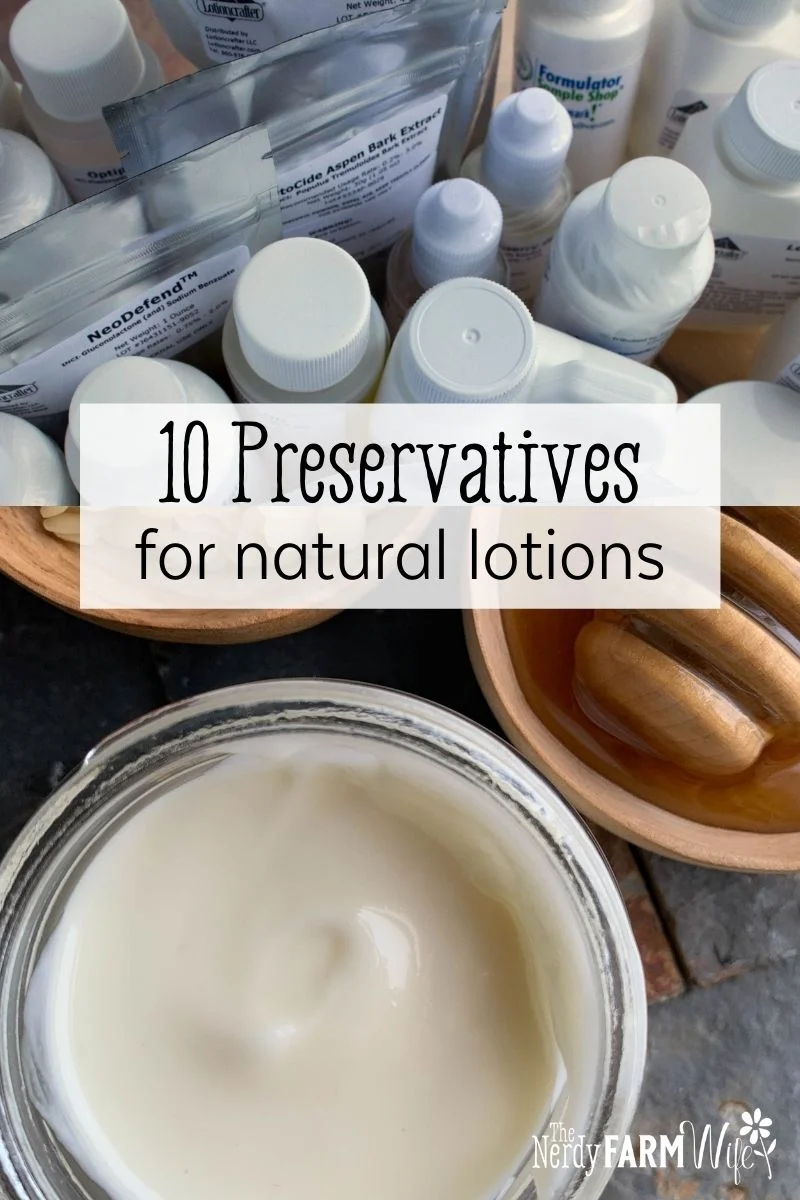
Natural preservatives are substances derived from plants, minerals, or microorganisms that help extend the shelf life of skincare products by preventing the growth of bacteria, mold, and yeast. Unlike synthetic preservatives, which are chemically produced, natural preservatives rely on the inherent antimicrobial and antioxidant properties found in nature. These ingredients are essential when making homemade skincare products because they keep your creations safe to use without compromising your preference for clean, gentle components.
Why Use Natural Over Synthetic Preservatives?
There’s growing concern among skincare enthusiasts about the potential irritation and long-term effects of synthetic preservatives. Many synthetic options, while effective, can cause allergic reactions or disrupt the skin’s natural barrier. Natural preservatives appeal to those who prioritize holistic health and sustainability. They align with the clean beauty movement, offering a more skin-friendly and environmentally conscious choice. Additionally, natural preservatives often contribute beneficial properties beyond preservation, such as soothing or antioxidant effects.
Types of Natural Preservatives for Homemade Skincare
Plant-Based Preservatives
Plant extracts like rosemary, neem, and grapefruit seed extract are popular for their antimicrobial qualities. They not only help inhibit microbial growth but also deliver antioxidants that protect the product from oxidation. These extracts are widely accessible and easy to incorporate, making them perfect for DIY enthusiasts. However, their potency can vary depending on the extraction method and storage conditions, so it’s important to source high-quality versions.
Essential Oils as Preservatives
Essential oils such as tea tree, lavender, and thyme have natural antibacterial and antifungal properties, which make them excellent candidates for preserving homemade skincare. Besides preservation, their aromatic profiles add a sensory experience that enhances the product. Careful attention is necessary since essential oils can cause sensitivity if overused or improperly diluted. Balancing their antimicrobial effectiveness with skin safety is key.
Antioxidants and Enzymes
Some natural preservatives work by protecting products from oxidation rather than killing microbes. Ingredients like vitamin E (tocopherol) and enzymes derived from fruits serve as antioxidants, preventing rancidity of oils and fats in formulations. While they don’t replace antimicrobial preservatives, they complement them by enhancing overall product stability and freshness. Using these alongside antimicrobial agents creates a stronger preservation system.
Key Criteria for Selecting the Best Natural Preservatives
Effectiveness Against Microbial Growth
The primary role of any preservative is to stop harmful microorganisms from multiplying in your skincare product. Effectiveness varies widely among natural options. It’s essential to choose preservatives proven to prevent both bacteria and fungi, as many natural substances are selective in their antimicrobial action. Testing or relying on reputable sources can guide you to ingredients that deliver broad-spectrum protection.
Safety and Skin Compatibility
What’s natural isn’t always gentle. Some plant extracts or essential oils can irritate sensitive skin or trigger allergic reactions. Before finalizing your choice, consider skin compatibility, especially if your homemade products will be used on delicate areas like the face. Patch testing and starting with low concentrations are wise. Also, read ingredient guidelines to avoid known irritants and allergens.
Stability and Shelf Life Extension
Natural preservatives contribute to the longevity of your skincare products, but their stability can be influenced by factors like pH, temperature, and light exposure. Some natural options are more volatile or degrade quickly in certain formulations. Selecting preservatives that remain stable over time within your specific product environment ensures consistent protection and quality. Understanding these nuances helps avoid premature spoilage.
Step-by-Step Guide to Choosing Preservatives
Evaluating Your Skincare Product Ingredients
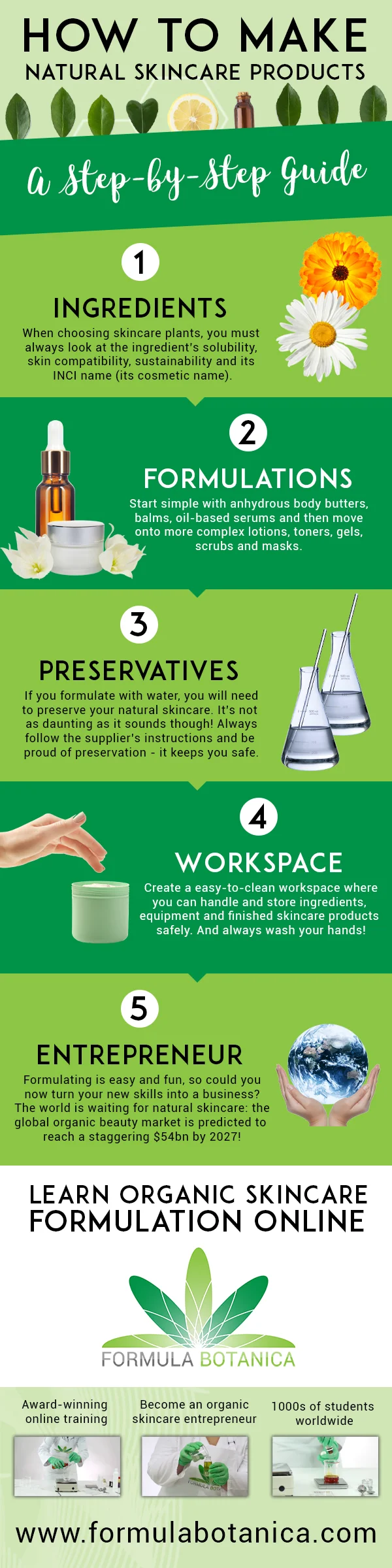
Begin by examining your recipe’s ingredients: Are you using water-based formulas, oils, or emulsions? Water-rich products like lotions are more prone to microbial growth and need stronger preservation. Conversely, oil-based products with little to no water content might require minimal or different types of preservatives. Recognizing your product’s composition is the foundation for selecting appropriate natural preservatives.
Understanding Your Product’s pH and Its Impact
pH plays a crucial role in preservative performance. Many natural preservatives work best within a specific pH range, often slightly acidic. Testing the pH of your formulation helps ensure the preservative remains effective. Adjusting the pH, if necessary, through natural acids like citric acid or lactic acid not only optimizes preservation but can also benefit skin compatibility. This step is often overlooked but greatly influences product safety.
Matching Preservatives to Product Formulation
Once you know your product type and pH, match your preservatives accordingly. For example, grapefruit seed extract works well in water-based preparations, while antioxidants like vitamin E are suitable for oil-heavy products. Sometimes, combining different natural preservatives can improve overall effectiveness, creating a synergistic effect that enhances product safety. Take your time to research combinations that align with your formula.
Practical Tips for Using Natural Preservatives
Recommended Dosages and Mixing Techniques
Natural preservatives require precise dosing to be effective without compromising skin tolerance. Overuse can cause irritation, while underuse fails to protect. Follow supplier recommendations and start with minimal effective amounts. When incorporating preservatives, blend them thoroughly with other oil or water phases depending on solubility to ensure even distribution. Gentle heating might be necessary but avoid excessive temperatures that can degrade sensitive ingredients.
Storage Conditions to Maximize Shelf Life
Even with the right preservatives, storage conditions significantly affect product longevity. Keep your homemade skincare away from direct sunlight, heat, and moisture to prevent breakdown of both the preservative and the product itself. Using opaque or amber containers reduces light exposure. Refrigeration can further extend shelf life, especially for more fragile, natural formulations. Educating yourself on proper storage guarantees your efforts are rewarded with safe, lasting skincare.
Common Challenges and How to Overcome Them
Dealing with Contamination Risks
Contamination is one of the biggest threats when making homemade skincare. Using unsterilized equipment or poor hygiene can introduce harmful microbes. Incorporating natural preservatives helps, but it’s not a substitute for good manufacturing practices. Always sanitize your tools, work areas, and containers. Educate users on proper product usage, such as avoiding double-dipping fingers, to maintain product integrity after opening.
Balancing Preservation and Natural Claims
One tricky aspect of creating natural skincare is balancing effective preservation with maintaining a “natural” label. Some powerful preservatives might not fit strict natural definitions, while gentler options may offer limited protection. Transparency about ingredient choices and understanding your audience’s priorities can help. Sometimes blending smaller amounts of synthetic-safe preservatives with natural ones is acceptable for safety. The key is prioritizing user safety without compromising your product’s identity.
Additional Resources and Tools
Where to Source Quality Natural Preservatives
Finding reliable suppliers is critical for consistent results. Look for vendors specializing in cosmetic-grade, organic, or wildcrafted natural preservatives. Many offer detailed product specifications and usage guidelines. Specialty ingredient stores online often provide smaller quantities suitable for homemade formulations. Checking reviews and certifications can also ensure you’re investing in quality materials that live up to their natural claims.
Testing Kits for Preservative Effectiveness
To confidently choose and validate your preservative system, consider using home testing kits. These kits allow you to monitor microbial contamination and measure preservative efficacy over time. Understanding how your product behaves in real conditions helps adjust preservatives or storage practices. While lab testing is ideal, DIY kits are a practical tool for small-batch makers aiming to ensure safety continuously.