Introduction to Essential Oils in DIY Beauty
Understanding Essential Oils and Their Benefits
Imagine crafting your own skincare products at home, blending the natural fragrances and therapeutic properties of essential oils. Essential oils are concentrated plant extracts known for their aromatic and healing qualities. Lavender calms the skin, tea tree fights acne, and rose promotes hydration—all naturally sourced. These oils, when used thoughtfully, can elevate your beauty routine with benefits tailored to your needs.
Why Safety Matters When Using Essential Oils
However, the power of essential oils also comes with risks. They are potent and can cause irritation, allergic reactions, or even toxicity if misused. Sarah, a DIY enthusiast, once rushed into adding undiluted peppermint oil to her facial cream and experienced severe redness. Her experience underscores why understanding safe use isn’t optional; it’s essential for protecting your skin’s health and enjoying the full benefits of these oils.
Preparation Before Using Essential Oils
Choosing the Right Essential Oils for Your Skin Type
Before diving into blending, know your skin type. For dry skin, oils like chamomile or geranium are soothing and hydrating. Oily and acne-prone skin responds well to tea tree or eucalyptus which help balance oil production. Sensitive skin demands caution; avoid citrus oils that might irritate and lean towards gentle options like lavender. Emma found that switching to jojoba oil and lavender calmed her rosacea flare-ups, proving that the right choice makes a huge difference.
Gathering Proper Tools and Ingredients
Begin with clean, sterile droppers, glass bottles, measuring spoons, and carrier oils like almond or coconut oil. Avoid plastics that can degrade or react with essential oils. Having the right tools ensures precision and prevents contamination—crucial when dealing with highly concentrated substances.
Testing for Allergies and Sensitivities
Perform a patch test before applying any new blend. Apply a small diluted amount on your wrist or behind your ear and wait 24 hours. This simple step saved James from a full-face rash after an allergic reaction to cinnamon bark oil in his first attempt at making a lip balm.
Safe Dilution and Application Techniques
How to Dilute Essential Oils Correctly
Essential oils should never be applied directly onto the skin without dilution. The general guideline is 1-2% concentration for facial products, which means around 6-12 drops of essential oil per ounce (30 ml) of carrier oil. For stronger applications like spot treatments, a 3% dilution is acceptable but should still be approached carefully. Dilution reduces the risk of irritation while maintaining therapeutic effects.
Carrier Oils: Selection and Usage
Carrier oils act as a gentle base and help distribute essential oils evenly across the skin. Each carrier oil offers unique benefits: argan oil is rich in vitamin E, coconut oil offers deep moisturization, and jojoba oil closely mimics natural skin oils. Selecting a carrier oil compatible with your skin type is key—Sophie experienced breakouts after using coconut oil but had great results switching to grapeseed oil.
Methods of Applying Essential Oils in Beauty Recipes
Depending on your recipe, essential oils can be added to lotions, serums, scrubs, or bath salts. Always mix thoroughly and apply small amounts first. Gentle massage helps absorption, but avoid sensitive areas like eyes and mucous membranes. For example, when making a facial serum, applying a few drops onto fingertips and gently pressing onto clean skin ensures even distribution.
Creating Your First DIY Essential Oil Beauty Recipe
Simple Recipes for Beginners
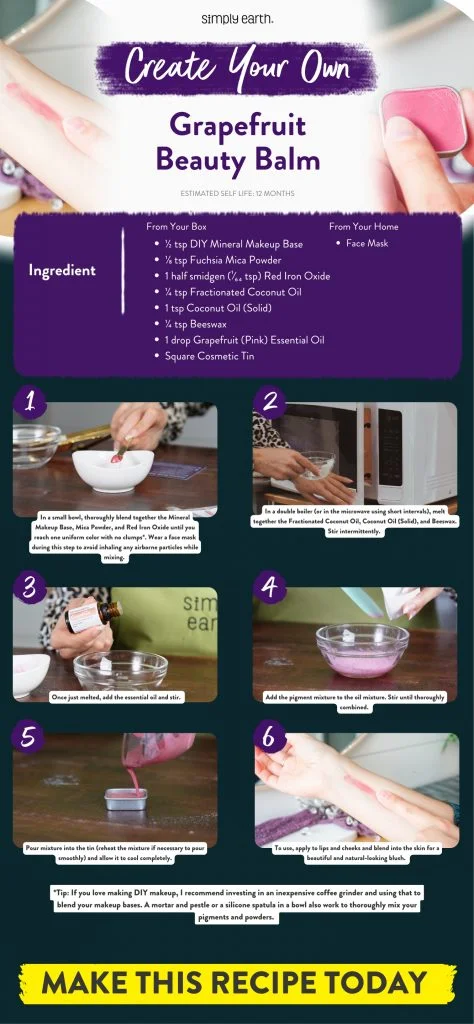
Starting simple builds confidence. A basic calming facial serum might blend 10 ml jojoba oil with 4 drops lavender and 2 drops frankincense. For an invigorating body scrub, mix sugar, coconut oil, and a few drops of peppermint oil. These straightforward recipes provide a great introduction to combining oils effectively.
Step-by-Step Instructions and Tips
Begin by sanitizing your workspace and tools. Measure your carrier oil first, then add essential oils drop by drop, counting to avoid overuse. Stir gently to blend. Store your creation in a dark glass container to preserve potency. Always label your products with ingredients and date created. Tammy found that labeling helped her keep track of potency over time and avoided accidental use of expired blends.
Common Safety Precautions
Avoiding Photosensitivity and Toxic Oils
Certain essential oils like bergamot, lemon, and other citrus varieties can cause photosensitivity, making your skin more prone to sun damage. Applying these oils before sun exposure can lead to burns or pigmentation. Also, some oils such as wintergreen or pennyroyal are toxic and should be avoided in skincare recipes. Understanding these hazards is critical in preventing harm.
Storage and Shelf Life of Essential Oil Blends
Proper storage extends the life and effectiveness of your blends. Keep oils away from heat, sunlight, and air by storing them in dark glass bottles with tight lids. Most DIY blends last 6 months to a year, depending on ingredients. Using fresh ingredients means you get the best benefits and reduces the risk of oxidation or rancidity.
Advanced Tips for Experienced Users
Customizing Recipes Based on Skin Needs
Once comfortable with basics, experienced users can tailor blends to target specific concerns. For example, adding chamomile for redness, or sandalwood for anti-aging properties. Tracking individual responses over time helps refine formulations to maximize results.
Incorporating Essential Oils into Various Beauty Products
Beyond simple serums or scrubs, essential oils can be incorporated into lotions, hair care, and bath products. Adjusting dilution ratios and considering product pH are important when working with complex formulations. Lisa, a hobbyist who advanced her skills, learned to blend oils within emulsions without compromising stability, enhancing her product range.
Conclusion
Summary of Safe Practices
Using essential oils in DIY beauty recipes offers a rewarding way to personalize your skincare, but safety cannot be overlooked. Choosing suitable oils, performing patch tests, diluting correctly, and storing wisely are foundational steps. Awareness of photosensitivity and toxic oils further protects your skin and health.
Encouragement to Experiment Responsibly
Embrace the journey of experimenting with essential oils, but do so with respect and care. Small, mindful steps ensure you enjoy the natural benefits without adverse effects. Let your creativity flow, and remember that well-informed choices make your DIY beauty routine both safe and effective.