The Historical Roots of Street Food in Southeast Asia
Ancient Trade Routes and Culinary Exchange
The culinary landscape of Southeast Asia is as rich and complex as its history, shaped in large part by ancient trade routes that connected diverse cultures. Long before the rise of modern nations, traders from India, China, the Middle East, and beyond sailed across seas and traversed land paths, bringing with them spices, cooking techniques, and ingredients that would find new homes in local kitchens. These exchanges laid the foundation for the street food tradition that thrives today, where vibrant flavors tell the story of centuries of interaction.
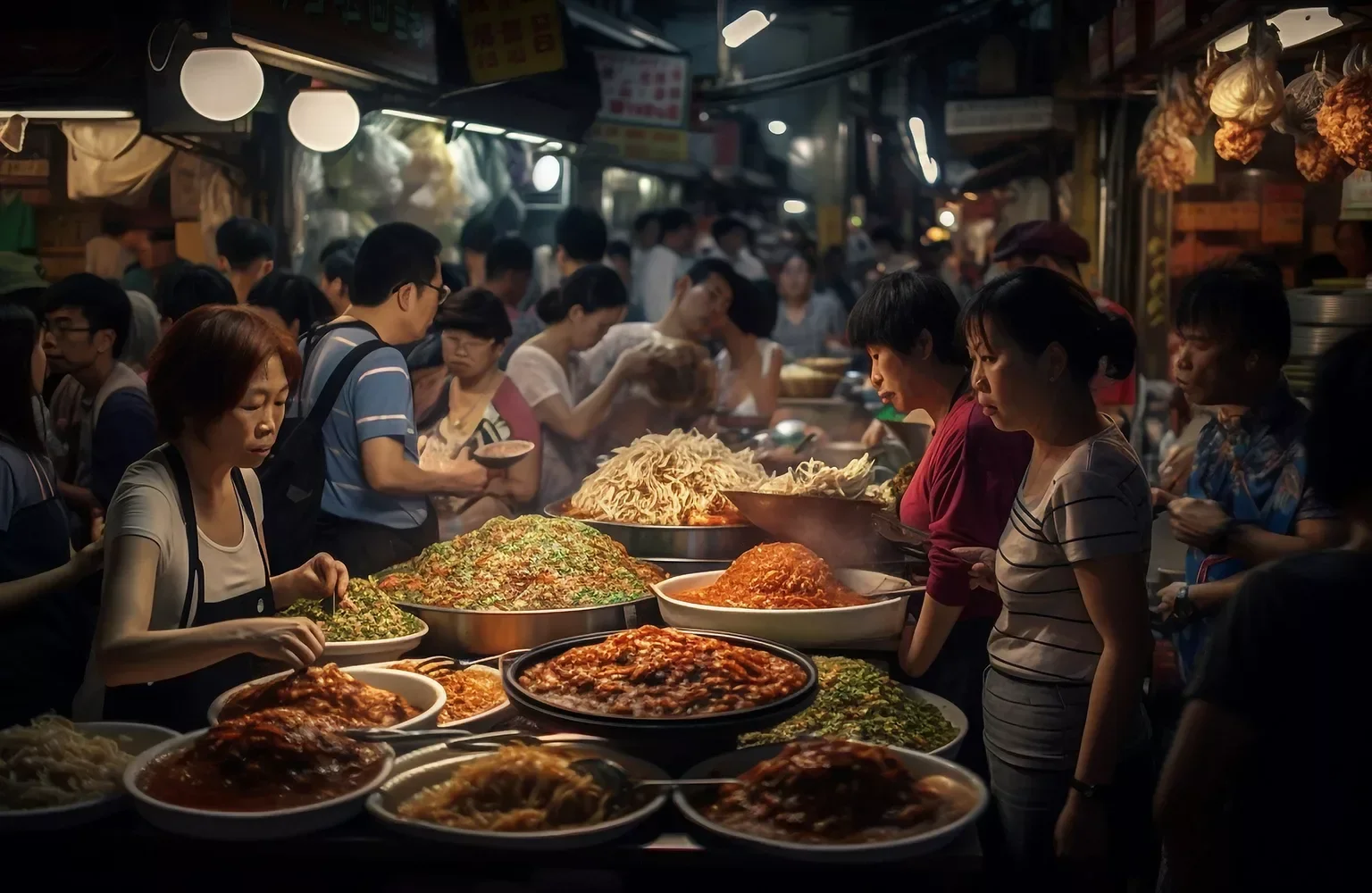
Influence of Indigenous Cooking Traditions
While external influences added layers of variety, the roots of Southeast Asian street food remain deeply grounded in indigenous customs. Local communities developed unique ways of using available ingredients—tropical fruits, fresh herbs, rice, and seafood—to create flavors that defined their regions. These traditions were often based on communal eating and simple, accessible preparation methods, making street food a natural extension of everyday life. It’s this blending of native and foreign elements that gives Southeast Asian street food its unmistakable character.
Colonial Legacies and Food Culture
The colonial era further transformed the street food scene, introducing new ingredients and culinary styles. European powers such as the Dutch, French, and British influenced food culture by bringing wheat, dairy, and cooking methods like baking. At the same time, colonial cities became melting pots where street vendors adapted dishes to suit the tastes of diverse populations. This complex history enriched street food, making it a reflection of both resilience and innovation in the region’s evolving identity.
Key Ingredients and Signature Dishes Across Countries
Iconic Flavors of Thai Street Food
Thailand’s street food is famous worldwide for its bold contrasts—sweet meets spicy, sour balances salty. Central to this are ingredients like fish sauce, palm sugar, fresh chilies, and fragrant herbs such as lemongrass and cilantro. Classics like Pad Thai, Som Tum (spicy green papaya salad), and Moo Ping (grilled pork skewers) exemplify the nation’s ability to pack complexity into simple fare. Each dish is a symphony of textures and tastes, served from stalls that line bustling Bangkok streets and quiet alleyways alike.
Vietnamese Street Food Staples
Vietnam’s street food reflects a subtle balance of flavors and fresh ingredients, shaped by both indigenous practice and French colonial influence. Pho, the iconic noodle soup, is a national treasure—warming and aromatic, layered with herbs and beef or chicken. Banh Mi sandwiches capture the fusion of French bread with local meats and pickled vegetables. Meanwhile, small bites like Goi Cuon (fresh spring rolls) showcase the importance of freshness and texture, making Vietnamese street food a celebrated culinary experience.
Malay and Indonesian Street Food Diversity
The Malay Archipelago offers an incredible variety of street foods that emphasize spices, coconut milk, and rice. Indonesian dishes such as Nasi Goreng (fried rice) and Satay (grilled skewered meat) are popular across the region, each with local twists. In Malaysia, the influence of Malay, Chinese, and Indian cuisines creates a unique blend found in dishes like Laksa, a spicy noodle soup rich with coconut milk and tamarind. This diversity not only reflects cultural intersections but also the adaptability of street food to different palates.
The Role of Street Food in Social and Economic Life
Street Food Vendors and Community Identity
Street food vendors are more than just purveyors of delicious meals; they are integral members of their communities. Often rooted in family traditions, these vendors connect neighborhoods through shared culinary experiences. The act of eating street food fosters social bonds, offering affordable access to nourishment and a space where people from all walks of life gather. In many Southeast Asian cities, certain stalls or markets become landmarks, embodying the local spirit and collective memory.
Economic Impact and Informal Food Economy
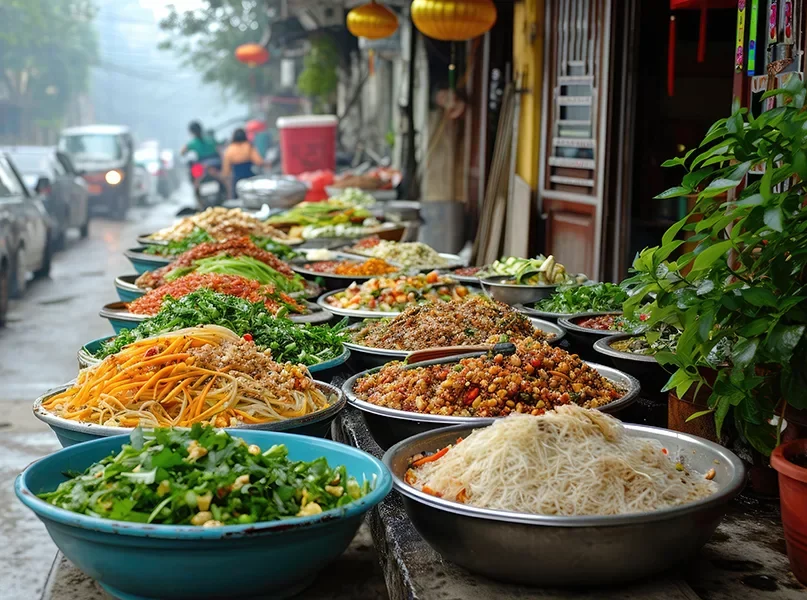
Economically, street food serves as a vital pillar for millions, providing livelihoods for vendors and affordable options for consumers. Operating largely in the informal economy, these food stalls contribute significantly to local economies by generating income and sustaining supply chains that often involve small-scale farmers and producers. Despite challenges like regulatory hurdles and competition, street food remains a robust sector that supports urban and rural populations alike.
Modern Transformations and Global Influence
From Streets to Fine Dining: The Gourmet Shift
In recent years, Southeast Asian street food has undergone a fascinating transformation. Chefs and restaurateurs have elevated traditional dishes, bringing them from humble street corners into upscale dining establishments. This “gourmet shift” celebrates the authenticity and complexity of street food flavors, introducing them to more global and discerning audiences. While this has increased recognition and respect for the cuisine, it also raises important questions about accessibility and cultural preservation.
Social Media and Street Food Popularity
Social media platforms have revolutionized how street food is discovered and appreciated. Vibrant photos and videos showcasing mouthwatering dishes spread rapidly, enticing both locals and tourists to seek out specific vendors. This digital exposure has helped some street food stalls grow their customer base exponentially, turning hidden gems into must-visit hotspots. However, it also pressures vendors to adapt quickly to trends and can sometimes lead to overcrowding and loss of original charm.
Preserving Tradition Amidst Modernization
Despite modernization and global attention, many street food vendors strive to maintain traditional recipes and methods. Balancing innovation with authenticity is a delicate act. Community efforts to document recipes, support small vendors, and promote sustainable sourcing play a crucial role in preserving this culinary heritage. In the end, the enduring appeal of Southeast Asian street food lies in its ability to evolve without losing the heart of its origins.