Introduction to Ancient Mediterranean Grains
Overview of Key Ancient Grains
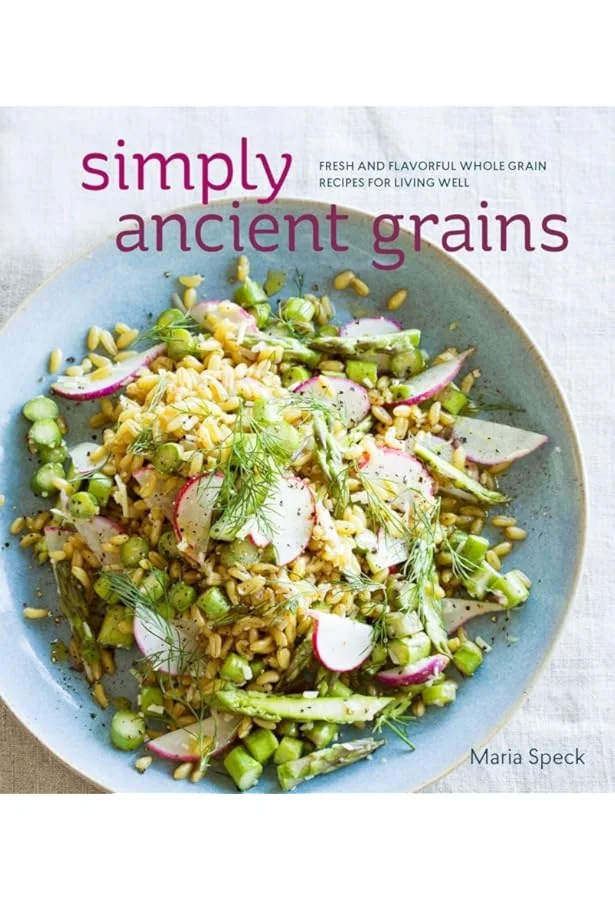
Ancient grains from the Mediterranean region, such as emmer wheat, barley, farro, and bulgur, have been staples for thousands of years. Unlike many modern grains, these varieties remain largely unrefined and retain a diverse nutrient profile. Their resilience in various climates and soils contributed to their sustained cultivation and use in traditional diets.
Cultural Significance Through History
These grains were more than just food; they played vital roles in rituals and daily life across Mediterranean civilizations. Emmer wheat, for example, was revered in ancient Egypt and Mesopotamia, often symbolizing fertility and abundance. Barley supported both sustenance and trade, while farro and bulgur became essential components of communal meals, reflecting the agrarian roots and culinary heritage of the Mediterranean basin.
Health Benefits of Ancient Grains
Nutritional Profile Compared to Modern Grains
Ancient grains generally offer higher fiber, protein, and micronutrients than many modern refined grains. Their intact bran and germ contribute to increased levels of magnesium, zinc, and B vitamins. This nutritional richness supports overall health and provides more sustained energy release, making them superior choices for balanced diets.
Impact on Digestive Health and Immunity
The fiber content in ancient grains aids digestive function by promoting regular bowel movements and nurturing beneficial gut bacteria. Certain compounds found in these grains have anti-inflammatory properties, which can enhance immune response. Their unique gluten structure may also be better tolerated by some individuals sensitive to modern wheat varieties, although those with celiac disease should still exercise caution.
Popular Ancient Grains from the Mediterranean Region
Emmer Wheat
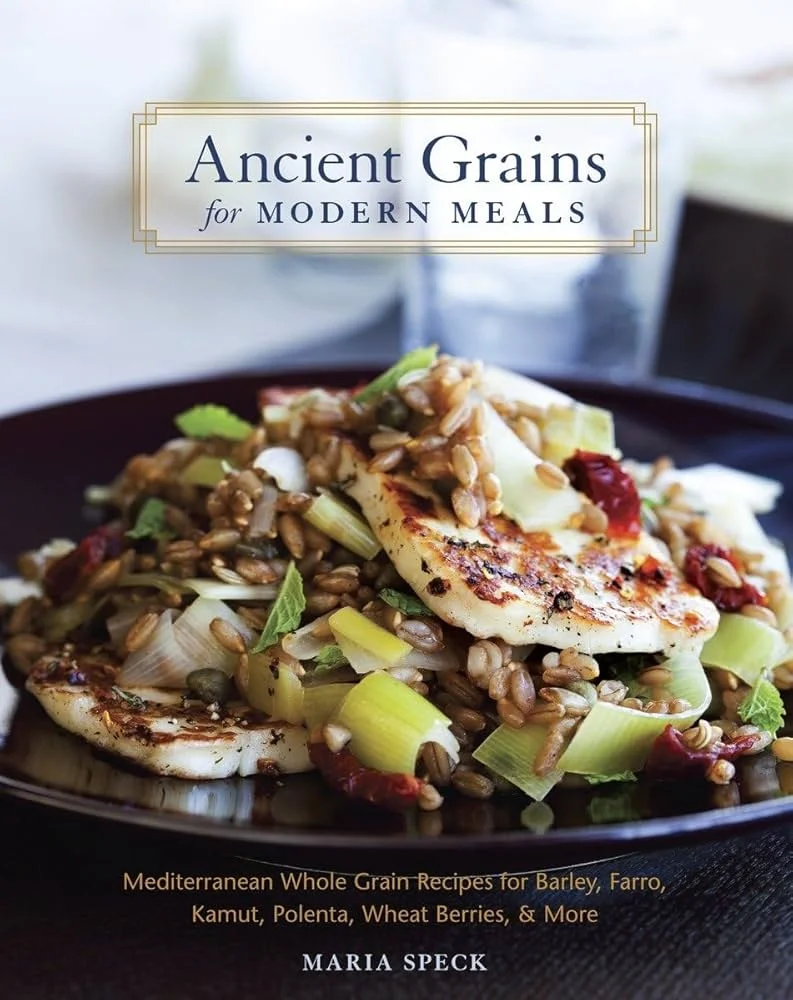
Emmer is one of the oldest cultivated grains, known for its chewy texture and nutty flavor. It is versatile, used in breads, salads, and porridges, and is prized for its high protein content and antioxidants.
Barley
Barley offers a slightly sweet taste and is commonly found in soups and stews. It provides beta-glucan, a soluble fiber beneficial for heart health, making it a functional food in many traditional Mediterranean dishes.
Farro
Farro, a type of hulled wheat, is favored for its firm texture and rich taste. It cooks quickly relative to other ancient grains and pairs well with vegetables and legumes, making it a flexible ingredient in modern kitchens.
Bulgur
Bulgur is cracked wheat that is partially pre-cooked, allowing for faster preparation. It is commonly used in salads like tabbouleh and offers a convenient way to include whole grains in everyday meals while retaining significant nutritional value.
Incorporating Ancient Grains into Today’s Meals
Adapting Traditional Recipes for Modern Tastes
Modern cooking can transform ancient grain recipes by blending them with contemporary flavors and ingredients. By adding fresh herbs, citrus, and seasonal vegetables, these grains become more appealing to today’s palate. Experimenting with different cooking methods, such as roasting or toasting grains before boiling, also enhances their flavor.
Meal Planning with Ancient Grains
Incorporate ancient grains into weekly meal plans by replacing refined grains in familiar dishes. For example, substitute white rice with barley in stir-fries or use farro as a base for grain bowls. Preparing larger batches and storing grains in the fridge can save time and encourage regular consumption.
Step-by-Step Recipes to Try at Home
Breakfast: Farro Porridge with Mediterranean Flavors
Cook farro until soft but slightly chewy. Combine with a drizzle of honey, chopped nuts, and fresh fruits like figs or pomegranate seeds. Add a splash of almond milk and a sprinkle of cinnamon for a warm, nourishing start to the day.
Lunch: Barley Salad with Fresh Herbs and Citrus
Boil barley and cool it before tossing with chopped parsley, mint, cucumber, and cherry tomatoes. Dress with olive oil, lemon juice, and a pinch of salt. This salad is light yet filling and highlights the grain’s chewy texture alongside fresh Mediterranean flavors.
Dinner: Emmer Wheat Risotto with Seasonal Vegetables
Sauté onions and garlic in olive oil, add emmer wheat and toast briefly. Gradually add vegetable broth, stirring frequently, until the grain is tender and creamy. Incorporate seasonal vegetables like zucchini or mushrooms, finishing with fresh herbs and a sprinkle of Parmesan cheese for a comforting, nutrient-rich meal.
Sourcing and Cooking Tips
Where to Find Authentic Ancient Grains
Look for ancient grains at specialty grocery stores, health food markets, or online retailers specializing in whole foods. Organic and sustainably grown options are increasingly available, ensuring higher quality and environmental responsibility.
Preparation and Cooking Techniques
Rinse grains thoroughly before cooking to remove dust and debris. Soaking grains can reduce cooking times and improve digestibility. Simmer grains gently rather than boiling vigorously to preserve their texture and nutrients. Experiment with water-to-grain ratios to achieve desired consistency.
Modern Innovations Inspired by Ancient Grains
Contemporary Culinary Uses
Chefs are reinventing ancient grains by incorporating them into modern dishes such as grain bowls, gourmet salads, and artisan breads. Their distinct textures and flavors offer creative opportunities to upgrade everyday meals without sacrificing nutrition.
Incorporation in Plant-Based and Gluten-Free Diets
While most ancient Mediterranean grains contain gluten, they complement plant-based diets by providing essential proteins and fibers. Some gluten-free ancient grains like millet and quinoa, though not Mediterranean, are often paired with these grains in recipes to accommodate dietary restrictions and enhance meal variety.