Introduction to Medieval Spice Trade
The medieval spice trade was a cornerstone of economic and cultural exchange between Europe and the wider world during the Middle Ages. This trade involved the importation of exotic spices such as pepper, cinnamon, cloves, and nutmeg, which were not only sought after for their distinct flavors but also valued for medicinal and preservative properties. Understanding the role of spices in medieval Europe unveils the profound influence they had on commerce, society, and culinary evolution.
Historical Context of Spices in Europe
Origins of Popular Medieval Spices
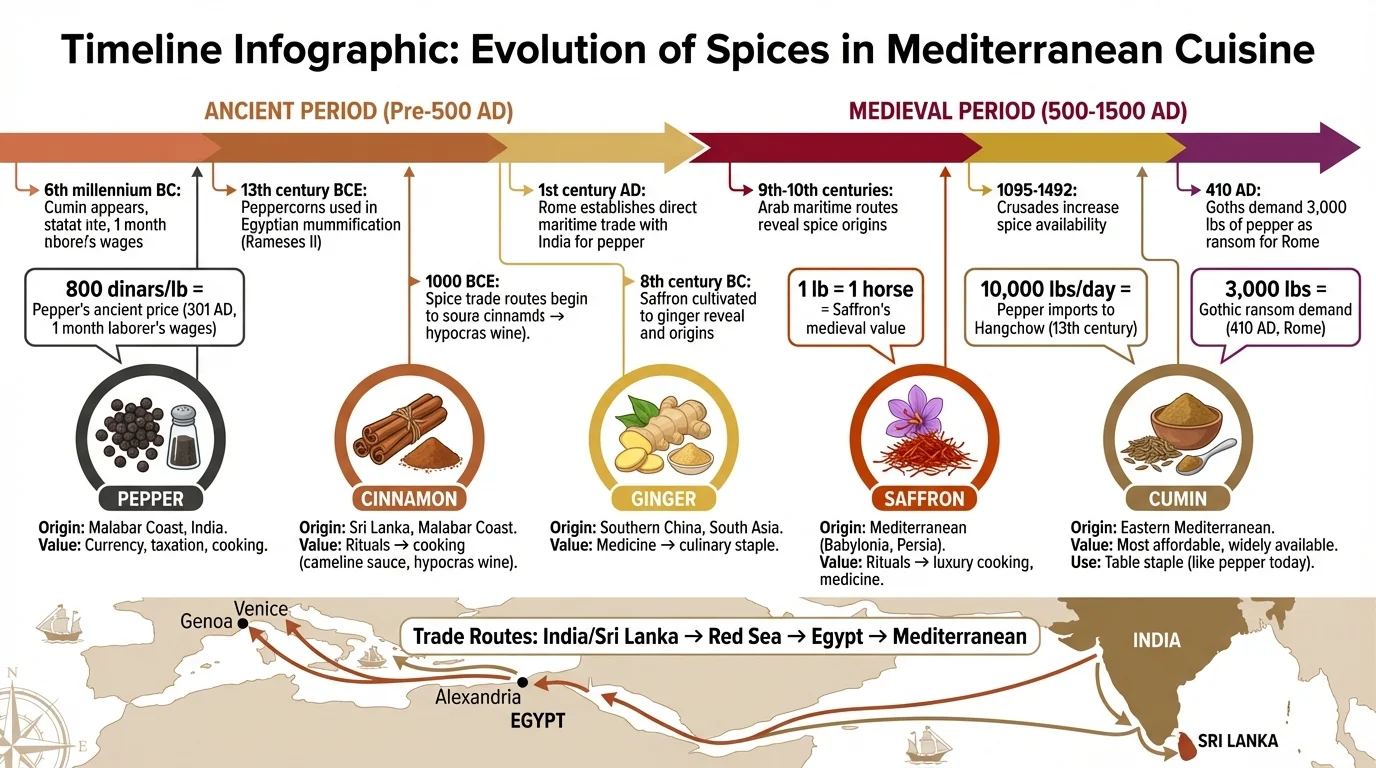
Spices that captivated medieval Europe primarily originated from tropical regions of Asia, including the Indian subcontinent and the Indonesian archipelago. Pepper, often termed the “black gold” of the Middle Ages, was native to the Malabar Coast of India. Cinnamon was sourced from Sri Lanka and parts of Southeast Asia, while cloves and nutmeg came from the Spice Islands, now known as the Maluku Islands in Indonesia. Their exotic origins created a sense of mystery and desirability among European consumers, fueling the demand that drove the spice trade.
Trade Routes Connecting Europe and Asia
The journey of spices to Europe was complex and fraught with challenges. The Silk Road and various maritime routes connected Asian spice producers with European markets, passing through regions controlled by different empires and trading hubs. Middle Eastern Muslim merchants played a crucial intermediary role, transferring goods from Asia to Mediterranean ports. These routes, vulnerable to political turmoil and natural obstacles, dictated the availability and price of spices in Europe, emphasizing their rarity and value.
Economic Impact of the Spice Trade
Spices as Currency and Luxury Goods
In medieval Europe, spices transcended their culinary use to become symbols of wealth and status. Their scarcity and high cost made them comparable to precious metals and gemstones, sometimes even used as a form of currency in certain transactions. The desire to acquire spices drove the rise of wealthy merchant classes and stimulated urban economic growth, with spices often featured in lavish banquets that demonstrated social power.
Merchant Guilds and Trade Monopolies
The lucrative nature of the spice trade led to the establishment of powerful merchant guilds and trade monopolies, especially in city-states such as Venice and Genoa. These guilds controlled spice importation and distribution, influencing prices and access within Europe. Their monopolistic practices sometimes resulted in political leverage, as controlling the spice routes meant controlling a significant portion of medieval trade wealth.
Cultural Influences on European Cuisine
Transformation of Medieval Cooking Techniques
Spices dramatically reshaped European culinary traditions during the Middle Ages. The introduction of intense and aromatic flavors inspired new cooking methods, moving away from purely salt-based preservation and seasoning. Recipes began incorporating spice blends, leading to the development of more complex flavor profiles and regional culinary identities. This transformation reflected both culinary innovation and the increasing availability of these exotic ingredients.
Spices and Social Status in Culinary Practices
The use of spices also served as a marker of social hierarchy. Nobility and wealthy merchants flaunted their access to rare spices by incorporating them into elaborate dishes, signaling refinement and privilege. Conversely, the lower classes rarely enjoyed spiced foods, making the presence of such ingredients a clear indicator of wealth and influence within medieval society.
Challenges and Risks in Spice Trade
Geopolitical Conflicts and Trade Wars
The control over spice routes sparked numerous geopolitical conflicts and trade wars. Competing European powers and regional empires sought to dominate the lucrative spice markets, often resulting in piracy, blockades, and shifting alliances. These conflicts delayed deliveries and inflated prices, adding significant risk to an already hazardous trade network.
Preservation and Quality Control of Spices
Maintaining the quality of spices throughout the long and often perilous journey was another major challenge. Spices were susceptible to spoilage, contamination, and adulteration, which could reduce their effectiveness and value. Traders developed methods such as careful packaging and rigorous inspection to preserve quality, yet the threat of inferior or counterfeit spices remained a persistent problem.
Legacy of Medieval Spices in Modern European Cuisine
The enduring impact of medieval spices on modern European cuisine is unmistakable. Many staple spices, once rare and expensive, have become everyday ingredients that define European culinary traditions. The spice trade also laid the groundwork for globalization of flavors and culinary exchange, influencing recipes, techniques, and cultural appreciation beyond Europe. Today’s vibrant and diverse flavors owe much to the medieval quest for these treasured ingredients.
Conclusion: The Enduring Importance of Spices
The medieval spice trade was far more than a mere commercial enterprise—it was a catalyst for economic growth, cultural development, and culinary innovation in Europe. By tracing the origins, trade dynamics, and societal influence of spices, we recognize their profound and lasting legacy. Spices not only shaped medieval economic power structures but also enriched European cuisine, a heritage that continues to tantalize taste buds centuries later.