Introduction to Asian-Inspired Sauces
Why Sauces Matter in Stir-Fries
Stir-fries are a beloved staple for quick and nutritious meals, especially on busy weeknights. However, the magic of any stir-fry truly lies in the sauce. Asian-inspired sauces carry a balance of flavors that transform simple ingredients into extraordinary dishes. They add depth, moisture, and a harmonious blend of sweet, salty, spicy, and sour notes that excite the palate and elevate everyday cooking.
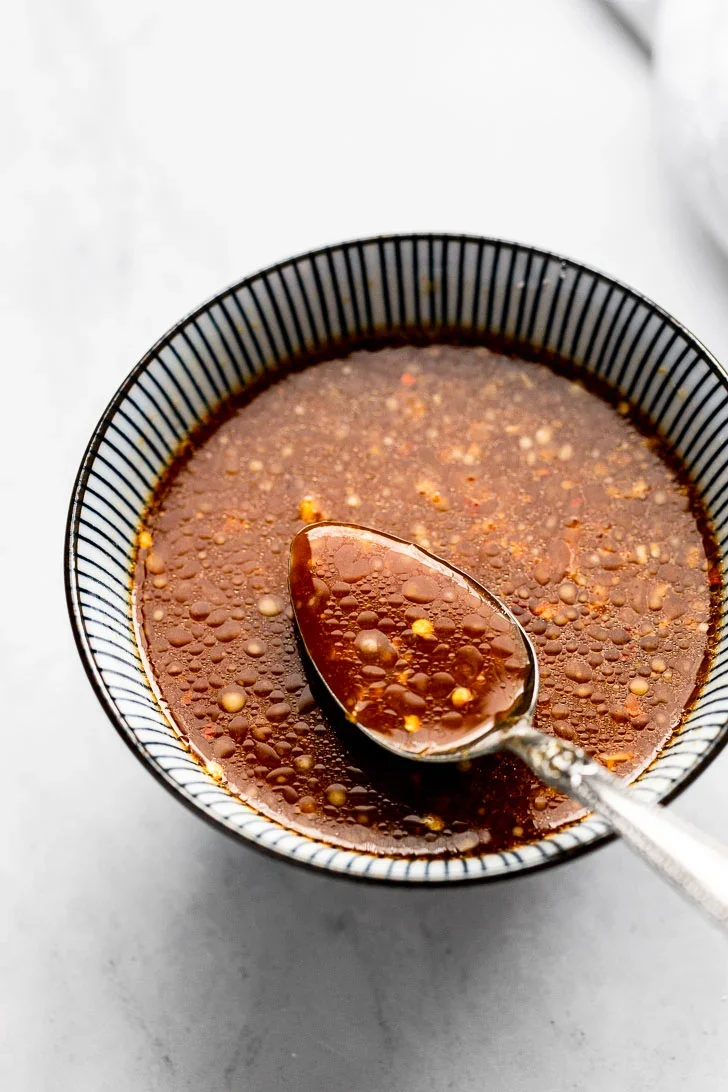
Without the right sauce, even the freshest vegetables and tender meats can taste bland. The sauce acts as a unifying agent, bringing together various components into a cohesive and flavorful dish. It’s often the secret that turns a rushed meal into a memorable dining experience.
Key Ingredients Used in Asian Sauces
Understanding the basic building blocks of Asian sauces is essential for making your own at home. Common ingredients include soy sauce, which provides saltiness and umami; rice vinegar or lime juice for tang; sesame oil for a nutty aroma; and sweeteners like honey or brown sugar to balance savory elements.
Other typical components are garlic and ginger for pungency and warmth, chili peppers or paste for heat, and fermented pastes such as hoisin, miso, or chili bean paste that lend complexity and depth. Keeping these staples handy means you can easily whip up diverse sauces that suit various stir-fry recipes.
Five Quick and Easy DIY Asian Sauces
Classic Teriyaki Sauce
Teriyaki sauce is a crowd-pleaser known for its glossy, rich, sweet-savory taste. To make it quickly, combine soy sauce, mirin or a sweet rice wine substitute, brown sugar, and a touch of grated ginger. Simmer gently until it thickens slightly. This sauce pairs beautifully with chicken, beef, or tofu dishes and gives a satisfying caramelized finish when stir-fried over high heat.
Simplified Hoisin Sauce
Traditional hoisin has a complex fermentation process, but a simplified version can be made at home with pantry staples. Mix soy sauce, peanut butter or black bean paste, honey, garlic, and a bit of sesame oil. This creates a rich, slightly sweet, and tangy sauce perfect for coating vegetables or dipping spring rolls. Its bold flavor makes it a versatile addition in many recipes.
Spicy Szechuan Sauce
Known for its bold and numbing heat, Szechuan sauce can be made by blending chili paste, garlic, soy sauce, black vinegar, and a pinch of sugar. Adding crushed Szechuan peppercorns provides authentic tingling sensations on the tongue. This sauce wakes up any stir-fry with a fiery punch while maintaining a balanced and layered flavor profile.
Ginger-Sesame Dressing
This light and fragrant sauce works both as a stir-fry glaze and a salad dressing. Freshly grated ginger, toasted sesame oil, rice vinegar, soy sauce, and a little honey come together quickly. The nutty sesame flavor combined with the zing of ginger gives a refreshing twist to stir-fried greens, noodles, or seafood dishes.
Sweet and Tangy Thai Peanut Sauce
Peanut sauce is a staple in Thai cuisine and can be prepared simply by mixing peanut butter with lime juice, soy sauce, a little sugar or honey, and chili flakes for heat. Thin it out with warm water or coconut milk to your preferred consistency. This sauce adds creamy richness and a perfect balance of sweet and sour elements to stir-fried chicken or vegetables.
Tips for Perfecting Your Stir-Fries with Sauces
Balancing Flavors: Sweet, Salty, Sour, and Spicy
The key to a successful stir-fry sauce is balancing the fundamental flavors. When sauces are too salty or overly sweet, they can overwhelm the dish. Begin with small quantities of each component, tasting as you go to achieve harmony. If the dish feels flat, a splash of acid like rice vinegar or citrus can brighten it up. Conversely, if it lacks depth, a dash of soy sauce or oyster sauce adds umami richness.
Spice levels also play a crucial role. Some dishes benefit from bold heat, while others thrive with subtle warmth. Adjust chili or pepper content gradually to find what suits your palate and complements other ingredients without overpowering them.
When and How to Add Sauces During Cooking
Knowing the right moment to add sauce can influence the texture and flavor absorption of the stir-fry. Typically, sauces are introduced once the main ingredients are mostly cooked, allowing the flavors to meld without diluting the dish. Adding sauce too early might lead to overcooked vegetables and a watery consistency.
After pouring in the sauce, toss the ingredients quickly over medium-high heat to coat everything evenly and let the sauce slightly reduce and thicken. This step locks in the flavors and gives the dish a glossy finish. For dishes where a fresh tang or delicate aroma is desired, drizzling a bit of sauce just before serving can preserve those qualities.
Customizing Sauces to Suit Your Taste
Adjusting Heat Levels
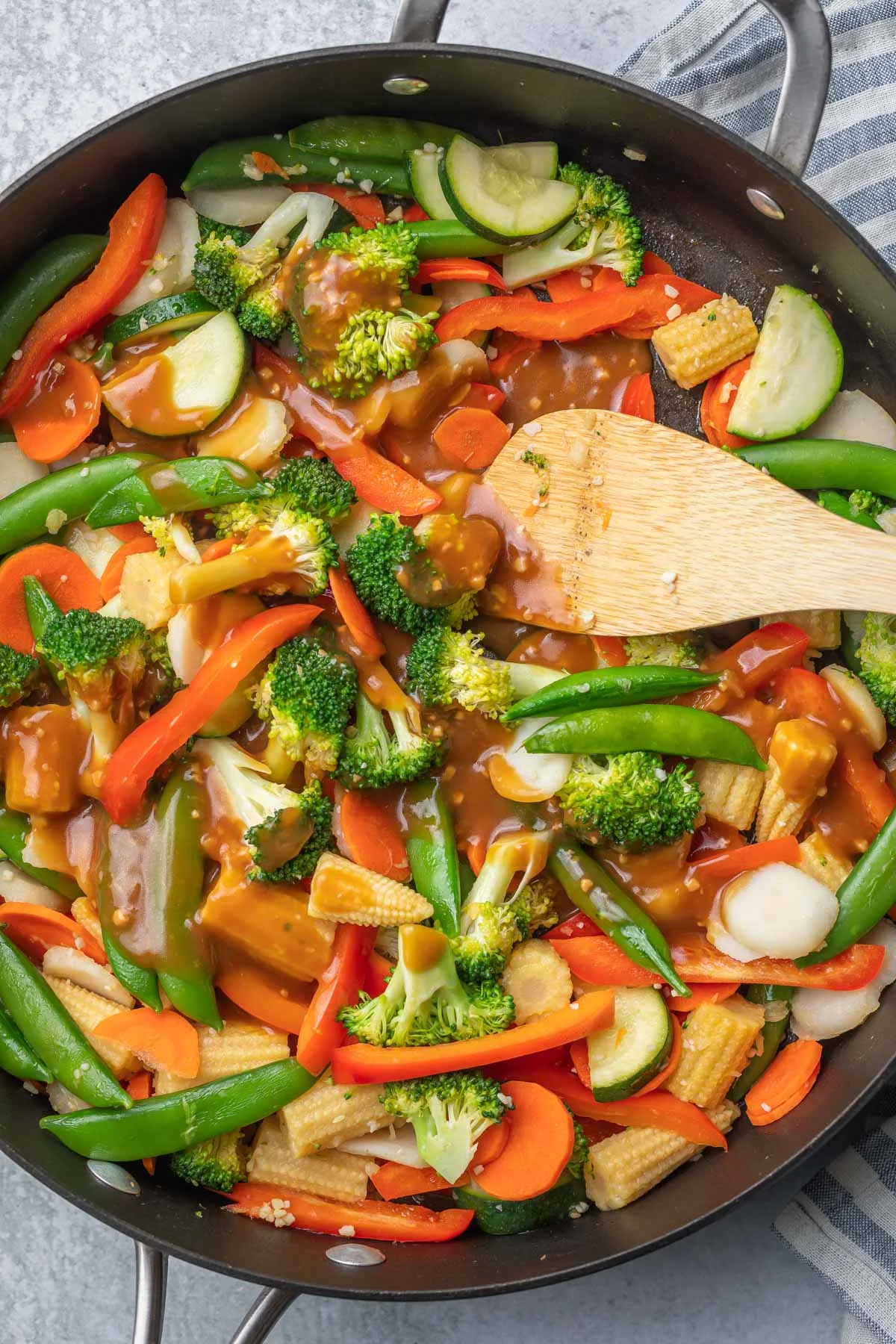
Customizing the spice in your sauces is straightforward. For a milder taste, reduce or omit chili-based ingredients and focus on aromatic spices like ginger and garlic. To increase heat, incorporate fresh chilies, chili flakes, or spicy pastes such as sambal oelek. Remember that heat intensifies with cooking, so start conservatively and adjust after tasting.
Substitutions for Dietary Preferences
Many traditional Asian sauces rely on ingredients like soy, gluten, sugar, or nuts, but there are simple substitutions to accommodate dietary needs. Tamari or coconut aminos offer gluten-free alternatives to soy sauce. Agave or maple syrup can replace refined sugars. Nut-free options like sunflower seed butter can stand in for peanut butter in sauces. These swaps ensure that flavorful stir-fry sauces remain accessible and enjoyable for everyone.
Conclusion: Elevate Your Weeknight Meals with Simple Sauces
Mastering a handful of easy, homemade Asian-inspired sauces can dramatically enhance your weeknight stir-fries. These sauces introduce complexity and excitement to quick meals without requiring elaborate preparation. By understanding how to balance flavors, when to add sauces, and how to customize them, you gain control over your kitchen creations. The next time dinner calls for something fast but satisfying, these DIY sauces will help you turn simple ingredients into dishes bursting with authentic taste and flair.