Understanding Aroma Compounds in Coffee
What Are Aroma Compounds?
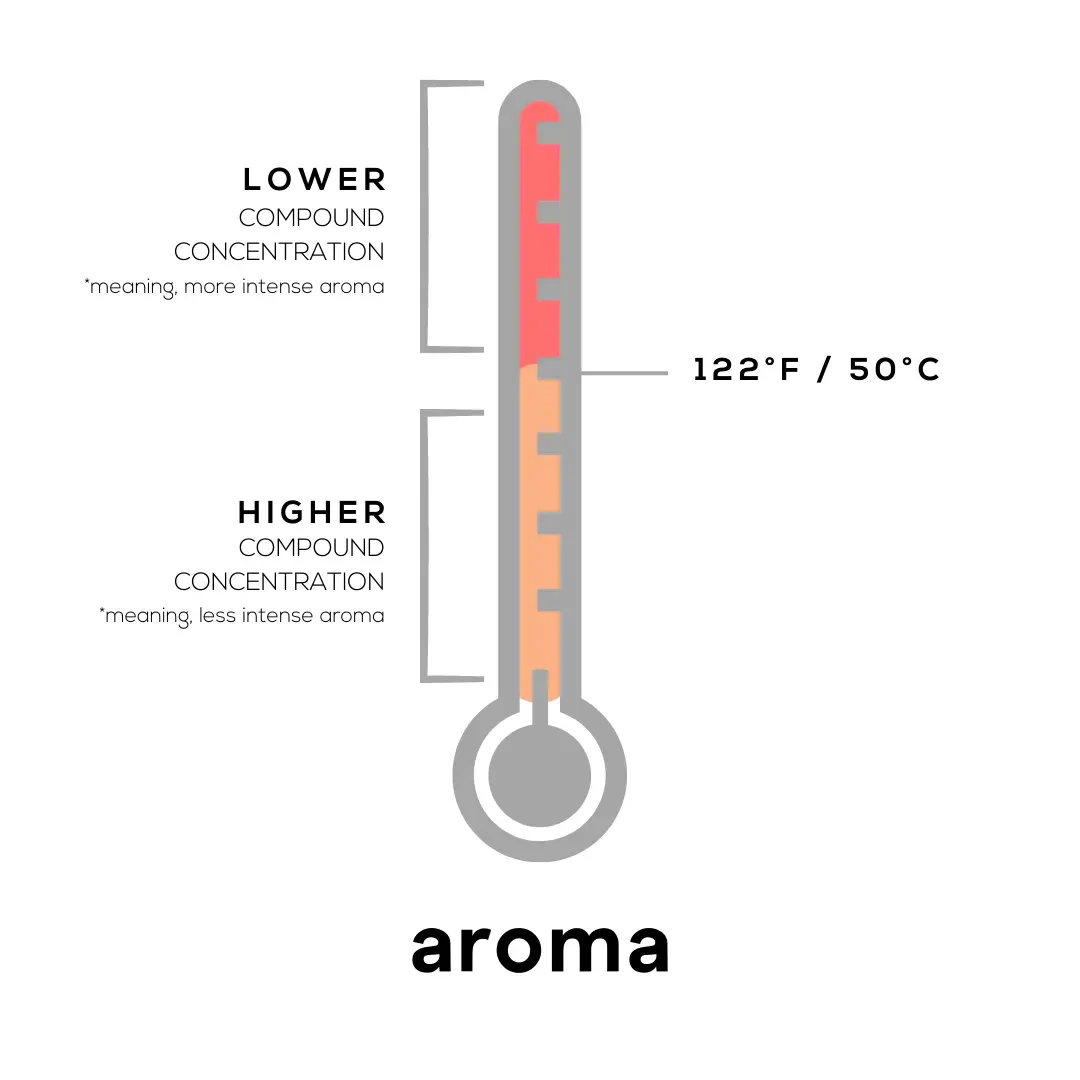
Aroma compounds are volatile molecules released by coffee that contribute to its distinctive smell and flavor. These compounds originate during the roasting process, where heat triggers chemical reactions that form hundreds of different aromatic chemicals. They play a crucial role in shaping the sensory experience of coffee beyond just taste.
Types of Aroma Compounds Found in Coffee
Coffee contains a complex mixture of aroma compounds, including aldehydes, esters, ketones, and pyrazines. Each group adds unique notes, such as fruity, floral, nutty, or smoky scents. The balance and presence of these molecules depend on factors like bean origin, roast level, and brewing technique, making aroma a distinctive characteristic of every cup.
The Role of Temperature in Brewing
Optimal Brewing Temperatures for Coffee
Temperature significantly influences how aroma compounds are extracted during brewing. Generally, the ideal range falls between 90°C to 96°C (194°F to 205°F). Within this window, water efficiently extracts flavorful oils and volatile compounds without causing excessive bitterness or under-extraction, ensuring a well-rounded aromatic profile.
Effects of High vs. Low Brewing Temperatures on Aroma
Brewing at temperatures above the optimal range can cause the degradation of delicate aroma compounds, leading to muted or burnt notes. Conversely, water too cool may fail to release enough aroma, resulting in a flat, less fragrant cup. Finding the right temperature balance is essential to optimizing aroma intensity while preserving complexity.
Mechanisms of Aroma Release at Different Temperatures
Volatility of Aroma Compounds
Aroma compounds differ in volatility, which is the ease with which they evaporate into the air. Higher temperatures increase volatility, allowing more aroma molecules to escape into the brew’s aroma. However, excessive heat may cause some volatile compounds to dissipate too quickly or break down chemically, reducing aroma complexity.
How Heat Enhances or Diminishes Aroma Perception
Heat can both enhance and diminish aroma based on the compound’s stability. Moderate heat releases subtle floral and fruity notes that contribute freshness. But overly hot conditions accelerate the loss of these sensitive compounds, favoring heavier, often harsher aromas. Serving temperature also affects how the nose perceives these aromas during consumption.
Comparative Analysis of Brewing Methods and Temperature Impact
Espresso vs. Drip Coffee: Temperature Profiles
Espresso brewing uses near-boiling water at around 93°C to 96°C and a short extraction time, emphasizing concentrated aroma release with intense, bold notes. Drip coffee typically brews at slightly lower or stable temperatures for longer periods, which can highlight nuanced flavors and a more balanced aroma. Each method’s temperature profile shapes the aroma complexity differently.
Cold Brew and Aroma Release Dynamics
Cold brew uses room temperature or cold water and extended steeping times, resulting in lower volatility of aroma compounds. This method produces a smoother, less acidic coffee with fewer sharp aromatic notes but enhances creamy and chocolatey flavors. Aroma perception is subtler but appealing for those seeking a mellow coffee experience.
Practical Tips for Maximizing Aroma in Your Coffee
Adjusting Brew Temperature for Desired Flavor Notes
Experimenting with water temperature can highlight specific aroma characteristics. Slightly lower temperatures may bring out fruity or floral notes, while higher ranges emphasize deeper, caramelized tones. It’s important to adjust temperature in tandem with grind size and brew time to maintain overall balance and avoid extraction faults.
Serving Temperature and Its Influence on Aroma Experience
The temperature at which coffee is served dramatically affects aroma perception. Coffee served too hot can overpower the nose and mask delicate aromas, whereas cooling coffee too much reduces volatility, dulling the scent. A serving temperature around 60°C (140°F) often provides the best balance, enhancing aromatic complexity and flavor enjoyment.