Understanding Nutrient Loss in Cooked Peppers and Tomatoes
The Science Behind Nutrient Degradation
Cooking peppers and tomatoes enhances their flavor and texture, but it can also lead to nutrient loss. The process of heating causes some vitamins, especially water-soluble ones like vitamin C and certain B vitamins, to break down or leach into cooking water. Additionally, exposure to high temperatures can degrade antioxidants and other heat-sensitive compounds. This degradation occurs because the delicate molecular structures of these nutrients are altered or destroyed during cooking, reducing their beneficial effects.
Key Nutrients in Peppers and Tomatoes Affected by Cooking
Peppers and tomatoes are rich in vital nutrients such as vitamin C, carotenoids (including lycopene and beta-carotene), and flavonoids. Vitamin C is highly sensitive to heat and oxidation, which means prolonged cooking greatly diminishes its content. Lycopene, on the other hand, becomes more bioavailable after cooking but can still degrade if exposed to excessive heat or cooking time. Understanding which nutrients are vulnerable helps in selecting preparation methods that balance enhancing nutrient absorption and minimizing loss.
Effective Kitchen Techniques to Preserve Nutrients
Choosing the Right Cooking Methods
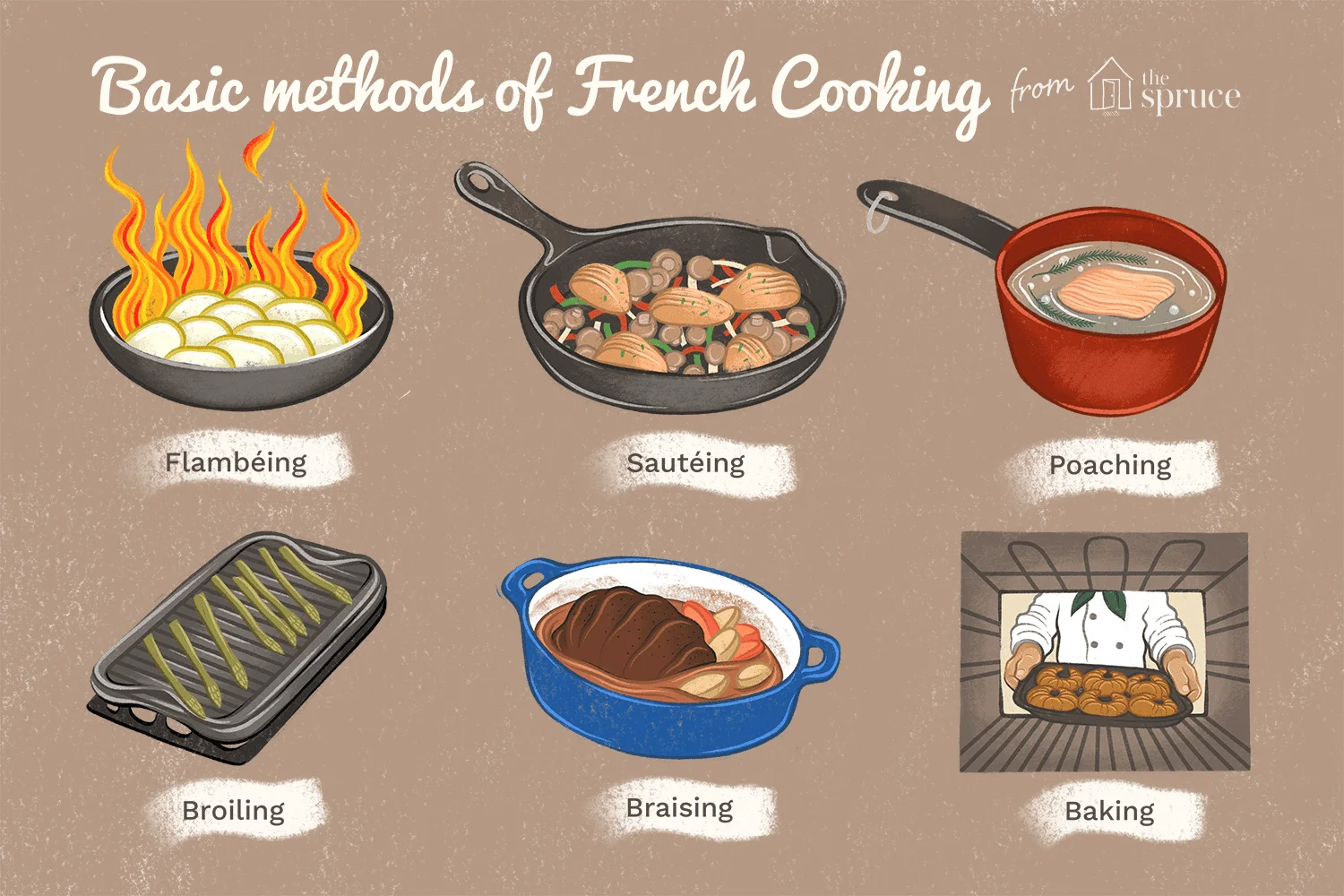
Not all cooking methods are equal when it comes to nutrient preservation. Boiling peppers and tomatoes can cause water-soluble nutrients to leach out significantly, leading to notable nutrient loss. Conversely, steaming or sautéing in minimal oil preserves more vitamins by reducing contact with water and shortening cooking times. Roasting and grilling concentrate flavors but require careful temperature control to avoid nutrient destruction. Opting for gentle cooking approaches like steaming or light sautéing can effectively retain the maximum amount of nutrients.
Optimal Temperature Settings and Cooking Duration
High temperatures expedite nutrient degradation, especially when cooking times are prolonged. For example, vitamin C starts breaking down rapidly above 70°C (158°F), emphasizing the importance of controlling heat. Cooking peppers and tomatoes at moderate temperatures and for shorter durations minimizes damage. Techniques such as quick stir-frying or sautéing over medium heat, rather than slow simmering or prolonged boiling, can keep nutrient loss to a minimum while still ensuring the food is properly cooked.
Impact of Cutting Styles on Nutrient Retention
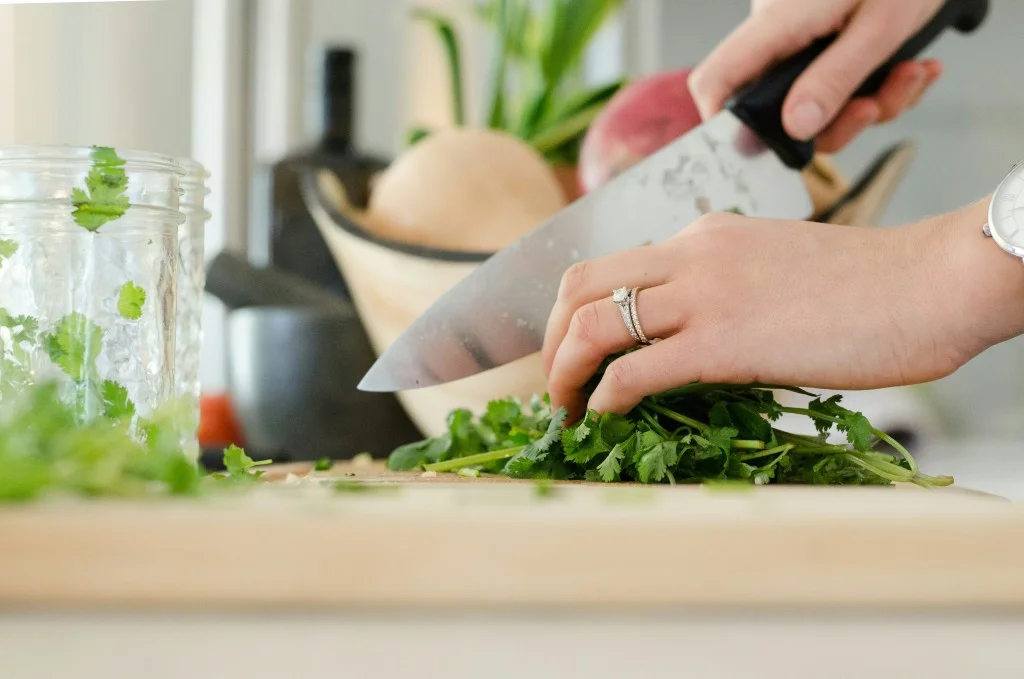
How you cut peppers and tomatoes before cooking influences nutrient retention. Smaller pieces increase surface area, exposing more nutrients to heat and water, which accelerates loss. Large chunks or cooking these vegetables whole when possible slows down nutrient degradation. Additionally, cutting just before cooking reduces the time nutrients are exposed to air and oxidation, preserving freshness and vitamin content. Avoid chopping long before cooking to maintain nutrient levels.
Pre-Cooking Preparations to Maximize Health Benefits
Washing and Handling Best Practices
Washing peppers and tomatoes thoroughly is essential to remove dirt, pesticides, and bacteria; however, excessive soaking or washing after cutting can wash away water-soluble nutrients. To minimize this, wash whole vegetables under running water and dry them before cutting. Gentle handling that avoids bruising also prevents premature nutrient loss due to oxidation. Careful preparation preserves both the nutritional quality and the appearance of these vegetables.
Using Acidic Marinades to Stabilize Nutrients
Marinating peppers and tomatoes in acidic ingredients like lemon juice or vinegar prior to cooking can help stabilize certain nutrients. Acids slow down enzymatic activity and oxidation, reducing vitamin C degradation. Moreover, acidic marinades can enhance flavor and make antioxidants more stable during heat exposure. Incorporating short marination periods before cooking offers a simple way to protect sensitive vitamins while adding a burst of taste.
Post-Cooking Tips for Nutrient Preservation
Serving Suggestions to Maintain Vitamin Content
Serving cooked peppers and tomatoes with healthy fats, such as olive oil, improves the absorption of fat-soluble nutrients like carotenoids. Since cooking can increase the bioavailability of lycopene, pairing cooked tomatoes with a drizzle of oil maximizes health benefits. Avoid reheating frequently, as repeated heating cycles accelerate nutrient degradation. Instead, serve meals promptly after cooking to retain maximum vitamin levels.
Storage Solutions for Cooked Peppers and Tomatoes
Storing cooked peppers and tomatoes improperly can further reduce their nutrient content. Exposure to light, air, and heat accelerates breakdown of vitamins and antioxidants. To preserve nutrients, cool leftovers quickly and store them in airtight containers in the refrigerator. Limiting storage time to a few days and avoiding reheating multiple times will help maintain as many nutrients as possible for subsequent meals.
Integrating Nutrient-Saving Techniques into Daily Cooking Routines
Meal Planning with Nutrient Retention in Mind
Planning meals with an emphasis on nutrient retention involves selecting recipes and cooking methods that minimize nutrient loss. Incorporate raw or lightly cooked peppers and tomatoes in salads or as toppings, alongside dishes that require minimal cooking. Prioritizing fresh, seasonal produce and combining cooking techniques that preserve vitamins ensures that daily meals remain both delicious and healthful.
Simple Habit Changes for Healthier Meals
Small adjustments in kitchen habits can yield big improvements in nutrient preservation. For instance, cutting vegetables just before cooking, using steaming instead of boiling, and adding acidic marinades can become routine practices. These changes not only enhance nutrient retention but can also enrich the overall flavor of dishes, making healthy eating both practical and enjoyable. Developing these habits gradually ensures long-term benefits for wellbeing without adding complexity to meal preparation.