Understanding the Fundamentals of Fluffy Mashed Potatoes
Choosing the Right Potato Variety
Not all potatoes are created equal when it comes to making mashed potatoes. The choice of potato variety can make a significant difference in the texture and flavor of your dish. Generally, starchy potatoes like Russets or Yukon Golds are the best choice for fluffy mashed potatoes. Russets are high in starch and low in moisture, which helps create a light, airy texture. Yukon Golds offer a slightly buttery flavor with a creamy consistency, adding richness without heaviness.
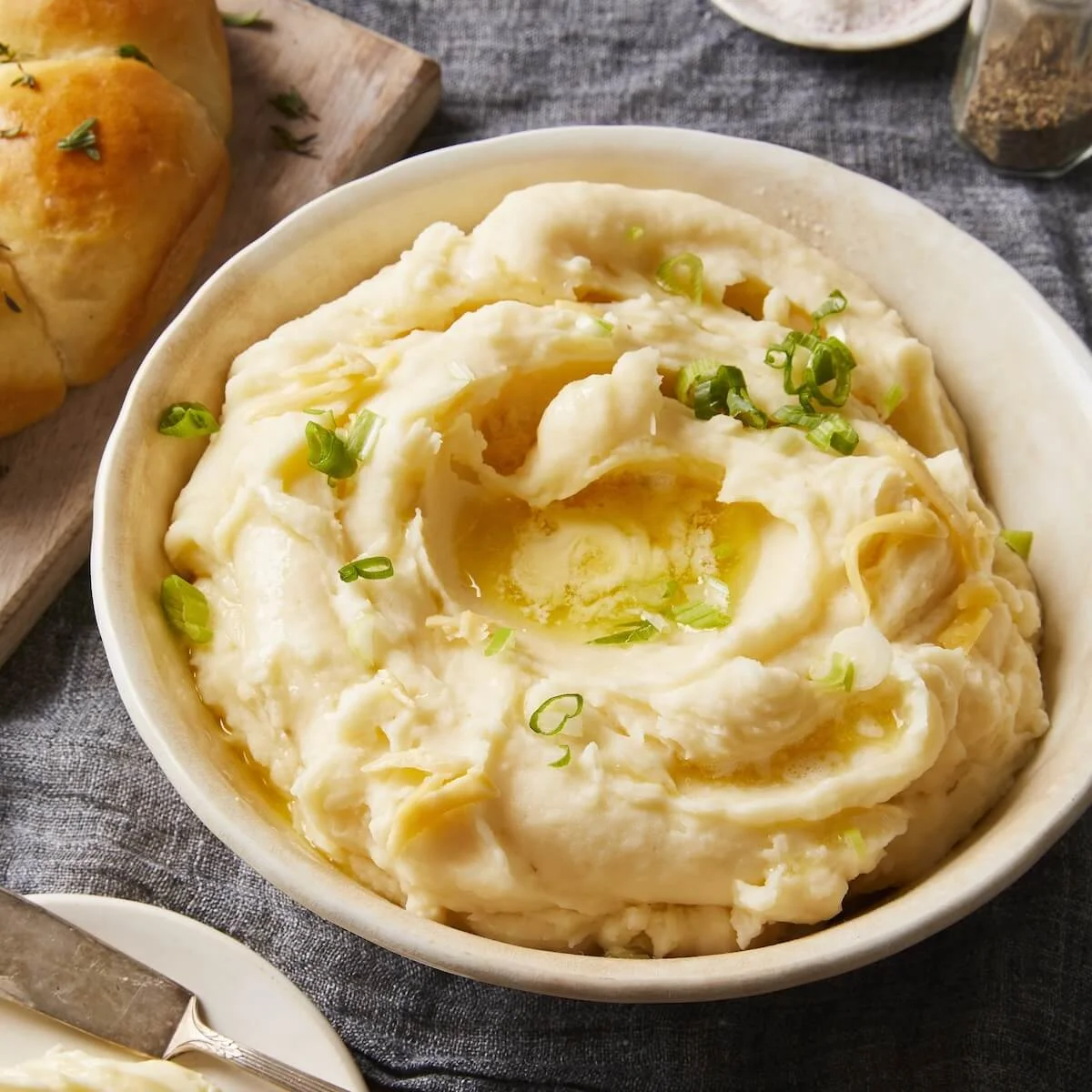
Avoid waxy potatoes such as Red Bliss or Fingerlings, as they tend to produce denser, gluey results. Knowing your potatoes lays the groundwork for mastering fluffy mashed potatoes and sets you up for success from the start.
The Science Behind Fluffiness
Fluffiness in mashed potatoes comes down to how the starches within the potato are handled. When potatoes are cooked, their starch granules absorb water and swell. If these starches are overworked, they release too much starch and become gluey and sticky. On the other hand, proper mashing gently breaks down the potato without releasing excess starch, resulting in a light, airy texture.
Temperature also plays a crucial role. Hot potatoes absorb dairy and fat more readily, allowing ingredients to blend seamlessly and enhance that delicate fluffiness. Understanding these scientific principles helps you approach each step with confidence, turning simple mashed potatoes into a masterful side dish.
Preparation Techniques for Optimal Texture
Peeling, Cutting, and Soaking Potatoes
Preparation is key to smooth, fluffy mashed potatoes. Start with peeling the potatoes carefully to avoid any tough skin in the final mash. Next, cut them into uniform chunks—usually about two inches—to ensure even cooking. Uneven sizes can lead to some pieces being overcooked while others remain underdone, compromising texture.
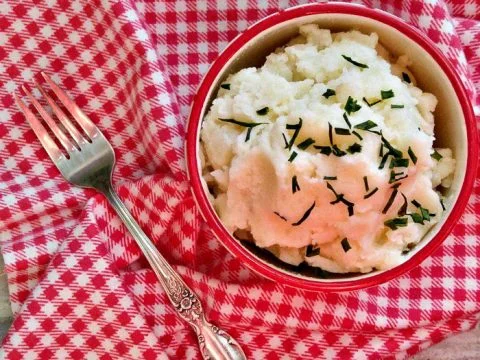
Soaking the cut potatoes in cold water for 15 to 30 minutes before cooking is a step many overlook. This process helps remove excess surface starch that can cause stickiness. It also prevents the potatoes from browning before cooking. Just be sure to drain and dry them well after soaking to avoid diluting the cooking water.
Salted Water vs. Plain Water: What Works Best?
Salt is a flavor enhancer and also affects the cooking process. Boiling potatoes in salted water seasons them from the inside out, providing a well-rounded taste. A common practice is to generously salt the water, similar to cooking pasta. This helps boost the natural flavors of the potato without overpowering them.
Using plain water, however, can leave your potatoes tasting bland, requiring more seasoning later. While it might seem minor, this step is crucial in ensuring your mashed potatoes are flavorful and don’t rely solely on added butter or cream to mask their taste.
Cooking Methods That Enhance Fluffiness
Boiling vs. Steaming: Pros and Cons
Boiling potatoes is the traditional method and widely used for its simplicity. It cooks the potatoes quickly by submerging them in water. However, boiling can sometimes lead to waterlogged potatoes if overdone or if the potatoes are left soaking post-cooking.
Steaming is a gentler approach that helps the potatoes retain more of their natural flavor and texture. Because the potatoes are not immersed in water, they absorb less moisture, which helps in achieving fluffier mash. The downside is steaming takes a bit longer and requires a special setup, but the payoff can be worth the patience.
Perfecting the Cooking Time
Cooking time is a balancing act. Under-cooked potatoes won’t mash smoothly, while overcooked potatoes can become waterlogged and lose their structure. The best indicator is when a fork slides easily into the potato with little resistance. Typically, potatoes need about 15 to 20 minutes of cooking, but this varies depending on size and variety.
Drain your potatoes immediately once they are tender to prevent them from soaking up excess water, which dilutes flavor and affects texture. Keeping the timing tight ensures your mashed potatoes won’t fall flat in the fluffiness department.
Mastering the Mashing Process
Selecting the Ideal Mashing Tool
The tool you use to mash potatoes can dramatically alter the texture. A traditional potato masher is versatile and effective at breaking down chunks without overworking the starch. For those who prefer ultra-smooth potatoes, a potato ricer or food mill works wonders by pushing the cooked potatoes through small holes, creating a fluffy, uniform consistency.
Avoid using blenders or food processors unless you enjoy a gummy texture—they tend to overwork the potatoes and release excess starch. Choosing the right tool helps maintain that perfect balance between creamy and fluffy.
Techniques to Avoid Gluey Mashed Potatoes
One of the most common pitfalls is over-mashing. Excessive mashing breaks down starch molecules too far, resulting in a gluey, sticky mess. It’s essential to mash just enough to remove lumps while keeping the texture light. Another trick is to mash potatoes while they’re still hot because cold potatoes tend to need more mashing and can become gummy.
Adding dairy slowly while mashing allows you to better control the texture, avoiding an overly liquid or sticky result. Being gentle and patient during this step is as important as any ingredient you add.
Incorporating Dairy and Seasonings
Choosing Between Butter, Cream, and Milk
Dairy plays a starring role in the richness and moisture of mashed potatoes. Butter adds a luscious creaminess and depth of flavor, while cream introduces a silkier texture. Milk, especially warm whole milk, helps loosen the mash without watering it down.
Some cooks prefer a combination — starting with butter for flavor, then adding cream or milk to reach the desired consistency. The key is to warm your dairy before adding it to the potatoes. Cold liquids cool down the mash and can create a less smooth, clumpy mixture.
Flavor Enhancers and Their Impact on Texture
Salt and pepper are your basic seasonings, but a little garlic, chives, or even cheese can elevate your mashed potatoes. Be cautious with adding too many solid mix-ins if you want to maintain fluffiness, as they can weigh down the texture.
Incorporating ingredients like cream cheese or sour cream can add tang and richness but might slightly alter the lightness, making the mash denser. Experimenting with flavors is great, but keep texture balance in mind to not lose that coveted fluffiness.
Advanced Tips for Next-Level Fluffy Mashed Potatoes
Adding Air for Extra Lightness
For truly airy mashed potatoes, incorporating air during the mashing process can make a difference. Using a gentle folding technique with a spatula rather than vigorous stirring helps keep the mix light. Some chefs even fold in whipped cream or a bit of whipped butter to introduce tiny air bubbles, elevating fluffiness even further.
Patience is key here—rushing the process can pack down the potatoes, making them dense. Slow, deliberate folding helps maintain volume and delightfully soft textures.
How to Reheat Without Losing Texture
Reheating mashed potatoes can be tricky as they often dry out or become gummy. The best way is to gently warm them over low heat on the stove, stirring constantly and adding a splash of warm milk or cream to restore moisture. Using a double boiler is also an effective method to heat evenly without drying out.
Avoid microwaving straight from the fridge without adding liquid, as this can toughen the starch and ruin that fluffy texture you worked hard to achieve. With the right reheating approach, you can enjoy perfectly fluffy mashed potatoes even as leftovers.