Introduction: Elevate Your Dinner Presentation Without Overspending
Plating dinner like a professional chef can seem intimidating, especially when working within a budget. Many home cooks assume that impressive food presentation requires expensive tools or exotic ingredients. However, elevating your dinner presentation is entirely achievable with simple techniques and mindful choices. This guide will help you understand how to plate meals beautifully without overspending, transforming everyday dinners into memorable experiences.
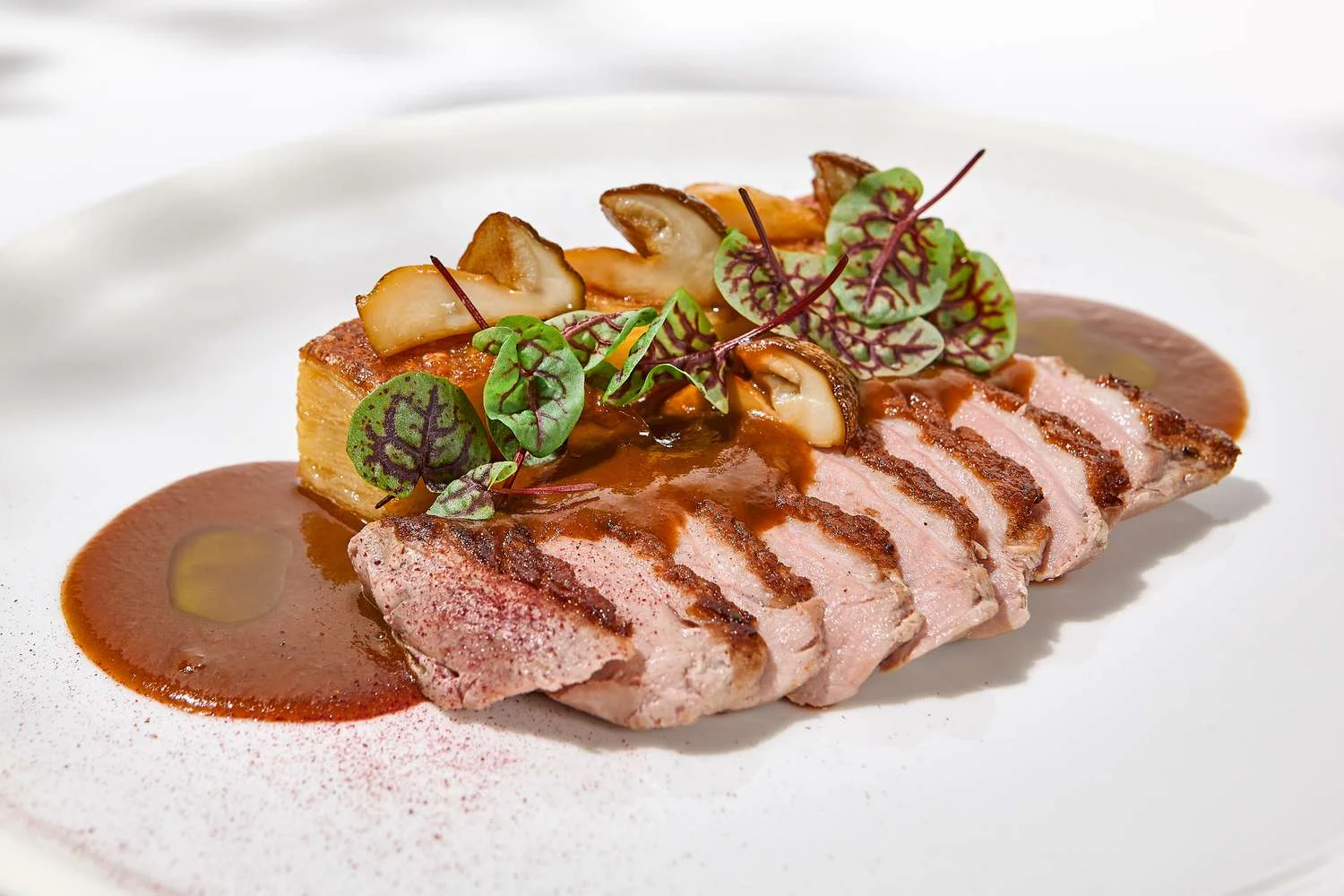
Understanding the Art of Plating
The Role of Visual Appeal in Dining Experience
When food arrives at the table, the eyes often form the first impression. Visual appeal directly impacts the overall dining experience, influencing appetite and enjoyment. A well-plated dish suggests care and attention, making the meal feel special even before the first bite. For home cooks, mastering plating enhances not just aesthetics but the satisfaction of sharing thoughtful meals with family or guests.
Basics of Plate Composition and Balance

Good plating involves more than arranging food randomly. A balanced plate considers proportion, color, and spacing. Plates that feel cluttered or unbalanced can distract diners and reduce appetite. Chefs often use the “rule of thirds” to avoid overcrowding, leaving some negative space to highlight main components. Understanding these basics helps create plates that look both inviting and harmonious without complicated techniques or costly ingredients.
Essential Tools and Materials for Budget-Friendly Plating
Affordable Utensils and Serving Dishes
One common misconception is that professional plating requires fancy, expensive dinnerware. In reality, simple white plates or neutral-colored dishes create a clean backdrop that showcases your food. Affordable sets from discount stores or thrift shops can be just as effective as designer pieces. Using everyday utensils creatively, such as spoons for drizzling sauce or small tongs for precise placement, enhances control without needing specialty tools.
Multi-Use Kitchen Tools that Save Money and Enhance Presentation
Investing in versatile kitchen tools serves double duty in budgeting and plating. For example, a good sharp knife is essential for neat cuts, while a squeeze bottle can be used for sauces or dressings with artistic flair. Tools like microplanes, tweezers, or silicone brushes don’t have to be expensive and can be found at affordable prices. These aid precision, helping your dishes look polished without a high cost.
Step 1: Choosing the Right Plate
Size, Shape, and Color Considerations
The plate you select sets the stage for your presentation. Plates that are too large can make portions seem sparse, while very small plates can feel cramped. Opt for sizes that provide a good balance between space and focus on the food. Shapes beyond standard rounds, such as rectangles or ovals, add visual interest but stick to simple designs to avoid distraction. Colors like white or muted tones help colors of your ingredients pop, enhancing the visual impact naturally.
DIY Plate Enhancements on a Budget
If you want a bit of flair without buying new dinnerware, consider simple DIY enhancements. Using stencils or edible decorations like spices and dustings can create patterns on the plate’s rim. Another inexpensive trick is to line plates with fresh leaves, parchment paper, or clean cloth napkins to create texture and depth. These inexpensive touches can make a plain plate appear thoughtfully styled and elevate the entire dining experience.
Step 2: Preparing Your Ingredients for Presentation
Cutting Techniques to Enhance Visual Appeal
How you prepare your ingredients before plating greatly affects presentation. Uniform cuts look professional and create a sense of order. Simple techniques like julienne, dice, or thin slices can add texture variety and visual interest. Even rough chopping benefits from consistency in size and shape. Taking time to refine these cuts avoids sloppy appearances and highlights the care put into your meal.
Using Color and Texture to Create Contrast
A visually appealing plate balances colors and textures to engage the senses. Vibrant vegetables provide pops of color, while contrasting textures — such as crispy, creamy, and tender elements — keep the plate dynamic. Incorporating even small touches of bright herbs or crunchy toppings diversifies the look. Avoid overly monotone plates, as they tend to appear dull and less appetizing.
Step 3: Plating Techniques Used by Professional Chefs
Layering and Stacking Foods Creatively
One professional technique that elevates plating is layering or stacking components to add height and dimension. Rather than spreading everything flat, stacking creates focal points that catch the eye and give dishes depth. For example, placing protein atop a bed of grains or vegetables adds interest. This method requires balance to avoid toppled or overwhelmed plates but offers a refined and intentional look.
Strategic Saucing and Garnishing Tips
Sauces are often an afterthought but can dramatically improve aesthetics and flavor when applied strategically. Instead of covering the plate entirely, drizzle sauces in lines, dots, or swirls to create visual movement. Garnishes, used sparingly, can accentuate colors and indicate flavor profiles. Avoid over-garnishing; the key is subtlety and complementing the dish rather than overshadowing it.
Step 4: Incorporating Garnishes Without Breaking the Bank
Using Herbs, Edible Flowers, and Household Items
Garnishes don’t need to be expensive or exotic. Fresh herbs like parsley, cilantro, or chives add freshness and vibrant green accents. Edible flowers, which are often inexpensive or homegrown, provide colorful elegance. Even simple items such as lemon wedges, peppercorns, or crushed nuts found in the pantry serve as effective and affordable garnishes that enhance both look and taste.
Making DIY Garnishes from Pantry Staples
Creativity with pantry staples unlocks unique garnish ideas without extra cost. Thin slices of radish, carrot curls made with a peeler, or toasted breadcrumbs can impart texture and color. To add shine or interest, lightly brushing bread or food components with oil or melted butter mimics professional finishes. These simple touches increase visual appeal while minimizing waste and expense.
Step 5: Final Touches and Presentation Tips
Lighting and Table Setting to Complement Plating
Even the best plating can fall flat without proper presentation context. Good lighting highlights colors and textures, making dishes inviting. Natural light or warm artificial light works best. Table settings with clean linens, coordinated utensils, and minimal clutter create a polished atmosphere that complements plated dishes and enhances the dining experience.
Serving and Timing Considerations
Serving food at the right temperature and timing can affect how plating holds up. Delays may cause sauces to spread or components to lose crispness, diminishing the original appearance. Planning plating steps shortly before serving ensures freshness. Keeping components warm or cool as needed helps maintain their visual and textural qualities until enjoyed.
Common Mistakes to Avoid When Plating on a Budget
Overcomplicating vs. Simplicity
Trying to replicate elaborate restaurant dishes can lead to overcomplicated plating that overwhelms the budget and your skills. Simple, intentional presentations often look cleaner and taste better. Focus on highlighting your ingredients thoughtfully rather than overcrowding plates with too many elements or gimmicks. Elegance often lies in simplicity.
Wasting Food While Trying to Impress
Another pitfall is excessive food waste driven by artistic ambitions. Professional chefs balance aesthetics with practicality to avoid discarding usable ingredients. When plating at home, use all edible parts creatively, and avoid trimming unnecessarily. Minimizing waste aligns with budget goals and encourages sustainable, mindful cooking.
Conclusion: Mastering Professional Plating at Home Without Overspending
Plating dinner like a professional chef doesn’t require lavish spending or complex equipment. By understanding the principles of visual appeal, using budget-friendly tools, and applying thoughtful preparation and presentation techniques, you can transform everyday meals into impressive displays. Avoiding common mistakes and embracing simplicity make this art accessible to any home cook. With practice and creativity, professional-level plating on a budget becomes an achievable and rewarding skill.