Introduction to One-Pot Cooking
Benefits of One-Pot Meals for Busy Lifestyles
Imagine coming home after a long day, all you want is a satisfying meal but the thought of cleaning multiple pots and pans feels overwhelming. One-pot cooking is a game-changer for busy individuals or families who want to enjoy wholesome meals without spending hours on cleanup. By combining all ingredients in a single pot or pan, you save valuable time and reduce the mess, making it easier to maintain a consistent cooking routine even on hectic days.
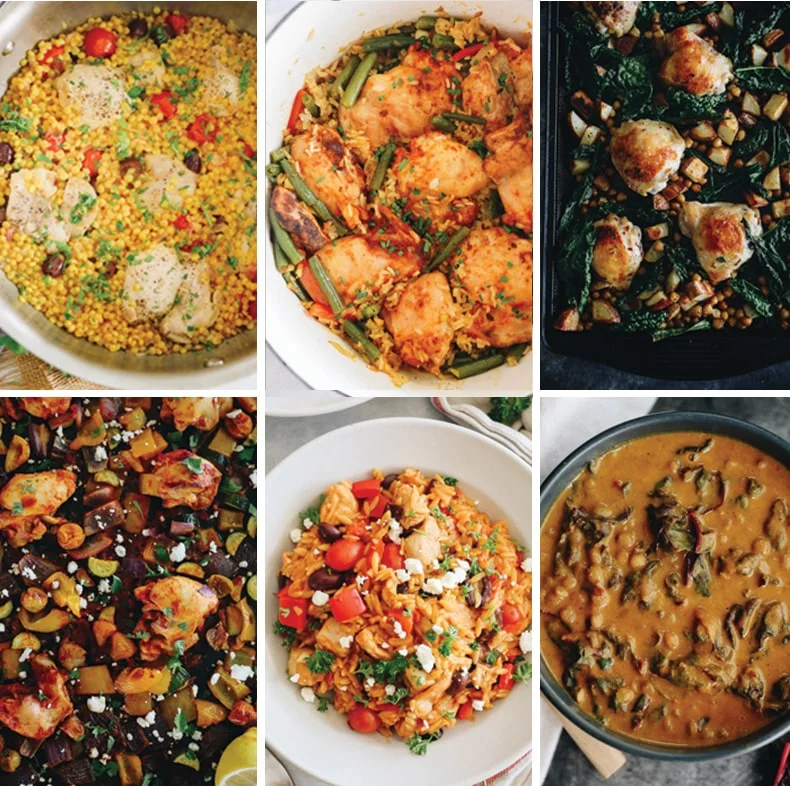
Take Sarah, a working mom, for example. She found that preparing one-pot meals allowed her to provide nutritious dinners for her kids without the stress of juggling multiple dishes. This convenience can elevate daily cooking from a chore to an enjoyable part of your routine.
How One-Pot Recipes Promote Healthy Eating
One-pot recipes often encourage cooks to gather a variety of wholesome ingredients — whole grains, fresh vegetables, lean proteins — that simmer together, enhancing flavors naturally and retaining nutritional value. Because these meals involve minimal preparation and cleanup, people are less likely to opt for processed or takeout food alternatives.
Consider James, who wanted to eat healthier but struggled with time constraints. By embracing one-pot recipes, he included more vegetables and legumes into his diet without sacrificing taste or convenience, helping him feel more energized throughout the day.
Essential Ingredients for Nutritious One-Pot Recipes
Whole Grains and Legumes
Foundations of many one-pot meals are whole grains and legumes, which provide sustained energy and important nutrients. Ingredients like quinoa, brown rice, barley, lentils, and chickpeas enrich dishes with fiber and protein, keeping you full longer and supporting digestion.
When Maria experimented with one-pot cooking, she discovered that adding barley and lentils to her recipes made meals hearty and satisfying without heaviness. These staples blend seamlessly into soups and stews, absorbing the rich flavors developed during cooking.
Fresh Vegetables and Herbs
Fresh vegetables add color, texture, and vitamins to one-pot meals. Including a range like bell peppers, carrots, spinach, tomatoes, and zucchini not only boosts the nutritional profile but also enhances visual appeal. Herbs such as basil, cilantro, parsley, and thyme infuse freshness and can reduce the need for excessive salt or sauces.
Mark, a culinary novice, found that experimenting with different herbs transformed his simple stir-fries into exciting dishes, encouraging him to explore more vegetable varieties while keeping meals light and wholesome.
Lean Proteins and Plant-Based Alternatives
Including lean proteins like chicken breast, fish, or turkey adds essential amino acids without excess saturated fats. For those seeking plant-based options, tofu, tempeh, and beans offer versatile protein sources that absorb spices and flavors beautifully in one-pot contexts.
During her transition to a more plant-forward diet, Nina found that swapping out meat for chickpeas and tempeh in her one-pot recipes not only reduced cleanup but also introduced new textures and tastes, making healthy eating both easy and enjoyable.
Top 5 Easy One-Pot Healthy Recipes
Quinoa and Vegetable Stir-Fry
This dish combines quinoa, a nutrient-dense grain, with colorful vegetables like bell peppers, snap peas, and carrots. Sautéing garlic and ginger in olive oil before adding quinoa and broth infuses the meal with aromatic flavors. It’s quick to prepare, perfect for a weekday dinner, and provides a balanced mix of protein, fiber, and vitamins.
Chicken and Brown Rice Soup
A comforting option, this soup simmers lean chicken, brown rice, celery, and carrots in a flavorful broth. It’s particularly handy for chilly evenings when a warming, one-pot meal can lift spirits. The ingredients cook together gradually, melding tastes while preserving nutrients.
Vegetarian Lentil Stew
Combining lentils with diced tomatoes, onions, garlic, and an assortment of vegetables, this stew is hearty and nutrient-packed. It’s a perfect way to incorporate plant-based protein with plenty of fiber, and the slow-simmered herbs elevate its complexity without extra effort or cleanup.
Sweet Potato and Chickpea Curry
Experience a vibrant blend of sweet potatoes, chickpeas, onions, and spices like turmeric and cumin in a creamy coconut milk base. This one-pot curry offers a rich, comforting flavor profile while delivering fiber, protein, and antioxidants — great for those seeking a meatless meal that satisfies.
Salmon and Spinach Pasta
This recipe cleverly cooks whole wheat pasta and fresh spinach together with flaked salmon in a single pan. Lemon zest and fresh herbs add brightness, making it an elegant yet easy dish that balances omega-3s and greens with whole grains.
Tips for Minimizing Cleanup in the Kitchen
Choosing the Right Cookware
Investing in quality non-stick or heavy-bottomed pots can make a huge difference. Such cookware typically requires less oil and is easier to clean, preventing ingredients from sticking and burning. For example, a sturdy Dutch oven or a deep skillet often works well for both stovetop and oven recipes, allowing versatility and convenience.
Organizing Ingredients for Efficiency
Prepping and measuring ingredients before cooking saves time and prevents frustration. Using designated bowls for chopped vegetables or pre-soaked legumes streamlines the process, so everything goes into the pot smoothly, reducing potential spills and messes along the way.
Cleaning Strategies for One-Pot Cooking
Cleaning while waiting for food to cook can keep mess manageable. Rinsing used utensils, wiping counters promptly, and soaking the cooking pot immediately after serving helps prevent stubborn residue buildup. These small habits keep your kitchen tidy and make post-meal cleanup faster and less stressful.
Customizing Your One-Pot Meals
Adapting Recipes for Dietary Restrictions
One-pot recipes can be flexible to accommodate dietary preferences or restrictions. For those avoiding gluten, substituting brown rice or quinoa for pasta works well. Similarly, plant-based eaters can swap animal proteins for legumes or tofu seamlessly, ensuring meals remain nutritious and satisfying without extra dishes.

Jessica, who recently became gluten intolerant, found comfort in adapting her favorite chicken and rice soup by replacing rice with millet, which cooked perfectly in her trusty one-pot setup.
Boosting Flavor Without Extra Dishes
Layering spices, fresh herbs, and citrus can elevate simple one-pot meals without needing add-ons like dips or side salads. Toasting spices in the pot before adding main ingredients releases deeper aromas, while finishing with a squeeze of lemon juice or a sprinkle of fresh herbs adds bright contrast, making each bite exciting and flavorful.
Conclusion: Embracing Simple, Nutritious Cooking
One-pot cooking offers a practical and efficient way to enjoy healthy meals with less hassle. By using nutrient-rich ingredients, taking advantage of versatile recipes, and practicing simple kitchen strategies, anyone can reduce cleanup time and improve nourishment at the same time. Whether you’re feeding a family or cooking for yourself, embracing these meals can transform your daily routine into a rewarding culinary experience that fits both your schedule and wellness goals.