Introduction to Meal Prepping Balanced Dinners
Why Balanced Dinners Matter for Busy Weeknights
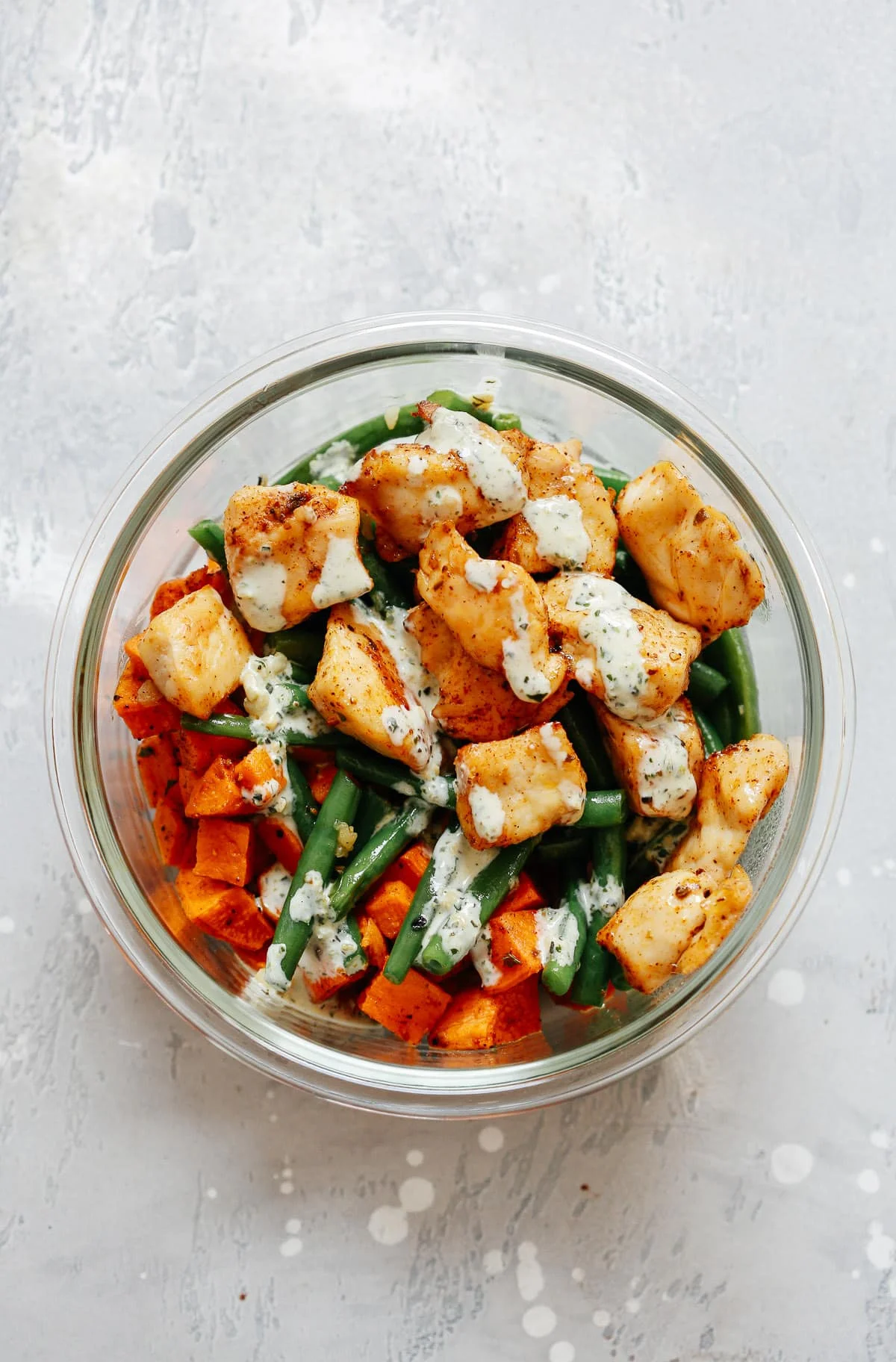
Busy weeknights often leave little room for preparing nutritious meals. The common reliance on quick fixes or takeout can lead to unbalanced nutrition and low energy levels. Balanced dinners, which combine proteins, vegetables, grains, and healthy fats, provide the body with essential nutrients to sustain evening activities and promote restful sleep. Preparing balanced meals ahead of time reduces stress and helps maintain consistent healthy eating habits despite a hectic schedule.
The Role of Seasonal Vegetables in Healthy Eating
Incorporating seasonal vegetables into your meal prep adds variety and nutrition to your dinner table. Seasonal produce tends to be fresher, tastier, and more affordable than out-of-season options. It also promotes eating in harmony with nature’s rhythms, which can enhance the nutritional value of your meals and support sustainable food choices. Seasonal vegetables offer rich sources of vitamins, minerals, and antioxidants that contribute to overall wellbeing.
Understanding Seasonal Vegetables
Identifying Vegetables by Season
One challenge in using seasonal vegetables is knowing which ones are best at different times of the year. Spring often brings tender greens like asparagus, peas, and radishes, while summer yields tomatoes, zucchini, and bell peppers. Fall introduces root vegetables and squashes, and winter highlights hearty options like kale, Brussels sprouts, and carrots. Recognizing these patterns allows you to plan meals that leverage the freshest produce available.
Benefits of Using Seasonal Produce in Meal Prep
Using seasonal vegetables improves flavor and nutrition since produce harvested at its peak contains more vitamins and antioxidants. Additionally, seasonal choices tend to be less expensive and support local farmers and markets. This lowers the environmental impact compared to imported or greenhouse-grown vegetables. Meal prepping with these ingredients helps you enjoy the best quality food while aligning with health and sustainability goals.
Steps to Plan Your Balanced Dinners
Setting Up Your Weekly Meal Prep Schedule
The core of efficient meal prep lies in having a reliable schedule. Dedicate a consistent time each week, such as Sunday afternoon, to plan and prepare your dinners. During this time, decide on your recipes, create a shopping list centered on seasonal vegetables, and allocate time for cooking and storing. Without a set routine, meals can become last-minute decisions that compromise their quality and balance.
Choosing Protein Sources to Complement Vegetables
Balanced dinners need a quality protein source to complement the vegetables. Consider lean meats, fish, legumes, tofu, or eggs depending on your dietary preferences. Proteins not only support muscle repair but also help you feel full longer. Pairing seasonal vegetables with these proteins creates satiating meals that provide essential amino acids and maintain energy levels throughout the evening.
Incorporating Whole Grains and Healthy Fats
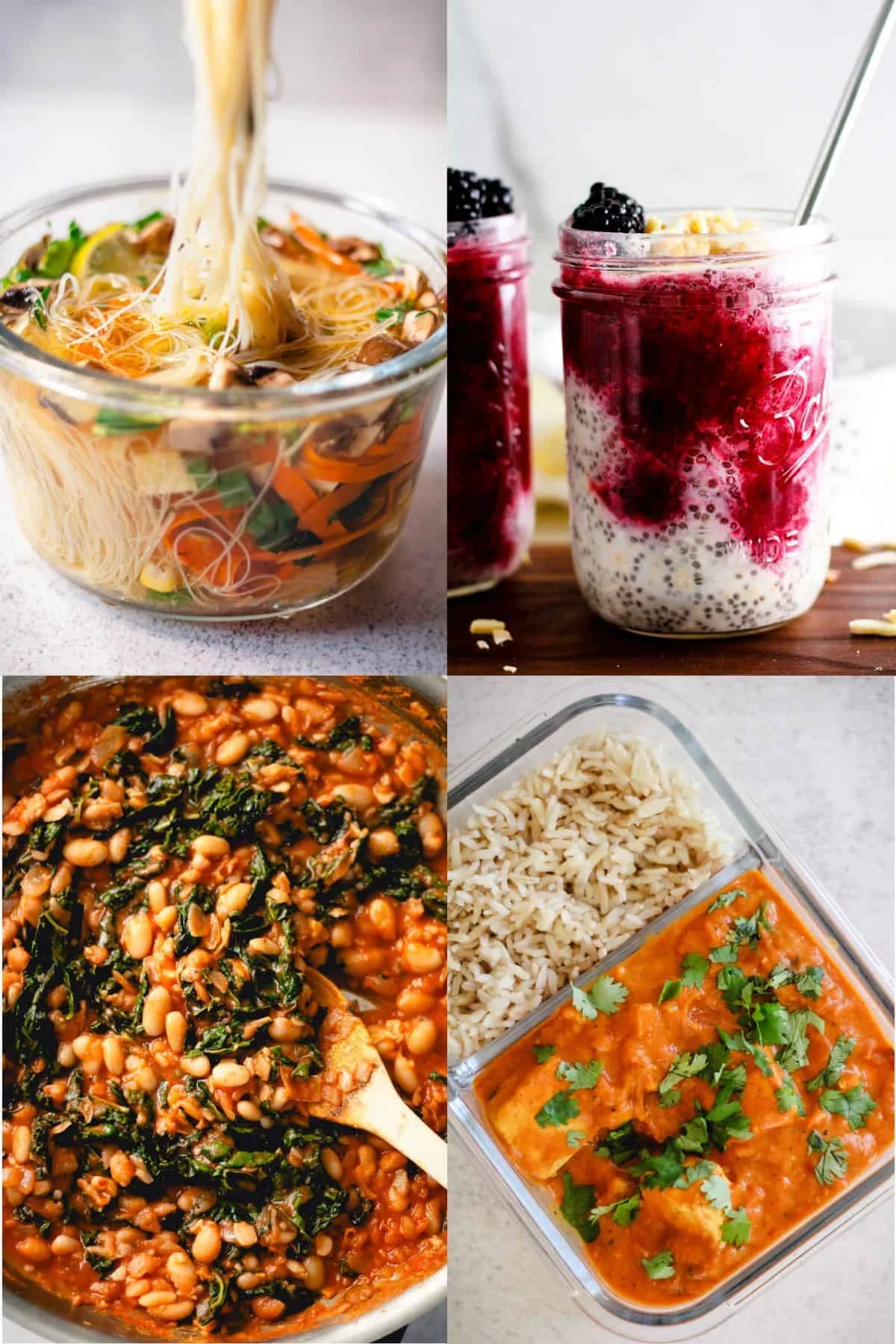
Whole grains like quinoa, brown rice, or farro add fiber and complex carbohydrates necessary for sustained energy. They also contribute to digestive health, especially when combined with fibrous vegetables. Healthy fats, from sources such as olive oil, avocados, or nuts, enhance flavor and facilitate absorption of fat-soluble vitamins found in vegetables. Including these elements ensures your dinner is nutrient-dense and balanced.
Practical Meal Prep Techniques
Efficient Washing, Chopping, and Storing Tips
One common obstacle to meal prep is the time required for washing and chopping vegetables. To streamline this, wash all your vegetables at once using cold water and a vegetable brush for those with thicker skins. Chop according to your planned recipes and store portions in airtight containers to maintain freshness. Labeling containers with dates helps prevent spoilage. Proper storage includes refrigeration for most vegetables but freezing works well for items like corn or peas intended for later use.
Batch Cooking vs. Individual Portions
Deciding between batch cooking and preparing individual portions depends on your lifestyle and preferences. Batch cooking involves making large quantities that can be divided and reheated throughout the week, saving time but sometimes risking repetitive meals. Individual portion prep offers variety and control but requires more planning and storage space. Experiment with both methods to find a balance that fits your needs while keeping meals fresh and appealing.
Using Recipes That Maximize Seasonal Veggies
Select recipes that highlight seasonal vegetables rather than overshadow them with heavy sauces or complex ingredients. Stir-fries, roasted vegetable medleys, grain bowls, and soups are excellent choices. These dishes allow the natural flavors and colors of vegetables to shine and are often quick to prepare in bulk. Focusing on simple seasoning and cooking techniques preserves nutrients and helps you enjoy the true benefits of seasonal produce.
Sample Meal Prep Ideas for Each Season
Spring: Light and Fresh Dinner Options
Spring meals can include asparagus and pea risotto, mixed green salads with radishes and herbs, or grilled chicken served with roasted early new potatoes and seasonal greens. These lighter meals align with the body’s transition out of winter and support renewed energy and vitality.
Summer: Vibrant and Cooling Meals
Summer dinners often utilize tomatoes, zucchini, cucumbers, and peppers in dishes like quinoa salad with grilled vegetables, chilled gazpacho soup, or fish tacos topped with fresh salsa. These options help balance the heat of summer and provide hydration through high-water-content vegetables.
Fall: Hearty and Warm Dishes
Fall recipes benefit from root vegetables and squashes. Try roasted butternut squash with lentils, hearty vegetable stews with carrots and parsnips, or stuffed peppers filled with wild rice and mushrooms. Such meals provide warmth and nourishment as temperatures drop.
Winter: Comforting and Nourishing Plates
Winter meals focus on dense nutrients and comfort, using kale, Brussels sprouts, sweet potatoes, and cabbage. Slow-cooked braised dishes, thick vegetable soups, and baked dishes with root vegetables offer satisfying and nutrient-rich dinners to ward off cold weather fatigue.
Maximizing Time and Flavor in Busy Weeknight Dinners
Quick Cooking Tips to Save Time
One frequent hurdle is saving time while maintaining flavor. Techniques like roasting vegetables on a sheet pan, using pressure cookers for grains and proteins, and pre-marinating proteins can significantly speed up cooking. Utilizing fresh herbs and citrus zest can elevate dishes quickly without complicated steps, allowing you to prepare satisfying meals in under 30 minutes.
Meal Presentation and Reheating Best Practices
Reheating prepped meals can affect texture and taste. To preserve freshness, separate sauces or dressings to add after reheating. Use microwave-safe containers with vents or reheat on the stovetop for better control. Garnishing with fresh herbs or a squeeze of lemon before serving restores vibrancy and makes reheated meals more appetizing.
Conclusion: Making Balanced Meal Prep a Habit
Transforming dinner into a balanced, seasonal, and stress-free experience starts with planning and using the natural bounty of the seasons. By understanding the importance of balanced nutrition, leveraging the benefits of seasonal vegetables, and applying efficient prep techniques, you can consistently enjoy healthy dinners on your busiest nights. Making meal prep a habit not only improves health but also frees up mental space, allowing you to focus on what matters most after a long day.