Introduction to Efficient Healthy Meal Prepping
Why Meal Prep Matters on Busy Weeknights
Meal prepping has become an essential strategy for those leading hectic lives, especially when it comes to dinner. On busy weeknights, time is often limited, and reaching for unhealthy or expensive takeout can be tempting. Preparing meals ahead not only saves time but also helps maintain a balanced diet. When dinners are pre-planned and partially prepared, the stress of last-minute cooking diminishes, allowing for more relaxed evenings and healthier eating choices.
The Challenge of Avoiding Repetitive Meals
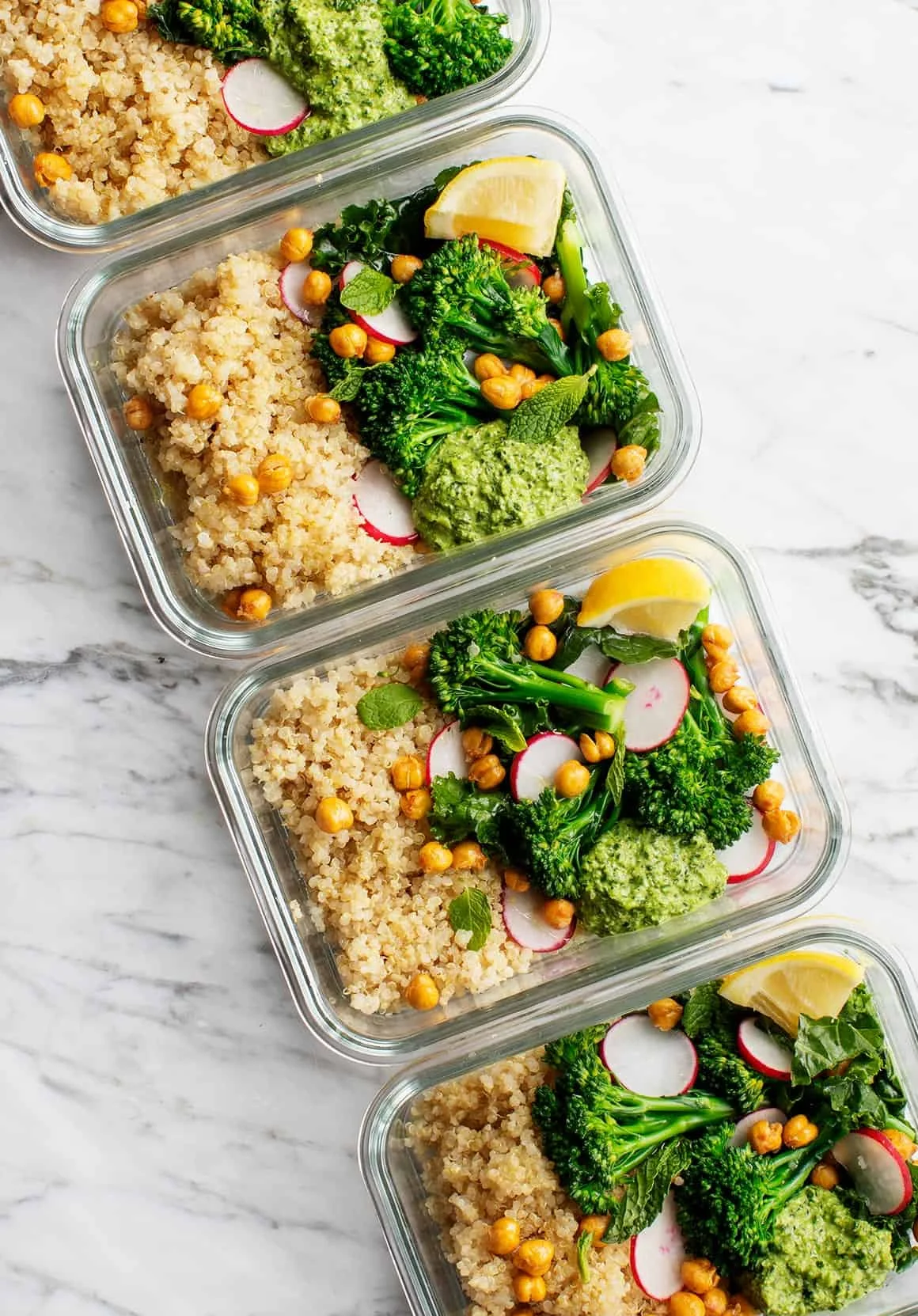
One common hurdle in meal prepping is the tendency to fall into a repetitive cycle of eating the same dishes. Eating identical meals repeatedly can lead to boredom, which may reduce the motivation to stick with healthy habits. This challenge often stems from a limited list of favorite recipes or a lack of planning variety. Overcoming this requires intentional strategies to diversify ingredients and recipes, ensuring that the weekly menu remains exciting and nutritious without feeling overwhelming.
Planning Your Weekly Dinner Menu Strategically
Incorporating Variety with Seasonal Ingredients
Seasonal ingredients offer a natural pathway to variety and freshness. When you plan your weekly dinners around what’s in season, you benefit from both the peak flavors and nutritional value of produce. Additionally, seasonal items tend to be more affordable and environmentally friendly. Start by reviewing local markets or grocery stores for current seasonal offerings and base your menu around them to keep meals distinct and aligned with the time of year.
Balancing Nutrition Across Different Dishes
A well-rounded weekly menu should aim to balance macronutrients and micronutrients across meals. For example, if one dinner is rich in carbohydrates, the next could emphasize lean protein and vegetables. This strategic balancing ensures diverse nutrient intake and supports overall health. Planning meals this way involves understanding the basic nutritional contributions of each ingredient and intentionally pairing foods to complement each other.
Using a Meal Prep Calendar for Organization
To stay organized and thoughtful about variety, using a meal prep calendar is highly effective. This tool allows you to visually arrange your dinners throughout the week, marking which meals have overlapping ingredients or similar cooking methods. The calendar helps prevent accidental repetition and clarifies shopping needs. Alleviating guesswork contributes to more efficient preparation and consistent mealtimes.
Prep Techniques to Save Time and Maintain Freshness
Batch Cooking Proteins and Grains
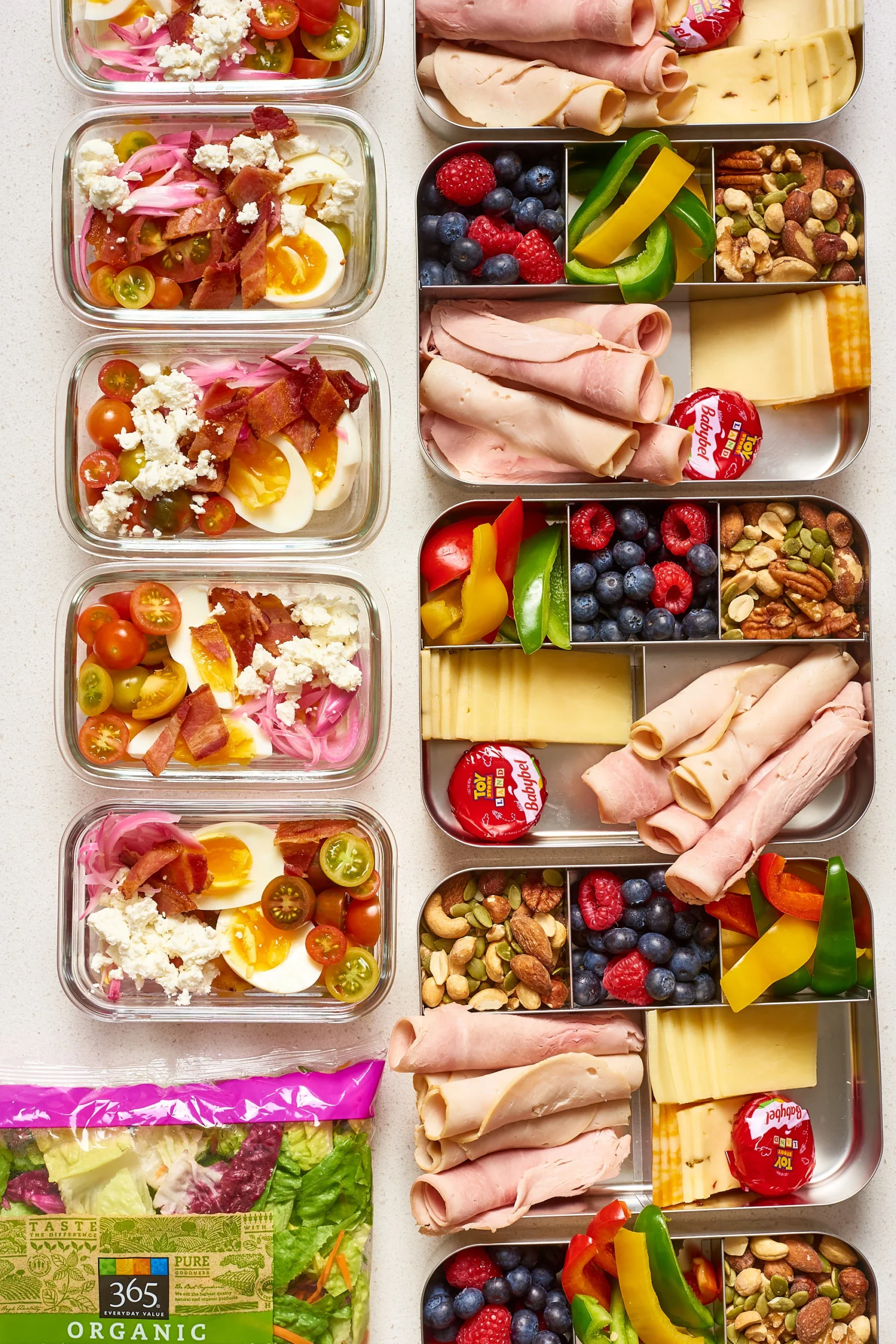
Batch cooking proteins such as chicken, tofu, or legumes, along with grains like quinoa or brown rice, lays a strong foundation for multiple meals. By cooking these staples in larger quantities at once, you reduce daily cooking demands. Portioning them into meal-sized containers allows quick assembly of dinners and keeps ingredients fresh longer when stored properly.
Pre-chopping Vegetables and Preparing Sauces
Another time-saving approach involves pre-chopping vegetables and preparing sauces in advance. Chopped veggies can be stored in airtight containers and used as needed, cutting down on prep time each evening. Similarly, homemade sauces or dressings kept refrigerated add flavor to dishes with minimal effort. This preparation facilitates speedy meal assembly without sacrificing taste or nutritional benefits.
Storage Tips to Keep Meals Appealing Throughout the Week
Proper storage is key to maintaining the appeal and safety of prepped meals. Using containers that seal well prevents moisture and odor transfer, which helps preserve the texture and flavor of ingredients. Labeling meals with preparation dates ensures freshness is monitored. Additionally, storing components separately when appropriate, such as keeping crisp greens apart from wet items, helps avoid sogginess and maintains quality throughout the week.
Creative Recipe Ideas for Diverse Dinner Options
International Flavors to Spark Variety
Exploring international cuisines is an excellent way to introduce variety without complicating meal prep. Dishes inspired by Mediterranean, Asian, Latin American, or Middle Eastern flavors often rely on simple, wholesome ingredients arranged in unique combinations and spices. Trying different herbs, sauces, and cooking methods can turn familiar components into exciting new meals, keeping dinners interesting and culturally rich.
One-Pot and Sheet Pan Meals for Easy Cleanup
One-pot and sheet pan meals are popular for their convenience and minimal cleanup, making them ideal for busy weeknights. These recipes involve cooking proteins, vegetables, and sometimes grains together in a single vessel. This technique not only saves time on washing dishes but also allows flavors to meld beautifully. Incorporating these meals into your prep rotation can simplify cooking while still delivering delicious results.
Using Leftovers Innovatively to Create New Meals
Leftovers can be transformed into entirely new dinners with a touch of creativity. For example, roasted vegetables from one night can be blended into soups or combined with fresh greens for a salad the next day. Grilled protein can be sliced for wraps or tossed into stir-fries. This approach reduces waste and introduces diversity, turning previous meals into fresh experiences without additional heavy cooking.
Tools and Gadgets That Enhance Your Meal Prep
Essential Kitchen Equipment for Efficiency
Investing in key kitchen tools can dramatically improve meal prep efficiency. Items such as sharp knives, cutting boards, slow cookers, and food processors facilitate faster and safer preparation. These gadgets reduce physical effort and time required to handle ingredients, allowing more precise cooking and consistent results. Selecting equipment tailored to your preferred meals boosts overall productivity in the kitchen.
Smart Storage Containers to Prevent Meal Mixing
Choosing smart storage containers designed for meal prepping aids in organization and meal freshness. Containers with compartmentalized sections help keep different foods separated, preventing flavor mixing and sogginess. Clear lids or color-coded sets make identifying meals quick and easy, eliminating confusion during busy evenings. Stain- and odor-resistant materials also contribute to maintaining food quality over multiple uses.
Maintaining Motivation and Consistency
Setting Realistic Meal Prep Goals
Establishing achievable goals for meal prepping is crucial to sustaining motivation. Starting with modest targets, such as prepping dinners for three nights a week, prevents burnout and fosters good habits. Gradually increasing meal prep frequency or variety as confidence grows encourages a positive relationship with cooking and nutrition. Realistic planning respects individual time constraints and personal preferences, making consistency attainable.
Tracking Progress and Adjusting Plans
Keeping track of what works and what doesn’t in your meal prepping routine supports ongoing improvement. Maintaining a simple journal or digital note about favorite meals, preparation times, and any challenges helps identify patterns. Adjusting plans based on this feedback optimizes your strategy and brings more enjoyment to the process. Flexibility in adapting to changing schedules or tastes ensures that meal prepping remains a sustainable and rewarding practice.