Understanding Gluten-Free Baking Essentials
Why Choose Gluten-Free Muffins?
Opting for gluten-free muffins has become a popular choice for many, not only for those with gluten sensitivities or celiac disease but also for individuals seeking alternative dietary options. Gluten-free muffins can offer a nutritious and satisfying treat without the digestive discomfort that gluten sometimes causes. Moreover, embracing gluten-free baking encourages diversifying ingredients, which can boost nutritional variety.
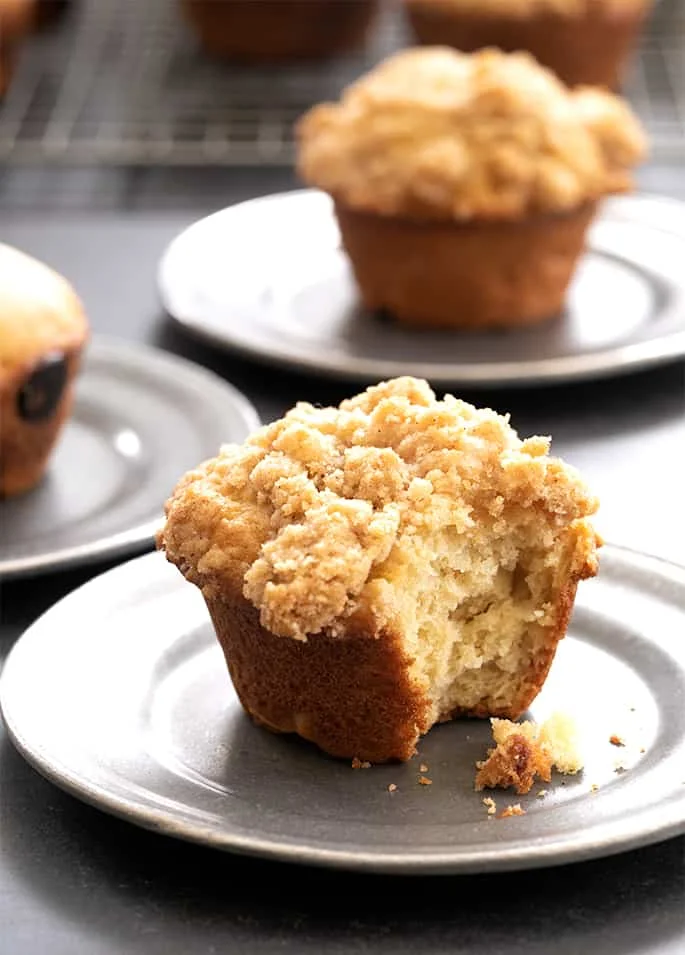
Choosing gluten-free muffins allows you to enjoy classic baked goods while catering to specific dietary needs, making them inclusive for friends and family with gluten restrictions. This relevance has elevated gluten-free muffins from niche recipes to well-loved staples in many kitchens.
Common Challenges in Gluten-Free Baking
Gluten plays a crucial role in traditional baking by providing structure and elasticity. When it is removed, the texture of baked goods like muffins can be affected, often resulting in dryness or crumbliness. This is a frequent hurdle bakers encounter when transitioning to gluten-free recipes.
Other issues include difficulty in achieving the right rise, uneven crumb, or a gritty mouthfeel. Each gluten-free flour behaves differently, and understanding how to balance ingredients to replicate the qualities gluten provides is essential for successful baking.
Ingredients That Ensure Moisture and Nutrition
Best Gluten-Free Flour Alternatives
Selecting the right flour is a foundational step to achieving moist and delicious muffins. Common gluten-free options include almond flour, coconut flour, rice flour, and oat flour, each contributing unique textures and flavors. For instance, almond flour brings natural fats and a rich taste, while oat flour can add a slightly sweet and hearty profile.
Often, blending multiple flours yields better results, as it combines their strengths. For example, combining rice flour with a bit of tapioca or potato starch can imitate gluten’s binding properties more effectively.
Moisture-Rich Additives: Oils, Fruits, and Vegetables
Moisture is key to preventing dryness in gluten-free muffins. Incorporating ingredients like applesauce, mashed bananas, yogurt, or grated zucchini can add hydration and tenderness. These natural boosters not only keep muffins moist but also enhance their nutritional value.
Using healthy oils such as olive oil, coconut oil, or avocado oil also helps lock in moisture. Unlike butter, oils remain liquid at room temperature, which can contribute to a softer crumb. Balancing these moisture-rich elements is vital to avoid overly wet batter or dense texture.
Natural Sweeteners and Their Benefits
Choosing natural sweeteners such as honey, maple syrup, or coconut sugar can elevate the flavor profile while providing some nutritional benefits compared to refined sugars. These sweeteners often contain trace vitamins, minerals, or antioxidants.
They also tend to retain moisture better, which can improve the overall texture of the muffins. Adjusting the sweetness and moisture contribution of these ingredients requires attention, as each behaves differently during baking.
Step-by-Step Preparation Process
Prepping Your Workspace and Ingredients
Begin by gathering all your ingredients and measuring them accurately. Having everything ready simplifies the baking process and helps maintain consistency. Clean your workspace thoroughly to avoid contamination, especially important when baking gluten-free.
Preheat your oven to the recommended temperature early, ensuring even heat distribution. Line your muffin tins with paper liners or grease them to prevent sticking while providing ease of removal.
Mixing Techniques for Optimal Texture
When combining ingredients, start by mixing all dry components separately. This includes your gluten-free flours, leavening agents, and any spices. Separately, whisk together wet ingredients like eggs, oils, and liquids. Gradually incorporate wet ingredients into dry, mixing gently to avoid overworking the batter, which can lead to toughness.
The batter should be well combined but not overly smooth. Small lumps are acceptable and can contribute to a tender crumb. Using a spatula or wooden spoon, fold in fruits, nuts, or other additions carefully to distribute them evenly without deflating the mixture.
Choosing the Right Baking Temperature and Time
Gluten-free muffins often benefit from baking at a slightly lower temperature for a longer period. This allows them to cook through without drying out. A typical range is 325°F to 350°F (around 160°C to 175°C), depending on your oven and recipe specifics.
Begin checking for doneness a few minutes before the suggested time using a toothpick inserted into the center. If it comes out clean or with a few moist crumbs, the muffins are ready. Cooling them in the pan briefly before transferring to a wire rack helps maintain structure and moisture.
Troubleshooting and Tips for Perfect Muffins
How to Prevent Dryness in Gluten-Free Muffins
A common pitfall is overbaking, which quickly dries out gluten-free muffins due to their lack of gluten’s moisture retention. Monitoring baking time carefully and testing for doneness early helps avoid this issue. Additionally, including moisture-rich ingredients like fruits or oils, as mentioned, is crucial.
Another aspect is not letting the batter sit too long before baking, which can cause the leavening agents to lose effectiveness and result in dense, dry muffins. Baking immediately after mixing helps preserve rise and texture.
Storage Solutions to Maintain Freshness
Proper storage extends the life of your muffins and keeps them enjoyable. Store cooled muffins in an airtight container at room temperature to maintain softness. For longer preservation, refrigeration slows spoilage but can dry muffins unless they are well-sealed.
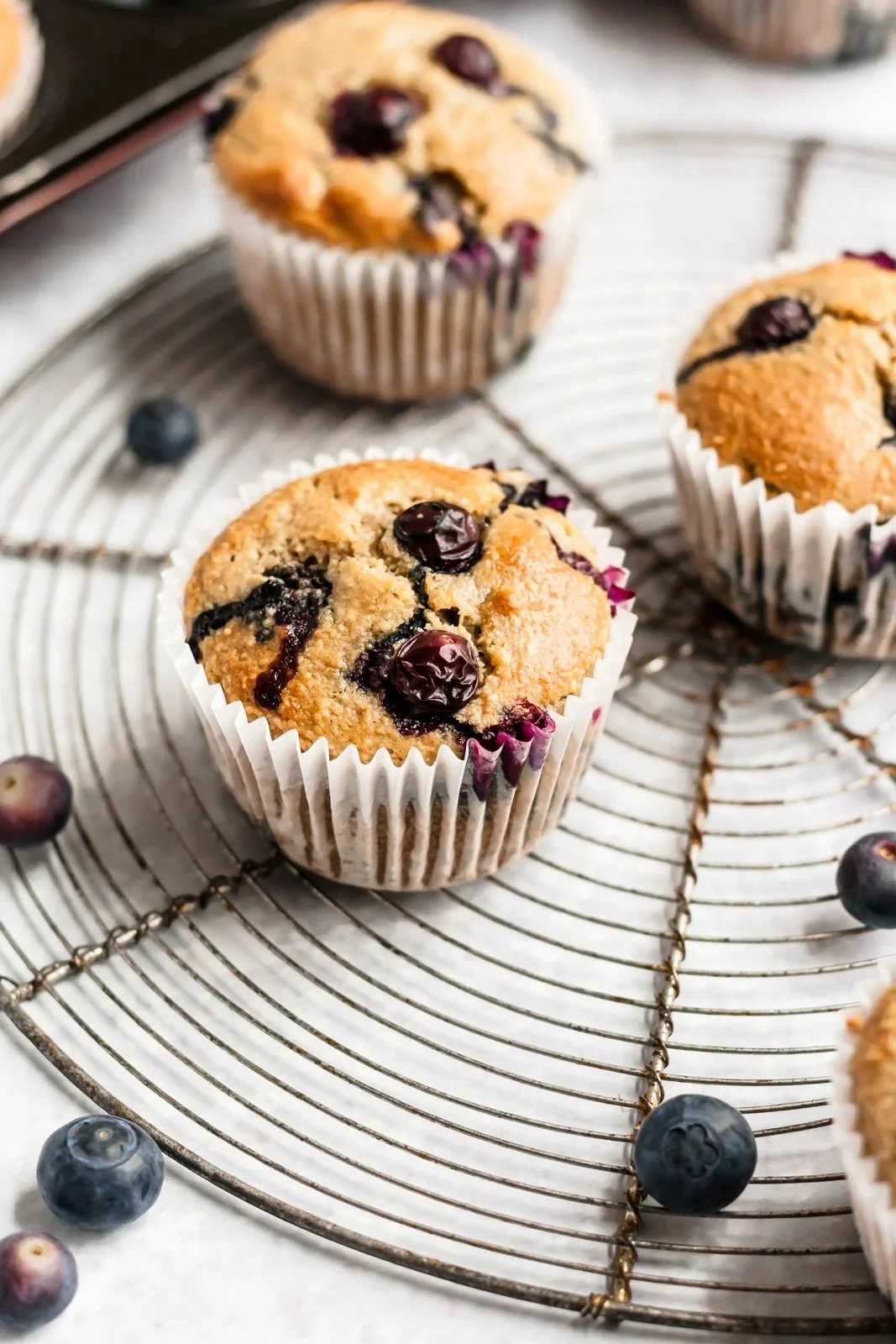
Freezing is an excellent option for batch baking. Wrap each muffin individually or place them in a freezer-safe bag. When ready to eat, thaw them at room temperature or warm briefly to restore moisture and freshness.
Delicious Gluten-Free Muffin Recipe to Try Today
Detailed Ingredient List
Begin your baking adventure with a simple, reliable ingredient list designed to yield moist muffins. Use a blend of 1 cup almond flour and ½ cup oat flour for structure, ½ teaspoon baking soda, ½ teaspoon baking powder, and a pinch of salt for leavening. For moisture, incorporate 2 medium ripe bananas, mashed, along with ¼ cup coconut oil. Add 2 eggs, ¼ cup honey for sweetness, and 1 teaspoon vanilla extract.
Optionally, fold in ½ cup blueberries or chopped nuts for additional flavor and texture.
Stepwise Baking Instructions
Start by preheating your oven to 350°F (175°C) and preparing your muffin tins. In a large bowl, whisk together the flours, baking soda, baking powder, and salt. In another bowl, combine mashed bananas, eggs, melted coconut oil, honey, and vanilla extract.
Gradually mix the wet ingredients into the dry, stirring gently until just combined. Fold in any add-ins carefully. Spoon the batter evenly into muffin cups, filling them about two-thirds full to allow room for rising.
Bake for 18 to 22 minutes, checking doneness near the end. Let the muffins cool in the pan for 5 minutes before transferring them to a rack. Enjoy warm or store as needed.
Enhancing Your Muffins with Flavors and Toppings
Incorporating Nuts, Seeds, and Spices
Adding nuts and seeds such as walnuts, pecans, chia, or flaxseeds introduces a delightful crunch and nutritional boost. These ingredients also bring healthy fats and fiber, contributing to the overall health profile of your muffins.
Spices like cinnamon, nutmeg, or cardamom enhance flavor complexity and warmth. Incorporate these during the dry ingredient mixing stage to distribute flavors evenly throughout the batter.
Gluten-Free Friendly Glazes and Icing Options
To add a finishing touch, consider simple glazes made from natural ingredients like powdered sugar mixed with a splash of lemon juice or almond milk. These options are easy to prepare and complement the muffin’s natural sweetness without compromising gluten-free standards.
For those seeking a richer topping, coconut cream whipped lightly with a bit of vanilla can be a luscious choice that remains aligned with a gluten-free diet. Experimenting with these toppings allows customization and elevates your muffin experience.