Understanding Quinoa: The Nutritional Powerhouse
What Is Quinoa?
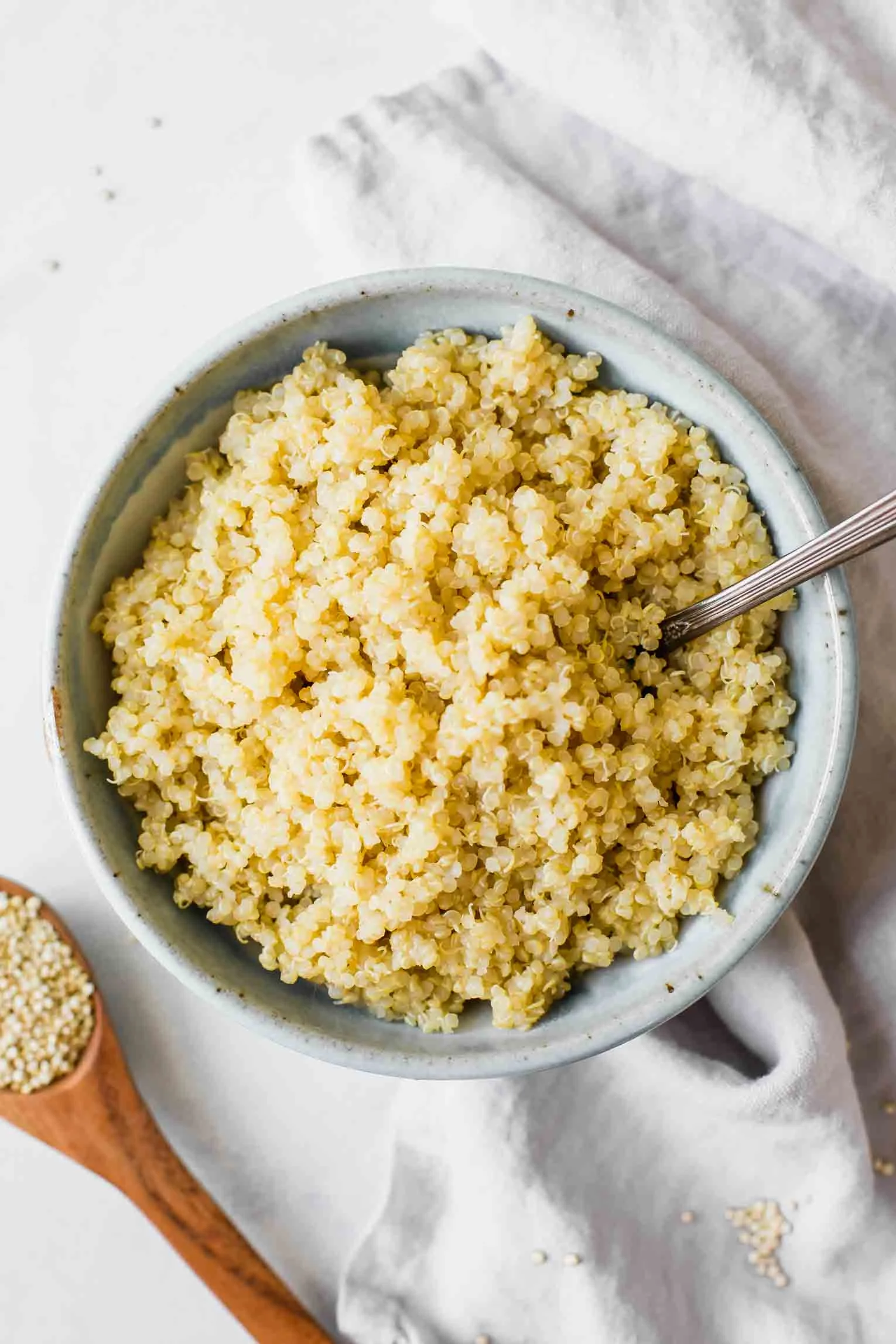
Quinoa is a small seed that has gained global popularity as a nutrient-dense alternative to grains. Often mistaken for a grain, it actually belongs to the chenopod family, related to spinach and beets. Thanks to its unique texture and mild, slightly nutty flavor, quinoa stands out as a versatile ingredient in various cuisines.
Health Benefits of Quinoa
One major reason quinoa continues to rise in popularity is its impressive nutritional profile. It is a complete protein, offering all nine essential amino acids, making it a valuable option for vegetarians and vegans. Additionally, quinoa is rich in fiber, vitamins like B-complex and E, and minerals such as magnesium, iron, and potassium. These nutrients support heart health, promote digestion, and help maintain steady blood sugar levels, enhancing overall well-being.
Different Varieties and Their Uses
Quinoa comes in several colors, including white, red, and black. White quinoa is the most common and typically has the lightest texture, suitable for salads or as a rice substitute. Red quinoa remains firmer after cooking, making it ideal for cold dishes where texture is key. Black quinoa offers an earthier flavor and is often used in robust, savory meals. Understanding these differences can elevate how you incorporate quinoa into your recipes.
Preparation Essentials Before Cooking
How to Rinse Quinoa Properly
A critical step often overlooked is rinsing quinoa before cooking. Quinoa seeds have a natural coating called saponin that can impart bitterness if not removed. To rinse effectively, place the quinoa in a fine-mesh strainer and run cold water over it for about 30 seconds while stirring gently. This simple process significantly improves the final flavor and makes your dish more pleasant to eat.
Required Tools and Equipment
Preparing quinoa doesn’t require elaborate kitchen tools. A basic saucepan with a lid is sufficient for stovetop cooking, but you may also use a rice cooker or an Instant Pot for convenience. A fine-mesh strainer is essential for rinsing, and a fork helps to fluff quinoa after cooking. Having these items ready ensures a smooth cooking process and consistent results.
Mastering the Cooking Process
Water-to-Quinoa Ratio Explained
One of the most important factors in cooking perfect quinoa is understanding the water-to-quinoa ratio. Generally, a 2:1 ratio of water to quinoa works well—meaning two cups of water for every one cup of quinoa. This ensures the seeds absorb enough moisture to become tender without turning mushy. Adjusting water slightly based on the cooking method and quinoa variety can refine the texture further.
Cooking Techniques: Stovetop, Rice Cooker, and Instant Pot
The stovetop remains the traditional method: bring water to a boil, add the quinoa, reduce to a simmer, cover, and cook for about 15 minutes. A rice cooker simplifies this by automating the process; just add rinsed quinoa and water, then press start. Using an Instant Pot can speed things up—set it to high pressure for 1 minute and allow a natural pressure release. Each method yields slightly different textures but all can achieve fluffy, well-cooked quinoa with practice.
Timing: How Long Should Quinoa Cook?
Timing is crucial to avoid undercooked or overcooked quinoa. Typically, cooking on the stovetop takes around 15 minutes, followed by a 5-minute resting period off the heat. Rice cookers usually take a similar time, while Instant Pots drastically reduce cooking time but require additional time for pressure buildup and release. Understanding these timing nuances helps you anticipate when your quinoa will be ready.
Post-Cooking Tips for Perfect Texture
Fluffing and Resting Quinoa
Once cooking is complete, allow quinoa to rest covered for about 5 minutes. This helps excess moisture absorb evenly. After resting, fluff the quinoa gently using a fork rather than stirring vigorously. Fluffing separates the grains and enhances the light, fluffy texture that makes quinoa so enjoyable. Skipping this step may result in clumpy or sticky quinoa.
Common Mistakes to Avoid
Avoid common pitfalls like skipping the rinse, which leads to bitterness, or adding too much water, causing mushiness. Another frequent mistake is lifting the lid too early during cooking, which interrupts the steaming process. Finally, not allowing resting and fluffing can produce a dense, compact dish rather than the desirable fluffy texture.
Creative Ways to Serve and Store Quinoa
Flavoring and Combining Quinoa
Quinoa’s mild flavor makes it a perfect canvas for various seasonings and ingredients. You can cook it in broth instead of water to add depth, toss in fresh herbs, lemon zest, or spices after cooking for a flavor boost. It pairs wonderfully with vegetables, beans, nuts, and cheeses in salads, bowls, or warm dishes. Experimenting with different flavors keeps quinoa exciting and versatile in your meals.
Storage Best Practices
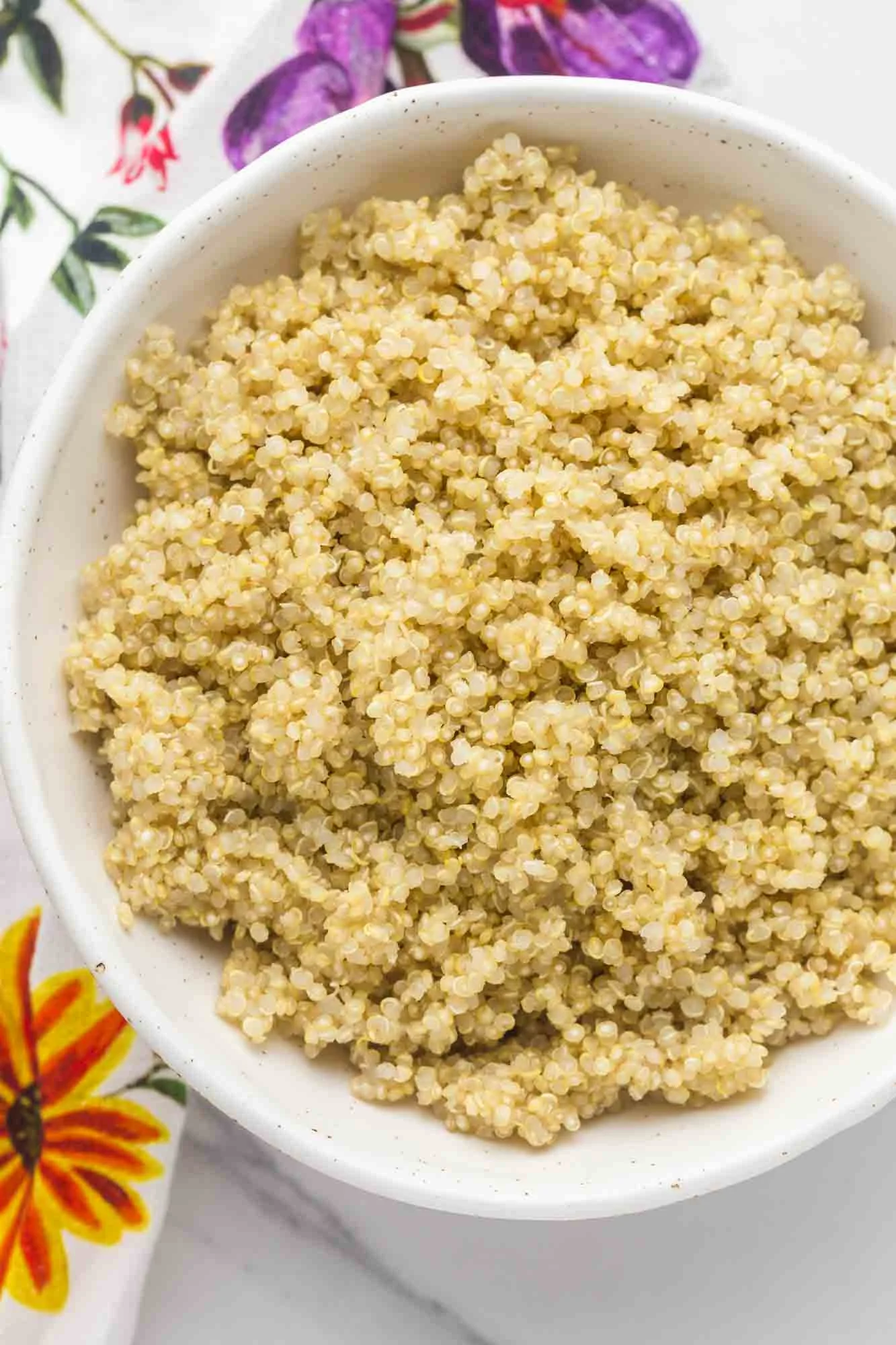
To maximize freshness, store cooked quinoa in an airtight container in the refrigerator. It will typically stay good for up to five days. For longer storage, freezing cooked quinoa works well—portion it into freezer-safe bags and thaw as needed. Proper storage helps maintain the texture and prevents spoilage, making it convenient for meal prep and quick meals.
Quick Troubleshooting Guide
Why Is My Quinoa Too Crunchy or Mushy?
If your quinoa is crunchy, it likely means it needs more cooking time or water. Try adding a bit more water and extend cooking by a few minutes, allowing it to absorb fully. On the other hand, mushy quinoa usually results from excess water or overcooking. You can reduce water slightly next time and monitor cooking duration closely to avoid this texture.
How to Salvage Overcooked Quinoa
Even if quinoa becomes overcooked and mushy, you can still use it creatively. Turn it into a base for patties by mixing with eggs and breadcrumbs or use it as an ingredient in soups and stews where texture is less important. Adding a bit of acidity, like lemon juice or vinegar, can help brighten the flavor and mask some of the mushiness, making it more palatable.