Understanding Bitterness in Coffee
Chemical Compounds Responsible for Bitterness
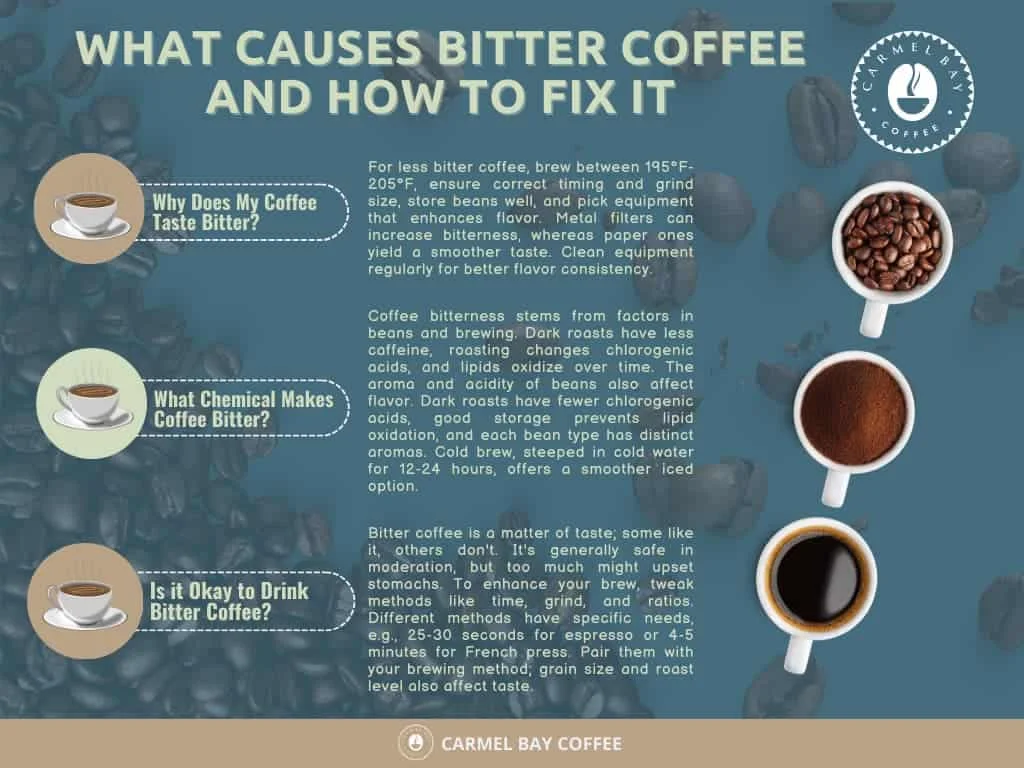
Bitterness in coffee primarily comes from compounds like caffeine, chlorogenic acids, and quinic acid. These develop naturally during roasting and extraction. Darker roasts tend to contain more bitter compounds due to longer exposure to heat. When coffee brews, these substances dissolve into the water, shaping the overall flavor profile.
How Brewing Methods Influence Bitterness
The way coffee is brewed greatly affects bitterness levels. Over-extraction, often caused by brewing too long or using water that’s too hot, pulls excessive bitter compounds from the grounds. Conversely, under-extraction might result in sour or weak flavors. Methods like espresso, drip, and French press each extract differently, so understanding how brewing impacts bitterness is key to control.
Kitchen Chemistry Basics for Coffee
pH Levels and Their Effects on Flavor
Coffee’s pH typically ranges from 4.5 to 6, making it somewhat acidic. Acidic compounds contribute brightness, but excess acidity intensifies bitterness. Adjusting pH closer to neutral minimizes harshness and highlights smoother notes. Simple kitchen chemistry lets you gently alter this balance for a better cup.
Reactions Between Coffee and Common Kitchen Ingredients
Adding certain kitchen staples can chemically modify coffee’s taste. Ingredients like salt, baking soda, and dairy cause reactions that soften bitterness. Salt masks bitterness through taste receptor interaction, while baking soda raises pH to neutralize acidity. Dairy proteins bind with bitter compounds, reducing their perception on the palate.
Simple Techniques to Reduce Bitterness
Adjusting Brewing Time and Temperature
One of the easiest ways to cut bitterness is by controlling brewing parameters. Lowering water temperature below 205°F and shortening brew time limits over-extraction. Cold water or slightly cooler hot water pulls fewer bitter compounds, preserving natural sweetness. Experimenting with these variables often delivers a smoother result.
Using Alkaline Additives to Neutralize Acidity
Introducing alkaline substances like a pinch of baking soda can neutralize excessive acidity, which often correlates with bitterness. Just a small amount balances pH and softens harsh flavors without noticeable alteration. It’s important to add cautiously to avoid an undesirable soapy taste.
Incorporating Salt or Baking Soda: How and When
A minimal sprinkle of salt during brewing reduces bitterness by blocking bitter taste receptors. Baking soda, added sparingly, adjusts acidity chemically. Using these additives works best in darker roasts or when bitterness results from brewing errors. Always start with tiny amounts and adjust according to taste.
Experimenting with Ingredients for a Smoother Cup
Adding Dairy and Non-Dairy Creamers: Chemistry in Action
Dairy ingredients contain proteins that interact with bitter molecules, muting their impact. Creamers, whether milk, cream, or plant-based alternatives, also add fats that round out flavor. Experimentation with different types and amounts highlights how chemistry alters the tasting experience subtly yet effectively.
Sweeteners and Bitterness: Finding the Right Balance
Sweetness counteracts bitterness by activating opposing taste receptors. Using sugar, honey, or natural sweeteners balances harshness and accentuates pleasant notes. However, over-sweetening can mask coffee’s character, so it’s best to add just enough to complement rather than overwhelm.
Advanced Tips: Modifying Coffee Chemistry at Home
Pre-Soaking Coffee Grounds to Reduce Bitter Compounds
Pre-soaking grounds briefly with cold water before brewing helps dissolve some bitter acids early, which can then be discarded. This technique lessens the concentration of harsh compounds during the main extraction. It requires a bit of patience but can yield a more refined flavor.
Cold Brew as a Method to Minimize Bitterness
Cold brewing uses prolonged steeping at room temperature or below, extracting fewer bitter compounds. This method produces a naturally smoother, less acidic coffee. It demands time but provides a gentle alternative to hot brewing for bitterness-sensitive drinkers.
Conclusion: Mastering Coffee Taste Through Kitchen Science
Bitterness in coffee need not be a barrier to enjoyment. Understanding the chemistry behind flavor and applying simple kitchen techniques lets you tailor the taste to your preference. Adjusting brewing conditions, experimenting with additives, and exploring innovative processes like cold brew empower you to create a smoother, more satisfying cup at home. With mindful effort, mastering coffee’s complexities becomes an achievable, enjoyable science.