Introduction to Sous Vide Cooking
What is Sous Vide?
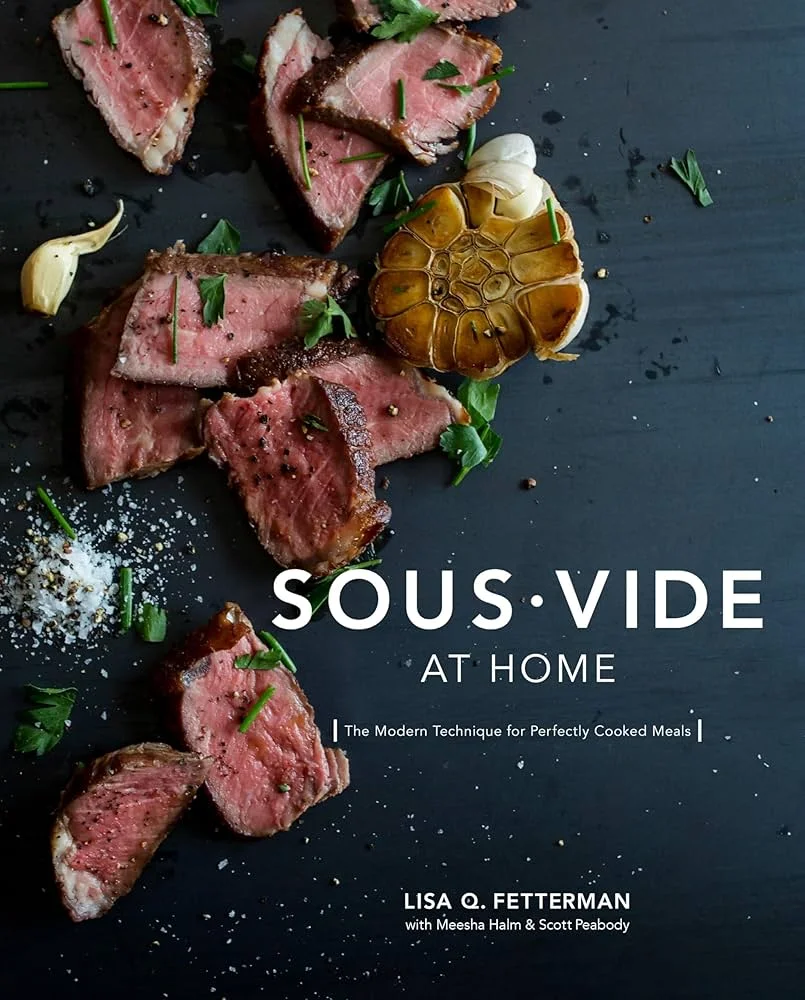
Sous vide, a French term meaning “under vacuum,” is a cooking technique where food is sealed in airtight bags and cooked in a water bath at a precisely controlled temperature. Unlike traditional cooking methods that rely on high heat, sous vide gently cooks meat over a longer period, ensuring perfect doneness edge to edge. Imagine preparing a steak that’s medium-rare throughout, never overcooked on the edges or raw in the center—this precision is what sous vide delivers.
History and Popularity in Home Kitchens
Originally used by professional chefs to enhance texture and flavor, sous vide has recently experienced a surge in home use thanks to affordable immersion circulators and vacuum sealers. Once a technique reserved for Michelin-starred restaurants, it’s now possible for anyone to replicate those restaurant-quality results at home. For example, Jessica, a busy mom from Chicago, swears by sous vide to prepare perfectly cooked chicken breasts for her family with minimal effort or stress.
Essential Equipment and Tools for Sous Vide
Choosing the Right Sous Vide Precision Cooker
The heart of sous vide cooking is the precision cooker, which heats and circulates water to maintain a consistent temperature. When choosing one, consider ease of use, temperature accuracy, and size. For instance, Mark, an amateur cook, chose a model that clips onto his existing pot and connects to his smartphone for easy monitoring. This made the process seamless and less intimidating, especially as he learned the ropes.
Vacuum Sealers vs. Ziplock Bags
Sealing the food before cooking is crucial. While vacuum sealers create an airtight environment, high-quality ziplock bags can work well if you use the water displacement method to remove air. Laura found that for occasional use, ziplock bags were a budget-friendly solution, especially when cooking small portions. However, serious sous vide enthusiasts like John invest in a vacuum sealer to maximize flavor retention and prevent bag punctures.
Recommended Accessories for Optimal Results
Beyond the cooker and bags, accessories such as a large container for water, a mesh rack, and a thermometer for double-checking can elevate your sous vide experience. Susan uses a silicone rack to keep steaks separated in the water bath, ensuring even circulation. Simple additions like these make the cooking process smoother, especially when handling multiple portions.
Step-by-Step Guide to Sous Vide Meat
Preparing Meat for Sous Vide
Start by trimming excess fat and seasoning your meat generously with salt, pepper, and herbs as preferred. For example, chef Alex often adds crushed garlic and rosemary for enhanced flavor. Place the meat in your bag with any aromatics before sealing. Proper preparation not only ensures rich taste but also helps keep the meat’s natural juices locked inside throughout the cooking.
Setting Temperature and Time for Different Meats
Each cut and type of meat requires specific temperature and time settings. A ribeye steak typically cooks at 129°F (54°C) for one to two hours for medium-rare, while a tougher cut like brisket benefits from lower temperatures around 135°F (57°C) but longer cooking times stretching over 24-36 hours to break down collagen. Home cooks often learn through trial-and-error or by following detailed guides tailored to their meat of choice.
Cooking Process: Tips and Tricks

Once sealed and submerged, avoid opening the water bath during cooking to maintain consistent temperature. Also, fill your container with enough water to fully immerse the bagged meat but avoid excessive amounts that strain your cooker. Tina discovered that starting the cooker before sealing the meat helps cut down cooking time, ensuring the water reaches the ideal temperature faster. Patience is key, and timing plays a major role in sous vide’s success.
Achieving Perfect Texture and Flavor
Seasoning and Marinades that Work Best
Simple seasoning like salt and pepper often suffices, but marinating meat before sealing can enhance tenderness and introduce complementary flavors. Using acidic marinades such as lemon juice or vinegar should be done cautiously, as too much acidity can change texture. Mark experimented with a soy-ginger marinade on pork belly, resulting in tender, flavorful meat infused softly during the sous vide process.
Finishing Techniques: Searing and Resting
After the slow cooking, a quick sear in a hot pan or on a grill adds the essential caramelized crust that sous vide alone can’t achieve. Timing is crucial—over-searing can dry out the meat. For instance, Jessica sears her chicken breasts for just 30 seconds per side to lock in flavor without drying. Resting the meat after searing helps redistribute juices. This final step transforms perfectly cooked sous vide meat into a delectable dish.
Common Mistakes and How to Avoid Them
Overcooking or Undercooking Issues
Even with sous vide’s precise controls, mistakes happen. One frequent problem is leaving meat too long in the water, which can alter texture, making it mushy. Conversely, starting at too low a temperature can yield undercooked results. For example, while experimenting, John left a pork shoulder at 140°F for only a few hours, resulting in a tougher bite. Understanding the balance between temperature and time prevents these pitfalls.
Safety and Food Handling Precautions
Food safety remains paramount. Always ensure vacuum bags are sealed properly to avoid water contamination. Avoid cooking meat between 40°F and 130°F for extended periods, as this temperature range encourages bacterial growth. Handling raw meat hygienically before and after cooking is essential. Emily, a sous vide novice, learned this after a minor food mishap and now follows strict cleaning protocols to keep her kitchen safe.
Advanced Techniques and Creative Recipes
Infusing Flavors During Sous Vide
Sous vide also opens doors for creative flavor infusions. By adding herbs, spices, or even fruits directly into the bag, the gentle heat allows subtle aromas to penetrate deeply. Chef Carlos infuses duck breasts with star anise and orange peel, creating a complex flavor profile that’s hard to achieve with traditional cooking.
Combining Sous Vide with Other Cooking Methods
Many cooks blend sous vide with grilling, smoking, or braising to develop layered textures and tastes. For instance, smoking a brisket after sous vide cooking adds a smoky aroma while keeping the meat tender. This multi-step approach requires some patience but rewards with restaurant-level dishes. Jessica loves using sous vide as a prep step, finishing off meals on her backyard grill to impress friends.