Introduction to Plant-Based Protein Powders
Why Choose Plant-Based Proteins?
Many individuals seek plant-based protein powders not only for their nutritional benefits but also for ethical, environmental, and health reasons. Traditional animal-based proteins can sometimes cause digestive discomfort or raise concerns about sustainability. Plant-based options provide a solution by offering a clean, natural source of protein that supports muscle growth and repair without reliance on animal products. Choosing plant-based proteins aligns with vegan, vegetarian, and flexitarian diets, making them increasingly relevant in today’s health-conscious society.
Common Sources of Plant-Based Protein Powders
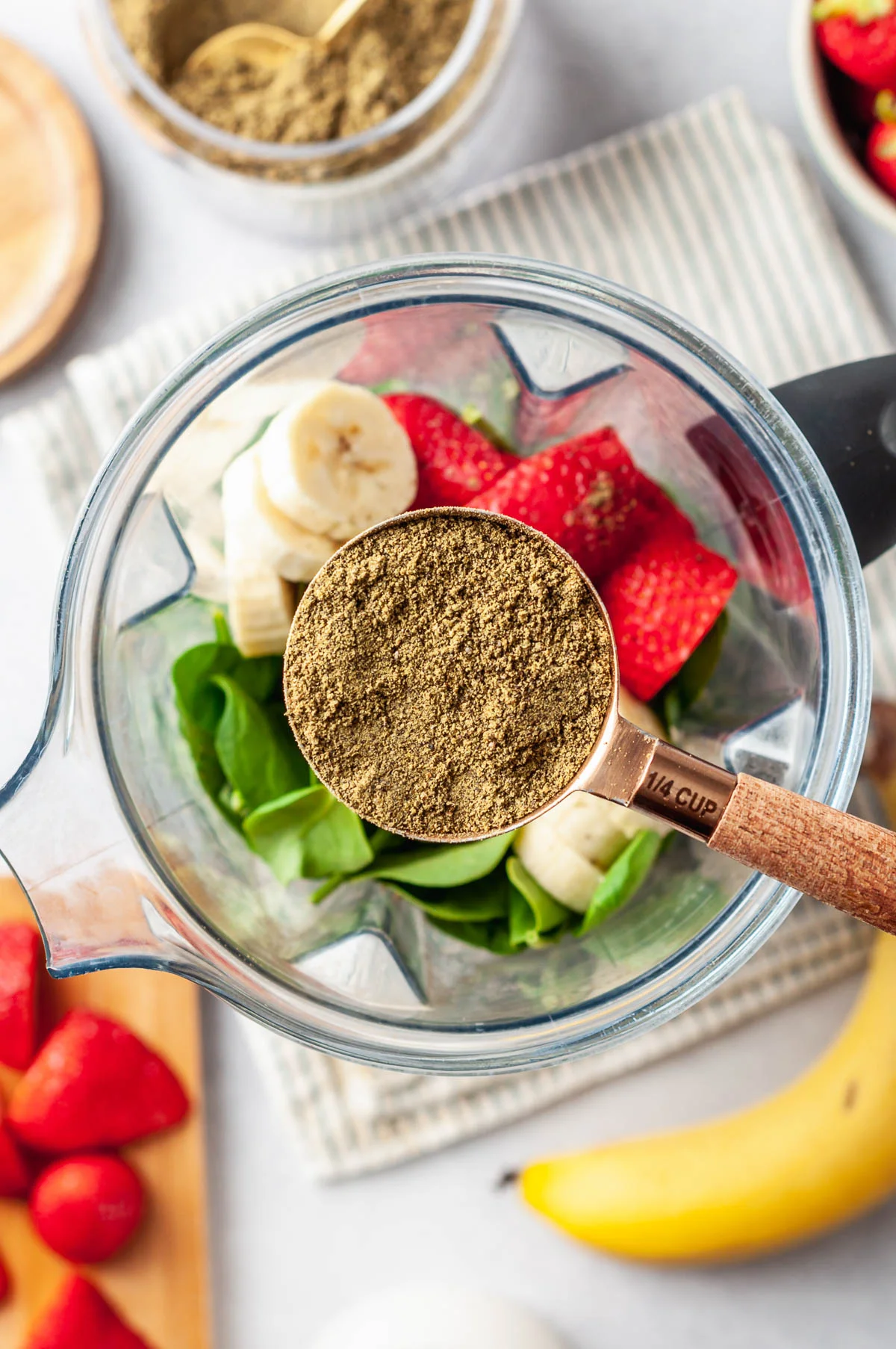
Plant-based protein powders typically come from a variety of sources such as pea, rice, hemp, soy, and pumpkin seed proteins. Each source offers a distinct amino acid profile and texture, influencing how well they blend into foods and drinks. Understanding these sources helps users select powders that best meet their taste preferences and nutritional requirements. For example, pea protein tends to be rich in iron and easy to digest, while hemp protein brings omega-3 fatty acids alongside protein.
Top Plant-Based Protein Powders for Smoothies
Characteristics to Look for in Smoothie Proteins
When selecting a plant-based protein powder for smoothies, texture and mixability are critical. Powders that dissolve easily without clumping enhance the drinking experience. A powder that contributes to a smooth and creamy consistency can turn an ordinary smoothie into a satisfying meal replacement or workout recovery drink. Additionally, powders with subtle natural flavors or mild sweetness avoid overpowering the taste of fresh fruits or other smoothie ingredients.
Best Powders for Creamy Texture
One common challenge with plant-based powders is their sometimes gritty or chalky texture in liquids. Powders derived from pea or brown rice protein often complement each other to create a silkier, creamier smoothie base. Blended formulas that combine several plant proteins can balance texture issues while providing a comprehensive amino acid profile. These blends reduce graininess and yield a thick, rich mouthfeel that many users prefer in their smoothies.
Powders with Natural Flavors and Sweeteners
Many protein powders incorporate natural sweeteners like stevia or monk fruit to enhance flavor without added sugars. This is crucial to avoid unnecessary calories and artificial ingredients. Choosing powders with natural flavorings such as vanilla, cocoa, or berry extracts can elevate the smoothie experience without requiring additional sweetening. Users should check labels to ensure the absence of artificial additives or synthetic sweeteners, which might detract from the product’s health benefits.
Best Plant-Based Protein Powders for Meal Prep
Powders That Blend Well in Recipes
Meal prep often involves cooking or baking with protein powders, which introduces challenges related to texture and taste changes under heat. Some plant-based powders, such as pea protein and soy protein isolate, maintain their integrity when cooked, making them ideal for recipes like protein pancakes, energy bars, and savory dishes. Powders that don’t alter the moisture balance or flavor of meals are particularly valuable for home cooks seeking to boost daily protein intake efficiently.
High-Protein Powders with Versatile Uses
Beyond smoothies, protein powders with high protein concentration per serving allow for effective supplementation while maintaining versatility. Those containing a balanced amino acid profile support muscle synthesis and recovery, crucial in both active individuals and those focused on weight management. Versatile powders can be added to soups, stews, or even salad dressings without compromising taste or texture, broadening their usefulness in meal preparation.
How to Incorporate Powders Into Different Meals
Incorporating plant-based protein powders into meals demands some trial and error to achieve the right consistency and flavor. Gradually mixing powders into sauces, baked goods, or even oatmeal can enrich meals without overwhelming the dish. Combining powders with complementary ingredients, such as nut butters or pureed vegetables, helps mask unusual flavors while adding nutritional depth. This stepwise approach encourages sustainable dietary changes that enhance protein intake throughout the day.
Comparing Nutritional Profiles and Ingredients
Protein Content and Amino Acid Profiles
Not all plant-based proteins are created equal in terms of their amino acid composition. While most plant proteins are lower in certain essential amino acids like lysine or methionine, blends can strategically address these deficiencies. Examining the protein content per serving gives insight into how much actual protein one consumes, but amino acid completeness is equally important for muscle repair and overall health. Some powders combine pea, hemp, and rice proteins to deliver a full spectrum of essential amino acids.
Allergens and Additives to Avoid
Plant-based protein powders can sometimes contain common allergens such as soy, gluten, or tree nuts. These ingredients pose risks for sensitive individuals and should be carefully avoided if allergies exist. Additionally, powders that include excessive fillers, artificial flavors, or preservatives may reduce the healthfulness of otherwise clean products. Reading ingredient lists attentively helps users steer clear of additives that could trigger adverse reactions or undermine dietary goals.
How to Choose the Right Protein Powder for Your Lifestyle
Budget Considerations
One typical obstacle is the cost of high-quality plant-based protein powders. Premium blends with multiple protein sources and clean formulations often command higher prices, which may deter consistent use. However, budget-friendly options do exist that balance quality with affordability. Comparing prices on a per-serving basis, considering bulk purchases, and evaluating protein quality help shoppers find products that fit their financial and nutritional needs.
Dietary Restrictions and Preferences
Choosing a protein powder involves aligning with one’s specific dietary needs, whether that entails avoiding soy, gluten, or GMOs, or favoring organic and non-GMO certifications. Some individuals may require powders free from added sugars or with low carbohydrate content. Identifying powders tailored to personal health requirements and taste preferences ensures long-term adherence and satisfaction.
Certifications and Quality Assurance
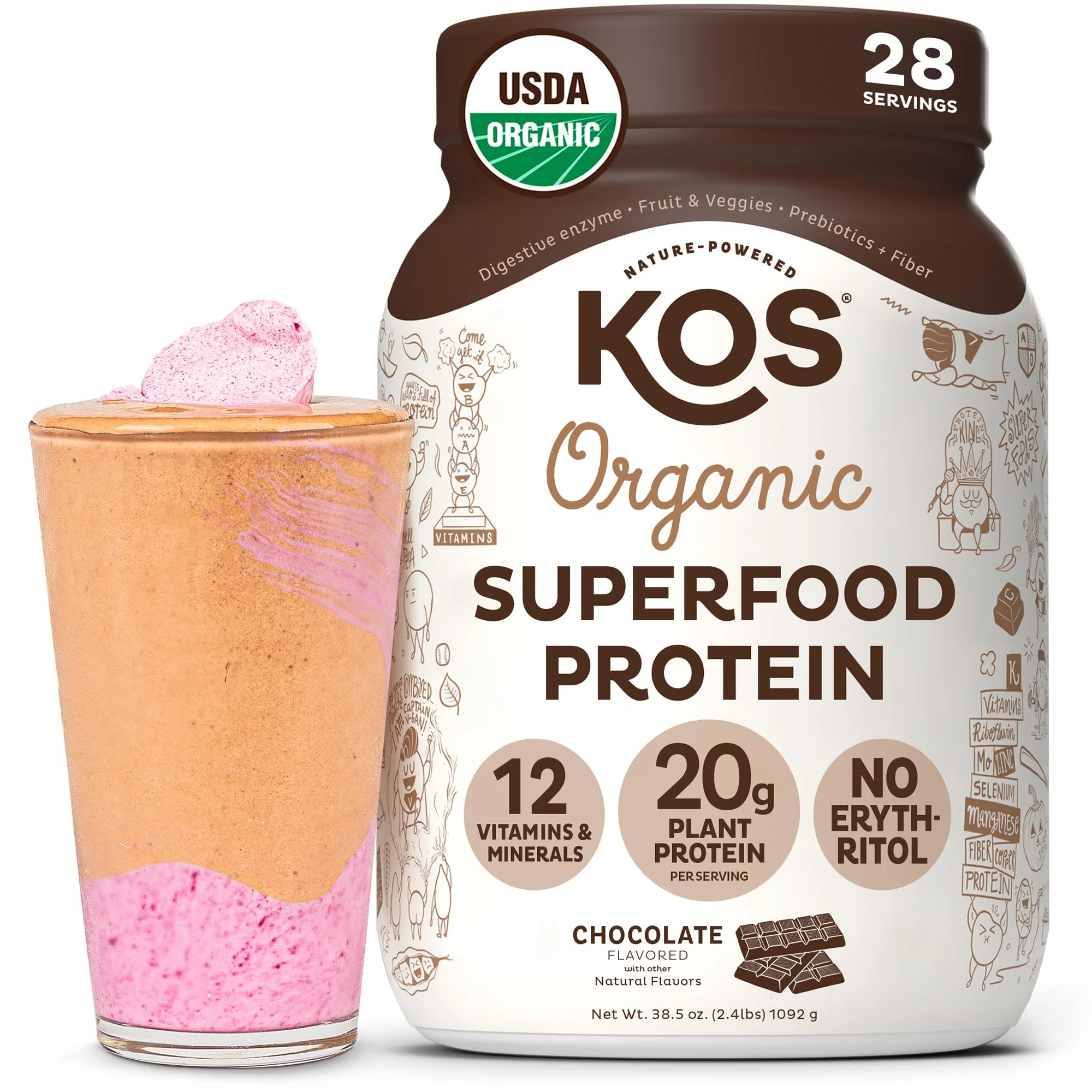
Certifications such as USDA Organic, Non-GMO Project Verified, and third-party testing for contaminants establish credibility and safety in protein powders. Quality assurance practices guarantee that products contain the nutrients advertised without harmful substances. Consumers benefit from selecting brands with transparent sourcing and manufacturing standards to protect their health and maximize nutritional outcomes.
Conclusion: Making Smart Choices with Plant-Based Proteins
Plant-based protein powders offer a versatile and sustainable way to boost protein intake for smoothies, meal prep, and overall nutrition. The key challenge lies in identifying powders that not only meet dietary needs but also provide enjoyable taste and texture. By understanding the attributes of various protein sources, scrutinizing ingredient lists, and considering lifestyle factors such as budget and certifications, individuals can make informed decisions. Ultimately, selecting the best plant-based protein powder facilitates a healthier diet, supports fitness goals, and respects ethical and environmental values.