Introduction to Xanthan Gum
What is Xanthan Gum?
Xanthan gum is a versatile food additive that you’ve likely encountered in various baked goods, dressings, and sauces. It’s a natural polysaccharide, meaning it’s a type of sugar-based molecule produced by fermentation. Its unique structure allows it to act as a thickener, stabilizer, and emulsifier, making it a go-to ingredient in gluten-free baking. When traditional gluten is absent, xanthan gum steps in to provide structure and improve texture.
Historical Background and Origin
Originally discovered in the mid-20th century, xanthan gum is created by fermenting simple sugars with the bacterium Xanthomonas campestris. This process yields a slimy, gel-like substance that can dramatically change the consistency of liquids. The food industry quickly saw its potential, especially as demand for gluten-free products increased. Today, xanthan gum is widely available and valued for its ability to mimic the qualities of gluten in baked goods.
Challenges in Gluten-Free Baking
The Function of Gluten in Traditional Baking
Gluten is a protein complex found in wheat, barley, and rye that gives dough its elasticity and strength. It traps air bubbles during fermentation, which allows bread to rise and develop a chewy texture. Without gluten, baked goods can lose their structure, resulting in crumbly or dense products that lack the familiar mouthfeel.
Common Issues Without Gluten
When gluten is removed from recipes, the dough tends to be fragile and more difficult to handle. Gluten-free baked goods often turn out dry, crumbly, or overly dense because there’s nothing to hold them together. These problems make gluten-free baking a bit of a balancing act, requiring substitutes that provide elasticity and moisture retention.
Xanthan Gum’s Chemical Properties
How Xanthan Gum Works as a Thickener
Xanthan gum works by increasing the viscosity of dough and batter. Its long molecular chains create a network that traps water, thickening liquids and helping to bind ingredients. This thickening action is what allows it to replicate some of the binding and elastic qualities that gluten naturally provides.
Interaction with Water and Other Ingredients
One of xanthan gum’s remarkable traits is its ability to hydrate and disperse evenly in water, forming a stable gel-like substance. This interaction improves moisture retention and prevents ingredients from separating, which is especially beneficial in gluten-free mixtures that can otherwise become dry or crumbly.
Benefits of Using Xanthan Gum in Gluten-Free Recipes
Improving Dough Elasticity and Texture
Adding xanthan gum to gluten-free dough helps create a stretchy, elastic texture similar to traditional dough. This elasticity allows for better shaping and helps baked goods maintain their structure during baking. The resulting crumb is more cohesive and less prone to falling apart.
Enhancing Moisture Retention
Moisture is critical in baked goods, especially when gluten is absent. Xanthan gum forms a moisture-holding network that keeps the product from drying out too quickly. This results in softer, more tender bread, cakes, and cookies that stay enjoyable for longer.
Impact on Shelf Life
The moisture retention properties of xanthan gum also contribute to a longer shelf life. Products remain fresher and less stale over time, reducing waste and improving the overall eating experience. For commercial bakers, this can be a significant advantage.
Practical Tips for Baking with Xanthan Gum
Recommended Usage Amounts by Recipe Type
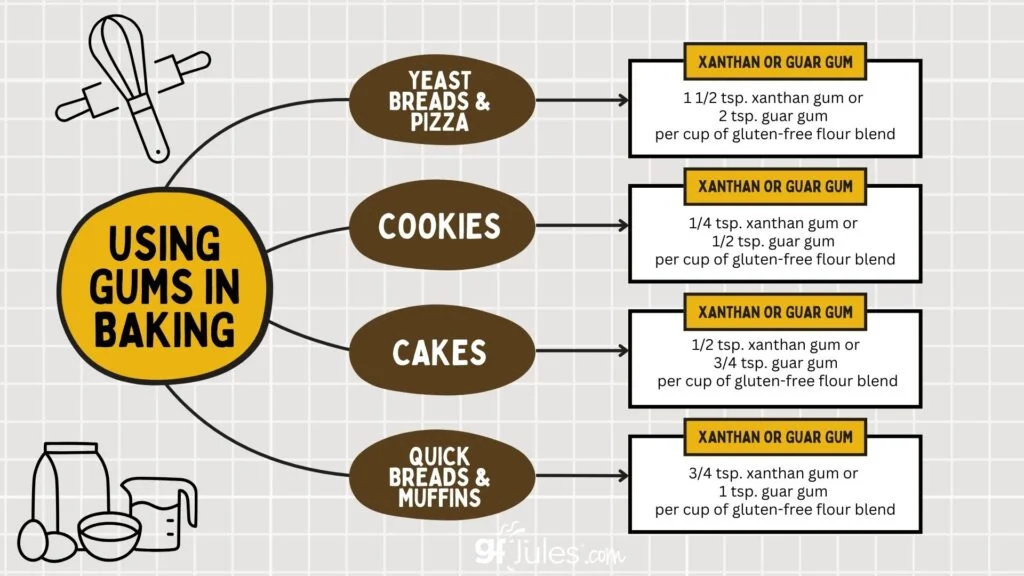
Using the right amount of xanthan gum is crucial to achieving the best results. Typically, for breads, about 1 teaspoon per cup of gluten-free flour works well. For cookies and cakes, less may be needed, often around ¼ to ½ teaspoon per cup. It’s important to measure carefully because too much xanthan gum can create a gummy or rubbery texture, while too little won’t provide enough structure.
Common Mistakes and How to Avoid Them
Many beginners either omit xanthan gum or add too much. Leaving it out will often result in crumbly, fragile baked goods that don’t rise well. On the other hand, overusing xanthan gum can make textures unpleasantly dense or chewy. To avoid these pitfalls, start with small amounts and adjust gradually based on the specific recipe and flour blend used. Also, ensure it’s evenly mixed into the dry ingredients before adding liquids to avoid clumping.
Alternatives to Xanthan Gum in Gluten-Free Baking
Guar Gum vs. Xanthan Gum
Guar gum is another popular thickener and binder used in gluten-free baking. While it shares some similarities with xanthan gum, guar gum is derived from guar beans and tends to be a bit more cost-effective. It performs well as a stabilizer, but it hydrates more slowly and isn’t as heat-stable as xanthan gum, which can affect the final texture of baked goods.
Other Natural Binders and Thickeners
Beyond xanthan and guar gum, other natural binders like chia seeds, flaxseeds, and psyllium husk can help improve the texture of gluten-free products. These ingredients not only enhance binding but also add nutritional value. However, their properties differ from xanthan gum and might require recipe adjustments to achieve the desired consistency.
Conclusion
Summary of Xanthan Gum’s Role
Xanthan gum plays a pivotal role in gluten-free baking by replicating the texture, elasticity, and moisture retention that gluten provides. Its unique chemical makeup allows it to thicken, stabilize, and improve the overall quality of gluten-free baked goods, making it an indispensable ingredient for many home bakers and professionals alike.
Final Thoughts on Gluten-Free Baking Success
Baking without gluten can be challenging, but understanding ingredients like xanthan gum unlocks new possibilities. Experimenting with correct amounts and combining xanthan gum with other natural binders can lead to delicious, satisfying results. With patience and the right techniques, gluten-free baking can achieve the same pleasure and enjoyment as traditional recipes.