Introduction to Regional Spice Blends
The Cultural Significance of Spices Around the World
Spices have long been treasured not only for their ability to enhance food but also for their cultural and symbolic meanings. Across different societies, spices often represent identity, tradition, and even spirituality. The history of spice usage reveals trade routes, conquest, and cultural exchange, illustrating how essential these aromatic ingredients have been in shaping civilizations. Regional spice blends capture the essence of a community’s culinary heritage, carrying stories expressed through flavor.
How Geography Influences Flavor Profiles
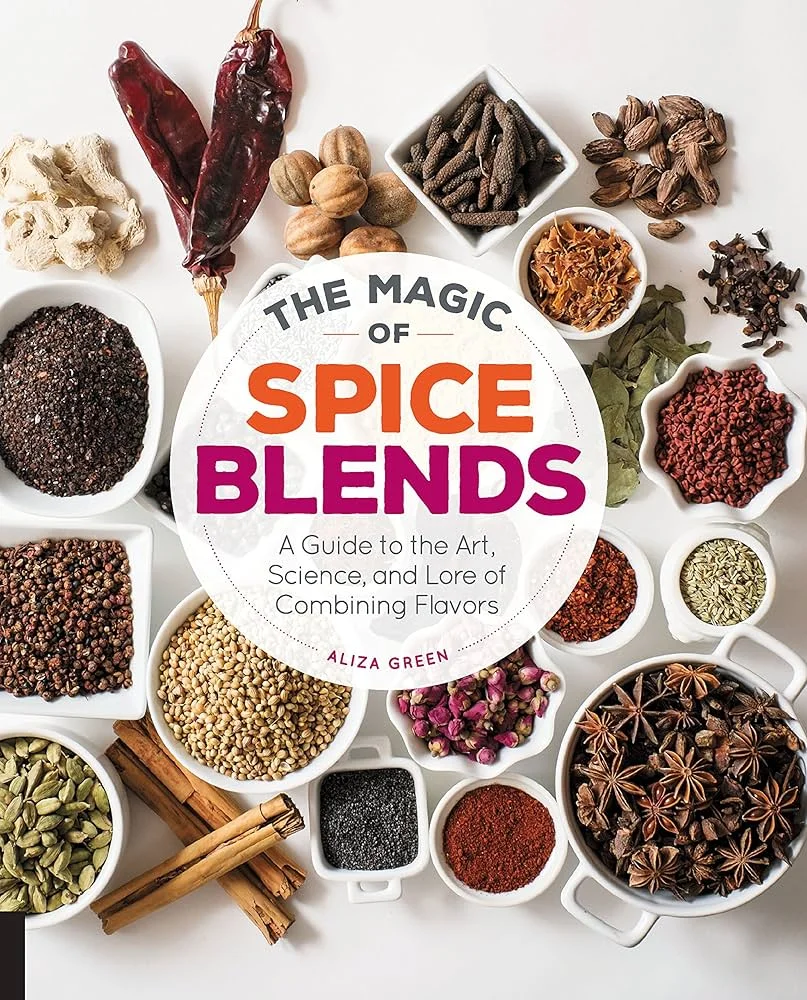
The distinct geography of a region plays a crucial role in determining which spices become staples and how they are combined in local dishes. Climate affects the types of plants that thrive, and proximity to trade centers or coasts introduces external influences. For example, coastal regions may incorporate more exotic spices brought by merchants, while inland areas might rely on native herbs. This geographical context results in unique blends that reflect the environment’s impact on taste preferences and availability of ingredients.
Historical Origins of Popular Regional Spice Blends
Middle Eastern Za’atar: Ancient Traditions and Uses
Za’atar is a blend with deep roots in Middle Eastern history, traditionally combining dried thyme, sumac, sesame seeds, and sometimes oregano or marjoram. Its origins trace back thousands of years when herbs were used not only for flavor but also for medicinal purposes. Za’atar was often sprinkled over bread or mixed with olive oil for a simple yet deeply flavorful dish. Its enduring popularity reflects both its versatility and its connection to the land and culture of the region.
Indian Garam Masala: Evolution Through the Ages
Garam Masala is more than just a spice mix; it’s a symbol of the rich culinary diversity in India. Comprising spices like cinnamon, cloves, cardamom, and cumin, this blend varies widely from one region to another. Historically, it evolved as trade introduced new spices, and local cooks adapted their blends to suit regional tastes and seasonal availability. It is used primarily at the end of cooking to impart warmth and complex aroma, making it integral to many Indian dishes.
North African Ras el Hanout: A Blend of Heritage and Mystery
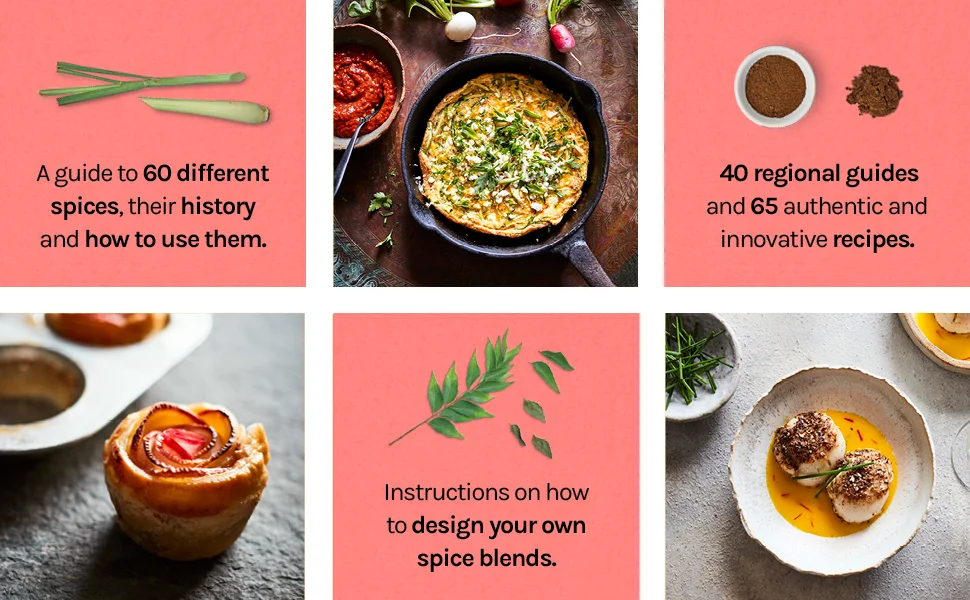
Ras el Hanout translates to “top of the shop” in Arabic, symbolizing the best spices a merchant has to offer. This North African blend often contains over a dozen spices, ranging from cinnamon and coriander to exotic ingredients like grains of paradise or dried rosebuds. The exact composition varies by the spice seller’s personal recipe, adding an element of mystery. Historically, it’s been used to create robust flavors in meat and vegetable dishes, highlighting the region’s bold culinary spirit.
Key Ingredients and Their Roles in Flavor Creation
Common Spices in Blend Making
Creating a regional spice blend involves selecting ingredients that complement each other in both aroma and taste. Spices such as cumin, coriander, black pepper, and cardamom often serve as the backbone due to their versatility. Others like turmeric or sumac add distinctive colors and tang. Each component brings specific qualities—earthiness, heat, floral notes—that together craft a balanced flavor profile distinctive to its regional origin.
Balancing Aromatics, Heat, and Earthiness
Successful spice blends achieve harmony between different flavor elements. Aromatic spices like cinnamon and cloves provide warmth and sweetness, while heat from chili peppers or black pepper adds intensity. Earthy tones come from cumin or fenugreek, grounding the blend. The art lies in adjusting proportions so that no single ingredient overwhelms, resulting in a nuanced blend that enhances rather than masks the dish it accompanies.
Cooking Techniques for Maximizing Authenticity
When and How to Add Spice Blends in Recipes
The timing of adding spice blends can dramatically affect their impact. Some blends, such as garam masala, are best added towards the end of cooking to preserve their bright, complex aromas. Others, like ras el hanout, benefit from slow cooking, allowing the flavors to fully infuse into the dish. Understanding the role each blend plays helps home cooks replicate authentic tastes by applying the blend at the most effective stage.
Tips for Roasting, Toasting, and Grinding at Home
Freshly roasted or toasted spices release essential oils that elevate the depth of flavor. Lightly toasting spices in a dry pan before grinding can make a notable difference in the aroma and richness of the blend. Grinding should be done just before use when possible to maintain freshness. Using a mortar and pestle or a spice grinder helps achieve the ideal texture, whether coarse or fine, tailored to the recipe’s needs.
Regional Variations and Adaptations
Variations within a Single Cuisine
Even within a single region, spice blends can vary significantly based on local preferences and family traditions. For instance, southern Indian garam masala tends to be spicier and heavier on roasted spices, while northern variations may include sweeter notes like nutmeg. These subtle differences reflect microclimates, ingredient availability, and historical influences that enrich the culinary tapestry of a region.
Fusion and Modern Interpretations of Classic Blends
Contemporary cooks often experiment by blending traditional spices with new ingredients, creating fusion versions of classic blends. This approach respects tradition while catering to evolving tastes and globalized ingredient access. For example, adding smoked paprika to a za’atar-inspired mix can introduce a novel smoky dimension, demonstrating how spice blends continue to adapt and inspire creativity in modern kitchens.
Building Your Own Spice Blend: A Beginner’s Guide
Essential Tools and Storage Tips
Starting to create your own spice blends requires some basic tools like a good quality spice grinder or mortar and pestle. These allow for grinding whole spices to release maximum flavor. Proper storage is equally important; airtight containers kept away from heat and light help maintain the potency of the blend. Labeling with the date of preparation ensures you use them while fresh, avoiding stale or diminished aromas.
Step-by-Step Blend Creation for Different Cuisines
Begin by researching the typical ingredients used in the regional blend you wish to replicate. Measure out the spices in the recommended proportions, adjusting slightly based on personal preference. Toast whole spices gently to awaken their flavors, then grind or mix them thoroughly. Testing the blend in small dishes allows refining the balance of flavors before scaling up. Through practice, you develop an intuitive sense of how ingredients combine to achieve authentic and satisfying results.