Introduction to Traditional Fermentation in Asian Cuisine
Historical Roots and Cultural Significance
Fermentation has been a cornerstone of Asian culinary traditions for centuries. It emerged not only as a method to preserve food but also as a cultural practice deeply intertwined with regional identities. Fermented foods often hold ceremonial importance and are passed down through generations, embodying the heritage of communities.
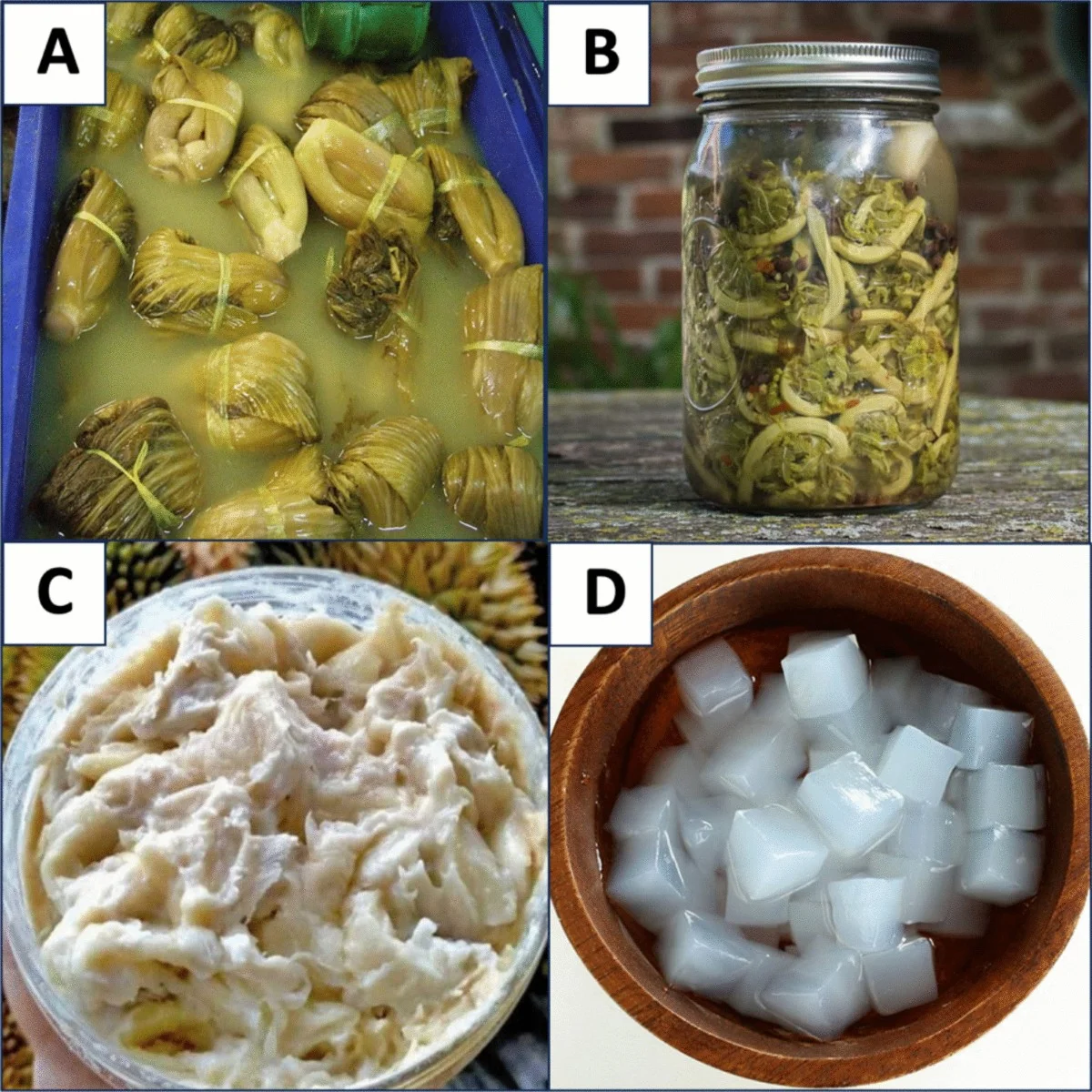
Overview of Common Fermented Foods Across Asia
Across Asia, fermentation produces an array of unique foods such as Japanese natto, Korean kimchi, Chinese fermented tofu, Thai fish sauce, and Indian idli. These diverse products highlight the adaptability of fermentation techniques suited to local ingredients and tastes, while also providing nutritional benefits.
Biochemical Mechanisms Behind Fermentation
Microorganisms Involved in Asian Fermentation
Fermentation relies on a variety of microorganisms including bacteria, yeasts, and molds. Lactic acid bacteria are predominant in many Asian ferments, producing organic acids that not only preserve food but also enhance flavor. Specific microbes, such as Bacillus subtilis in natto or Lactobacillus in kimchi, drive the unique transformations seen in these foods.
Transformation of Nutrients During Fermentation
The microbial activity breaks down complex compounds into simpler, more digestible forms. Proteins can be partially hydrolyzed into amino acids, and carbohydrates into organic acids and alcohols. This biochemical transformation improves the nutritional profile and makes nutrients more accessible for absorption.
Impact of Fermentation on Nutrient Bioavailability
Enhancement of Vitamins and Minerals
Fermentation often increases levels of vitamins, notably B vitamins and vitamin K. Microbial synthesis supplements dietary intake, boosting nutritional value. Minerals such as iron and zinc become more bioavailable as fermentation reduces compounds that inhibit absorption.
Reduction of Anti-Nutritional Factors
Many plant-based foods contain compounds like phytic acid and tannins that bind minerals, hindering their absorption. Fermentation degrades these anti-nutrients, thereby enhancing mineral uptake. This is particularly important in vegetarian or plant-forward diets prevalent in Asia.
Case Studies: Natto, Kimchi, and Miso
Natto, made from fermented soybeans, is rich in vitamin K2 and nattokinase enzyme, which supports cardiovascular health. Kimchi provides probiotics and antioxidants from fermented vegetables. Miso, a fermented soybean paste, enhances protein digestibility and contains beneficial peptides that support immunity.
Regional Variations in Fermentation Techniques
East Asia: Japan, Korea, and China
In East Asia, fermentation often emphasizes soybeans and vegetables. Techniques vary from natural fermentation, as seen in Chinese fermented tofu, to controlled starter cultures used for Japanese miso. Korea’s kimchi fermentation uses salt brining and seasonal timing to cultivate desired microbial profiles.
Southeast Asia: Thailand, Vietnam, and Indonesia
Southeast Asian fermentation includes fish sauces and fermented rice products. The hot, humid climate accelerates fermentation speed, influencing flavor development. Extended fermentation periods create rich umami profiles characteristic of the region’s culinary identity.
South Asia: India and Nepal
In South Asia, fermentation is commonly applied to cereals and legumes, producing foods like idli and dhokla. These fermented batters not only enhance nutrient availability but also improve texture and taste. The practice is crucial in vegetarian diets for complementing protein intake.
Health Benefits Linked to Fermented Foods
Gut Health and Probiotics
Fermented foods introduce beneficial bacteria into the gut, supporting a balanced microbiome. This enhances digestion, nutrient absorption, and can reduce gastrointestinal issues. Regular consumption of fermented products helps maintain intestinal health.
Immune System Support
The probiotics and bioactive compounds from fermented foods stimulate immune responses. Enhanced gut flora moderation contributes to overall immunity, helping the body fend off infections. Many traditional remedies highlight these foods for their health-promoting properties.
Modern Applications and Reviving Traditional Practices
Integration into Contemporary Diets
As global interest in gut health grows, fermented foods from Asia are gaining popularity worldwide. They are being adapted into modern recipes and diets, balancing tradition with innovation. This integration helps preserve cultural heritage while meeting current nutritional trends.
Challenges and Opportunities in Commercial Production
Scaling fermentation commercially poses challenges such as maintaining microbial consistency and product safety. However, advances in food technology offer opportunities to enhance shelf life and standardize quality. Bridging artisanal methods with modern science can sustain traditional benefits at larger scales.
Conclusion: The Enduring Value of Fermentation in Asian Food Cultures
Traditional fermentation techniques are more than culinary practices; they enhance nutrient absorption and promote health. Their biochemical complexities unlock the potential of everyday foods, making them vital to Asian cultures. Embracing these methods in modern diets ensures the preservation and continued benefits of this ancient art.