Introduction to Colonial Trade Routes and Latin American Cuisine
Historical Overview of Colonial Trade Networks
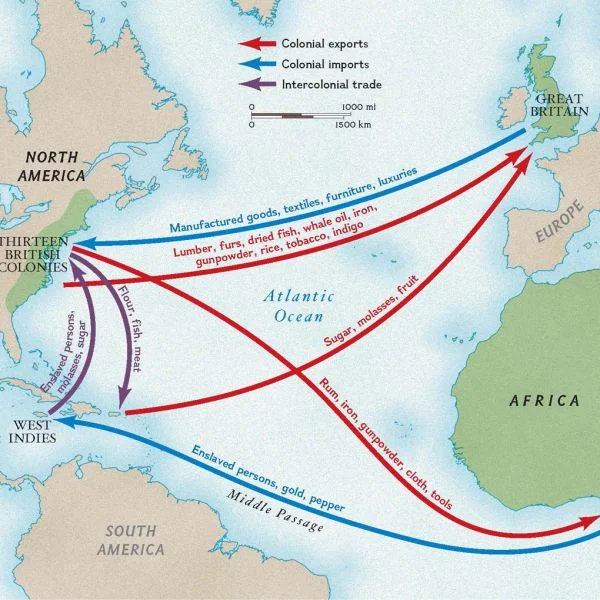
The development of colonial trade routes significantly shaped many aspects of the modern world, particularly in Latin America. Beginning in the late 15th century, European powers established extensive maritime and overland trade networks to exploit new territories and resources. These trade routes connected continents, enabling the exchange of goods, cultures, and ideas on an unprecedented scale. The circulation of products between Europe, Africa, Asia, and the Americas was instrumental in transforming local economies and societies.
Defining Latin American Street Food: Origins and Characteristics
Latin American street food, known for its vibrant flavors and diverse ingredients, originated from the melding of indigenous culinary traditions with influences brought by colonial trade. It is characterized by accessibility, portability, and a blend of fresh and cooked components reflecting multiple cultural imprints. Street food in this region serves as a culinary narrative, revealing centuries of cultural exchange and adaptation rooted in history.
Key Colonial Powers and Their Trade Influences
Spanish and Portuguese Maritime Expeditions
The Spanish and Portuguese were primary architects of colonial trade routes impacting Latin America. Spain’s conquests brought not only political dominance but also extensive maritime routes that connected the Americas with Europe and Asia through the Manila Galleons. Portugal’s control over Brazil and its trade with Africa and Asia introduced a variety of new foods and culinary techniques. These expeditions laid the foundation for a continuous flow of goods and cultural interchanges that deeply influenced local gastronomy.
The Impact of African and Asian Trade Connections
Beyond European control, African and Asian trade networks played a crucial role in shaping Latin American food culture. The transatlantic slave trade forcibly brought African populations who contributed ingredients and cooking methods, such as the use of okra and deep-frying techniques. Simultaneously, trade with Asia, notably via the Manila Galleons, introduced soy sauce, spices, and rice varieties that became staples in many Latin American dishes. These connections enriched the culinary landscape, enhancing both street food offerings and home cooking traditions.
Ingredients Introduced via Colonial Trade Routes
Staple Foods Brought from Europe
The introduction of European staple foods altered indigenous diets dramatically. Wheat, cattle, pigs, and dairy products such as cheese and milk were introduced, providing new sources of protein and carbohydrates. These items became integral to many Latin American street foods, resulting in dishes like empanadas, tortillas, and various types of bread that blend Old World and New World culinary concepts.
New World Crops and Their Global Spread
Conversely, the Americas contributed important crops such as maize, potatoes, beans, and tomatoes to the global trade network. These ingredients, native to Latin America, spread worldwide and became fundamental to numerous global cuisines. Their continued cultivation and use within Latin America highlight the reciprocal nature of colonial trade routes and their lasting impact on food systems.
Spices and Seasonings: Shaping Flavors
Spices and seasonings were pivotal in shaping the unique flavor profiles of Latin American street food. Cinnamon, cloves, black pepper, and nutmeg arrived through European and Asian trade routes, transforming traditional recipes. The blending of local herbs with imported spices created new flavor combinations that stand out in dishes like tamales and various grilled meats commonly found in street markets.
Transformation of Indigenous Food Practices
Integration of Imported Ingredients into Local Diets
Indigenous food practices did not disappear but adapted through the integration of imported ingredients. Native populations incorporated European meats, dairy, and spices into their cooking, resulting in hybrid dishes. For example, traditional corn-based foods began to feature cheese or pork, reflecting the collision of cultures and the evolution of dietary habits.
Evolving Cooking Techniques and Fusion Flavors
The adoption of new cooking techniques also marked this transformation. Europeans introduced baking and frying methods, while Africans influenced grilling and seasoning practices. These fused techniques enabled the creation of complex dishes that combined indigenous and foreign elements, a signature characteristic of Latin American street cuisine today.
The Emergence of Street Food Culture in Latin America
Trade Routes as Catalysts for Urban Food Markets
The colonial trade routes fostered the growth of port cities and urban centers where diverse populations converged. These urban environments became hubs for vibrant food markets and street food culture. The availability of imported and local ingredients in these cities encouraged vendors to experiment and cater to a melting pot of tastes, facilitating the rise of iconic street foods.
Social and Economic Factors Driving Street Food Popularity
Street food gained popularity due to its affordability, convenience, and accessibility, especially among working-class populations. Economic realities during and after colonial times meant many relied on quick, inexpensive meals available in public spaces. This necessity helped solidify street food as a key component of Latin America’s culinary identity, reflecting both social conditions and cultural resilience.
Iconic Latin American Street Foods with Colonial Roots
Examples of Dishes Influenced by Trade and Exchange

Several well-known street foods owe their origins to the colonial trade era. The arepa, blending indigenous corn with European cheese, and the churro, which traces back to Spanish fried dough recipes, exemplify this fusion. Similarly, tamales incorporate native corn dough with meats and spices introduced by colonizers, illustrating the dynamic culinary exchange.
Modern Variations Reflecting Historical Blends
Today’s street food vendors continue to innovate, creating diverse variations that highlight historical blends. Ingredients such as avocado, chili peppers, and fresh herbs are combined with cheeses, sausages, and sauces reflecting Asian, African, and European influences. This ongoing evolution showcases the deep-rooted colonial history while embracing contemporary tastes.
Legacy and Contemporary Relevance
The Role of Colonial Trade History in Today’s Culinary Identity
The legacy of colonial trade routes remains embedded in Latin American culinary identity. Understanding this history is crucial for appreciating the complex layers behind popular street foods. These foods are living symbols of cultural fusion, resilience, and adaptation, connecting present-day communities with their diverse ancestral roots.
Preservation and Innovation in Street Food Traditions
Maintaining traditional recipes while encouraging innovation is vital for the sustainability of Latin American street food culture. Chefs and vendors strive to preserve authentic flavors passed down through generations, even as they integrate modern techniques and global influences. This balance ensures that street food remains a vibrant, evolving expression of the region’s rich cultural heritage.