Introduction to Making Homemade BBQ Sauce
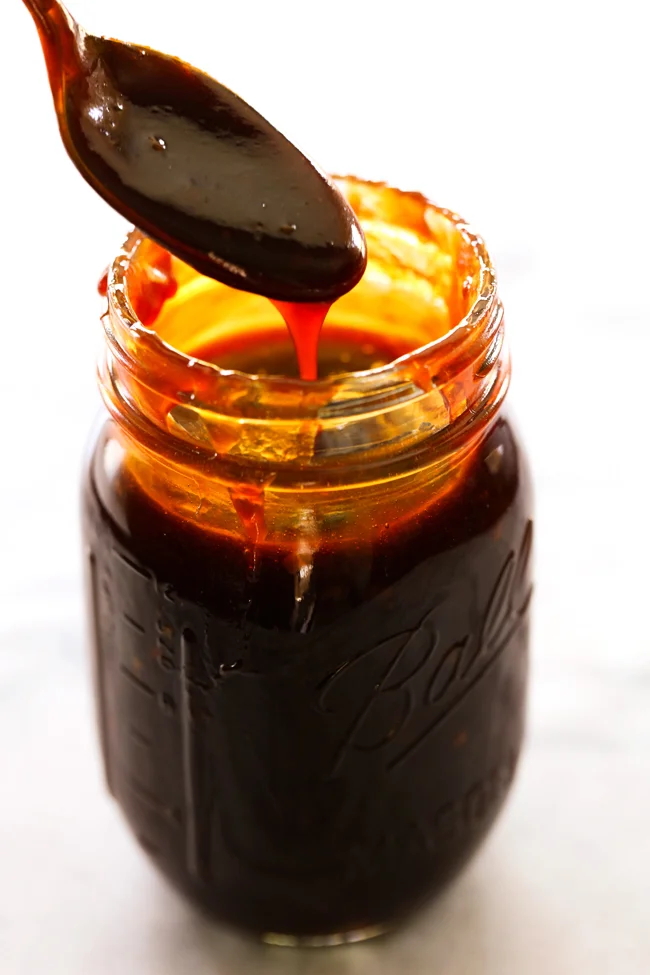
There’s something undeniably satisfying about slathering your grilled favorites in a rich, tangy BBQ sauce that you made yourself. Homemade BBQ sauce offers a world of flavor possibilities that simply can’t be matched by store-bought varieties. Whether you prefer it sweet, spicy, smoky, or all of the above, crafting your own sauce at home gives you complete control.
Why Homemade BBQ Sauce Outshines Store-Bought
Store-bought sauces often come with preservatives, artificial flavors, and a one-size-fits-all taste that may not suit everyone’s palate. When you make BBQ sauce from scratch, you can adjust ingredients to fit your preference and dietary needs. Plus, the freshness of homemade sauce means brighter, bolder flavors that elevate your meats and veggies to new heights.
Essential Ingredients for Authentic Flavor
At its core, a great BBQ sauce has a balance of sweet, tangy, and smoky notes. The essential ingredients typically include a tomato base, vinegar for acidity, sweeteners to balance the tang, and spices to add warmth and complexity. Understanding what each element brings will help you craft your perfect blend.
Gathering Your Ingredients: Quality Matters
Using high-quality ingredients is fundamental to making a standout BBQ sauce. The richer and fresher your components, the more vibrant your final product will taste. It’s tempting to grab whatever’s in the pantry, but investing a bit more in certain staples truly pays off.
Sweeteners, Vinegars, and Spices Explained
Sweeteners range from classic brown sugar to honey, molasses, or even maple syrup. Each adds a unique nuance beyond just sweetness. Vinegars, whether apple cider, white, or balsamic, contribute acidity; choosing the right one defines the brightness of your sauce. Spices like smoked paprika, chili powder, and black pepper introduce warmth and depth, while a pinch of cayenne or hot sauce can bring just the right kick.
Choosing Fresh vs. Pantry Staples
Ingredients like garlic, onions, and fresh herbs add a lively quality that dried spices alone can’t match. However, pantry staples such as tomato paste and mustard powder ensure consistency and structure. Balancing fresh and shelf-stable ingredients lets you create a sauce with both richness and freshness.
Step 1: Preparing the Base of Your BBQ Sauce
Starting your sauce with a solid base sets the tone for everything that follows. Tomato elements are usually the backbone—ketchup, tomato sauce, or tomato paste.
Combining Tomato Sauces and Pastes Perfectly
Tomato paste provides a concentrated flavor and thick texture, while ketchup or tomato sauce adds smoother, sweeter notes. Mixing these allows you to control thickness and taste. For instance, blending a cup of ketchup with a few tablespoons of tomato paste can create a luscious, well-rounded base.
Step 2: Balancing Sweetness and Acidity
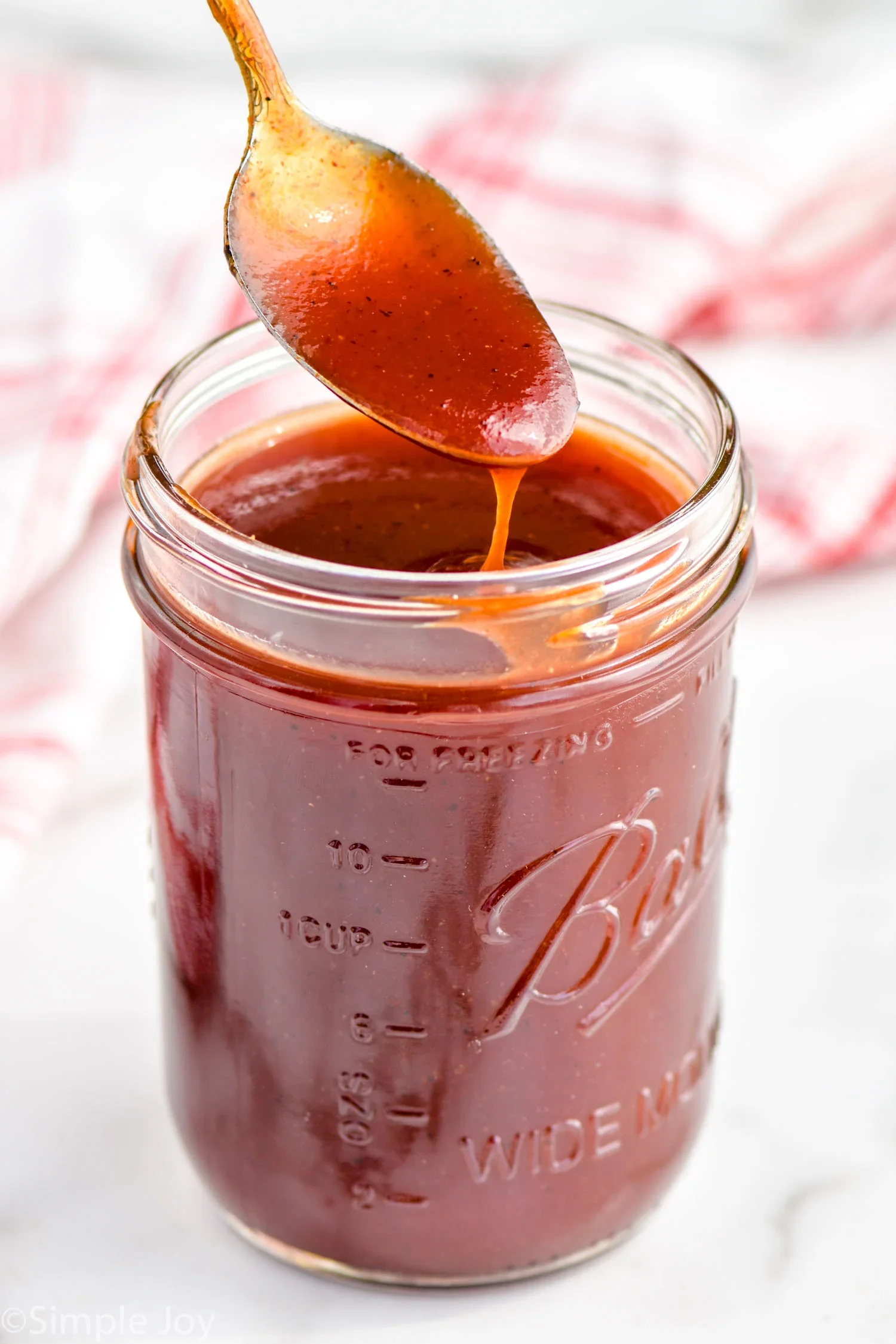
The interplay between sugar and vinegar creates the characteristic tangy-sweet profile of BBQ sauce. Getting this balance right is crucial for a sauce that feels lively and complex.
How to Adjust Sugar and Vinegar Levels
Start with small amounts and taste as you go. If you find the sauce too sharp or sour, a touch more sweetener will mellow the acidity. Conversely, if it tastes flat or heavy, a splash of vinegar brightens it up. Remember that the flavors will meld further during cooking, so it’s better to under-season initially and adjust later.
Step 3: Adding Depth with Spices and Heat
Spices are where your personality shines through. This is your chance to turn a simple sauce into something memorable.
Customizing Spice Levels to Your Taste
If you enjoy heat, consider adding cayenne pepper, crushed red pepper flakes, or a few dashes of hot sauce. Those who prefer milder sauces might stick to paprika and black pepper, creating warmth without overwhelming spice. You can always add heat later when serving, but adding it now integrates the flavor better.
Incorporating Smoky Elements Naturally
Smokiness is a hallmark of BBQ sauce. Instead of relying solely on artificial smoke flavor, try smoked paprika or a small amount of chipotle in adobo. These ingredients impart a natural, complex smokiness that enriches the sauce without overpowering the other flavors.
Cooking and Simmering Techniques for Perfect Consistency
Once all your ingredients are combined, simmering the sauce gently melds the flavors and thickens the mixture. This slow cooking process transforms a raw blend into a rich, velvety sauce.
Tips for Reducing and Thickening
Simmer uncovered over low heat to allow excess water to evaporate. Stir occasionally to prevent burning, and be patient—thicker sauces develop deeper flavor. If the sauce becomes too thick, a splash of water or vinegar can loosen it without diluting the taste too much.
Storage and Shelf Life of Homemade BBQ Sauce
One of the benefits of homemade BBQ sauce is its versatility and convenience, but proper storage is key to maintaining freshness and safety.
Proper Containers and Refrigeration Tips
Store your sauce in an airtight glass jar or container. Refrigerate promptly and use within two to three weeks for optimal flavor. Always use a clean spoon when serving to avoid contamination, and consider freezing portions if you want to keep it longer.
Creative Variations to Try at Home
The beauty of homemade BBQ sauce is that you’re not limited to one style. Experimentation keeps things exciting and lets you discover your personal signature.
Regional BBQ Sauce Styles
Explore classics like the tangy vinegar-based sauces of North Carolina, the mustard-focused sauces from South Carolina, or the sweet molasses-infused sauces of Kansas City. Each style brings a unique heritage and flavor profile to your table.
Adding Unique Ingredients for a Signature Touch
Consider infusions like bourbon, chipotle peppers, coffee, or fruit preserves such as peach or pineapple to add a special twist. These unexpected ingredients can elevate your sauce and make your BBQ truly unforgettable.