Understanding the Importance of Oil Choice in Stir-Frying
How Oil Impacts Nutrient Retention
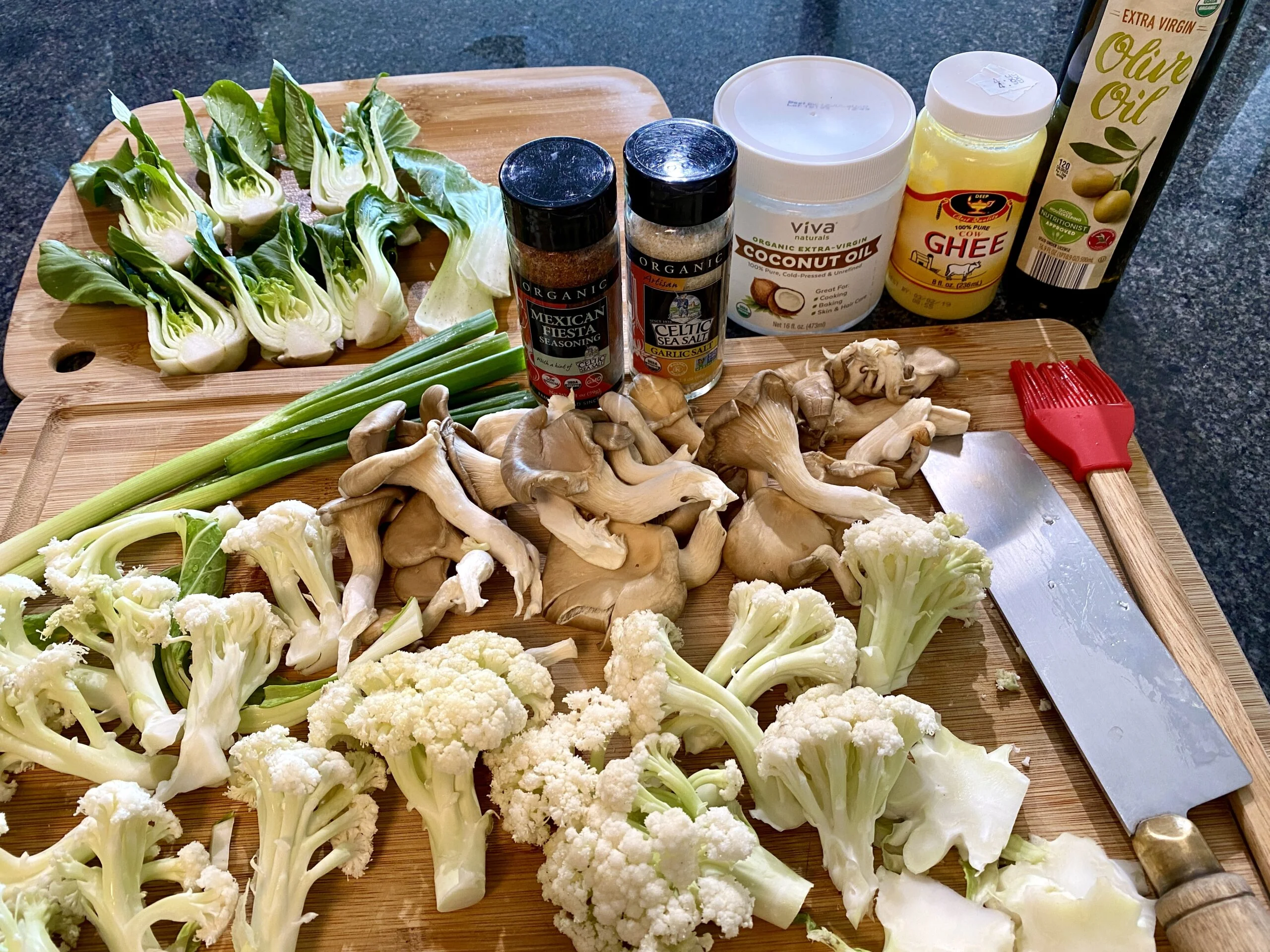
Choosing the right oil for stir-frying vegetables is more than just a flavor decision; it directly affects the nutritional quality of your dish. When vegetables are exposed to high heat, their delicate vitamins and phytonutrients can degrade quickly. The type of oil used acts as a medium that either protects or accelerates nutrient loss. Oils rich in antioxidants and stable fatty acids help preserve essential nutrients, while oils that break down quickly under heat can lead to the oxidation and depletion of valuable compounds in both the oil and the vegetables.
The Role of Smoke Point in Cooking Efficiency
The smoke point of an oil is the temperature at which it starts to burn and produce smoke, signaling the breakdown of fats and formation of harmful compounds. Cooking oils with a low smoke point can degrade rapidly during stir-frying, which typically involves high temperatures. This breakdown not only affects flavor but also nutrient content, as the formation of free radicals can damage sensitive vitamins and antioxidants. Therefore, selecting an oil with a suitable smoke point is crucial to ensuring cooking efficiency and nutrient preservation.
Top Oils Recommended for Stir-Frying Vegetables
Extra Virgin Olive Oil: Benefits and Considerations
Extra virgin olive oil is widely celebrated for its health benefits, largely due to its high content of monounsaturated fats and antioxidants. It offers a distinctive flavor that complements many vegetable dishes. However, its relatively moderate smoke point means that it is best used at medium heat during stir-frying to avoid nutrient degradation. When heated gently, extra virgin olive oil helps maintain the vitamins in vegetables and adds beneficial polyphenols, making it a solid choice for nutrient-conscious cooks.
Avocado Oil: High Smoke Point and Nutrient Preservation
Avocado oil stands out for its exceptionally high smoke point, typically around 520°F (271°C), which allows it to withstand the intense heat of stir-frying without breaking down. This stability prevents the formation of harmful free radicals while preserving the nutritional integrity of both the oil and the vegetables. Additionally, avocado oil is rich in monounsaturated fats and vitamin E, adding to its health benefits and making it one of the top oils for high-heat cooking methods.
Grapeseed Oil: Neutral Flavor and Health Profile
Grapeseed oil is prized for its light, neutral taste, which allows the natural flavors of vegetables to shine. With a moderately high smoke point, it resists oxidation under heat better than many other vegetable oils. It also contains a good balance of polyunsaturated fats and vitamin E, contributing to its antioxidant properties. This oil is an excellent choice for those who want a subtle flavor while still protecting the nutrients during stir-frying.
Refined Coconut Oil: Stability and Taste
Refined coconut oil boasts a high smoke point and a subtle tropical aroma that can add an exotic touch to stir-fried vegetables. Unlike unrefined coconut oil, the refined version handles high heat well without breaking down, making it suitable for nutrient retention. Its saturated fat content enhances stability under heat, though it may not provide the same antioxidant benefits as oils rich in monounsaturated fats. Still, it is a reliable option when cooking at high temperatures.
Safflower Oil: Light and Heat Resistant
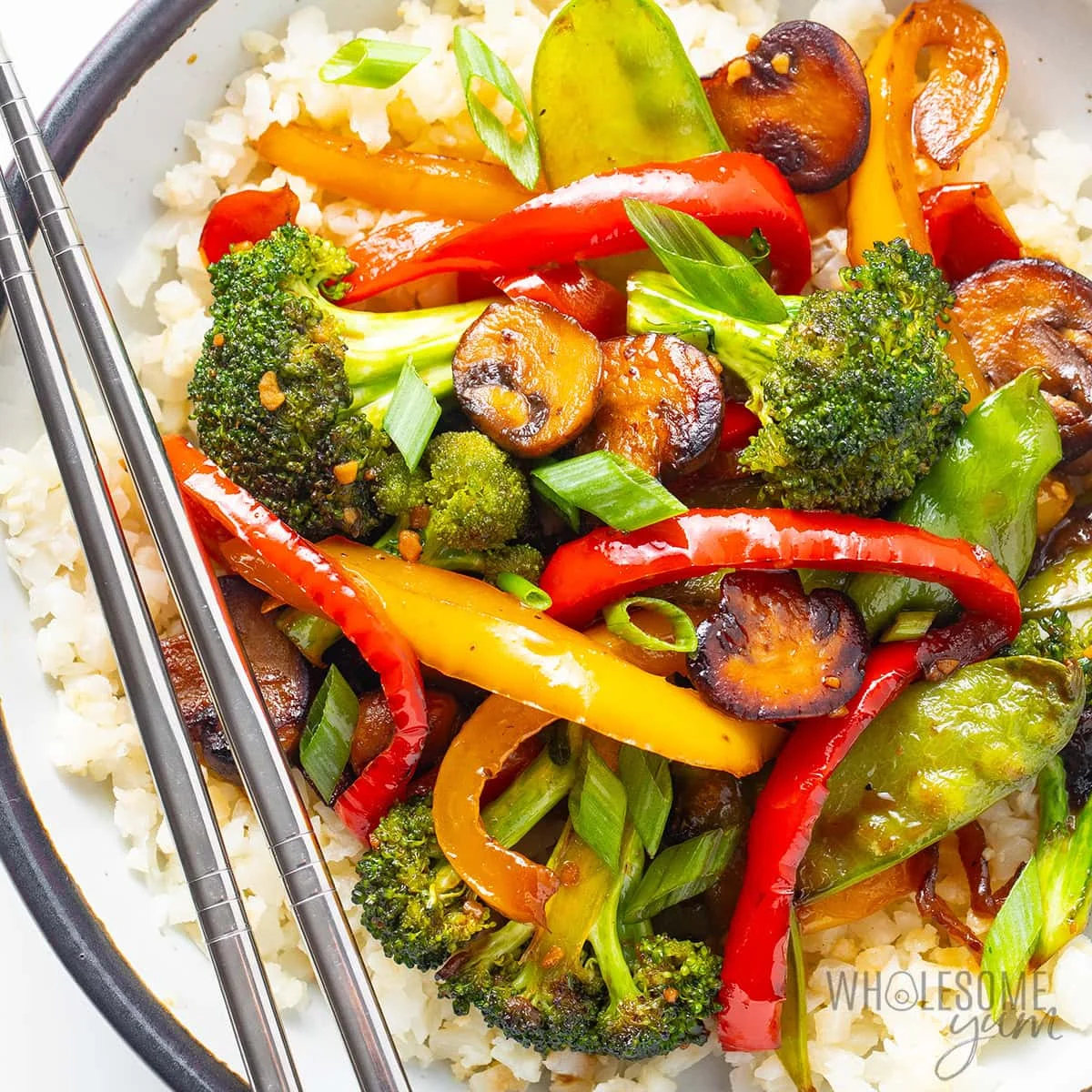
Safflower oil is another oil with a high smoke point and a mild flavor, making it ideal for stir-frying. Its composition of predominantly polyunsaturated fats contributes to maintaining the vegetable’s nutrient profile during cooking. The lightness of safflower oil also means it won’t weigh down dishes or overpower delicate vegetable flavors, providing a balanced approach to healthy stir-frying.
Comparing Nutrient Retention of Different Oils
Antioxidant Stability Under Heat
One critical issue with cooking oils is how their antioxidants behave under heat. Oils like extra virgin olive oil contain polyphenols that can degrade at high temperatures, but these antioxidants still offer protection at moderate stir-frying heats. Avocado oil’s antioxidants, including vitamin E, show excellent heat stability, helping to reduce oxidative stress during cooking. Grapeseed and safflower oils provide some antioxidant protection but tend to lose potency faster if overheated. Recognizing this variability helps in choosing an oil that preserves the nutritional value of meals.
Effect on Vitamins and Phytochemicals in Vegetables
The choice of oil also influences the retention of heat-sensitive vitamins such as vitamin C, folate, and certain carotenoids in vegetables. Oils that degrade into free radicals can accelerate the loss of these nutrients. Healthy fats present in oils, especially monounsaturated fats in olive and avocado oils, facilitate better absorption of fat-soluble vitamins like A, D, E, and K in vegetables. Hence, the right oil supports both nutrient preservation and optimized nutrient uptake, making vegetables more beneficial.
Tips for Stir-Frying to Maximize Nutrient Retention
Optimal Temperatures and Timing
Maintaining the correct temperature is vital to preserving nutrients. Stir-frying is effective when done quickly over high heat, but temperatures should not exceed the smoke point of the chosen oil. Overheating not only destroys nutrients but also creates potentially toxic compounds. Using oils with a high smoke point helps, but controlling the heat and avoiding prolonged cooking times are equally important to retain vegetable nutrients.
Proper Oil Quantities for Healthy Stir-Frying
Using an appropriate amount of oil contributes to even cooking and nutrient retention. Too little oil can cause vegetables to burn and nutrient loss, while excessive oil adds unnecessary calories and may encourage oxidation. A thin layer of oil sufficient to coat the pan and prevent sticking is generally ideal. This balance supports efficient heat transfer and preserves the natural texture and nutrients of vegetables.
Combining Oils for Balanced Flavor and Function
Blending oils can offer a solution to achieve both a desirable flavor and functional heat stability. For example, mixing extra virgin olive oil with a high smoke point oil like avocado or grapeseed oil allows for retaining olive oil’s antioxidants and flavor without risking overheating. This strategy can optimize the cooking process and maximize the nutritional benefits of stir-fried vegetables.
Conclusion: Choosing the Right Oil for Health and Flavor
Selecting the best oil for stir-frying vegetables is a critical factor in preserving their nutritional content and enhancing the overall healthfulness of a meal. Understanding the impact of smoke point and antioxidant stability guides better choices, with avocado oil, extra virgin olive oil, and grapeseed oil standing out as top candidates. Coupled with mindful cooking techniques—such as controlling heat and timing—these oils ensure that vegetables retain their vitamins and phytonutrients while offering great flavor. Ultimately, the right oil is one that balances health benefits, cooking performance, and taste, supporting both nutrient retention and a satisfying culinary experience.