Introduction to Flavor Enhancement Without Oil
Why Choose Oil-Free Cooking?
Choosing to cook without oil can be a thoughtful decision aimed at embracing a healthier lifestyle. Many people opt for oil-free cooking to reduce calorie intake or to avoid excess fats that can impact heart health. However, cooking without oil does not mean sacrificing flavor. On the contrary, it opens up new opportunities to explore vibrant tastes through other natural ingredients. Emphasizing oil-free methods encourages the use of fresh, whole foods and creative techniques to make meals exciting and satisfying.
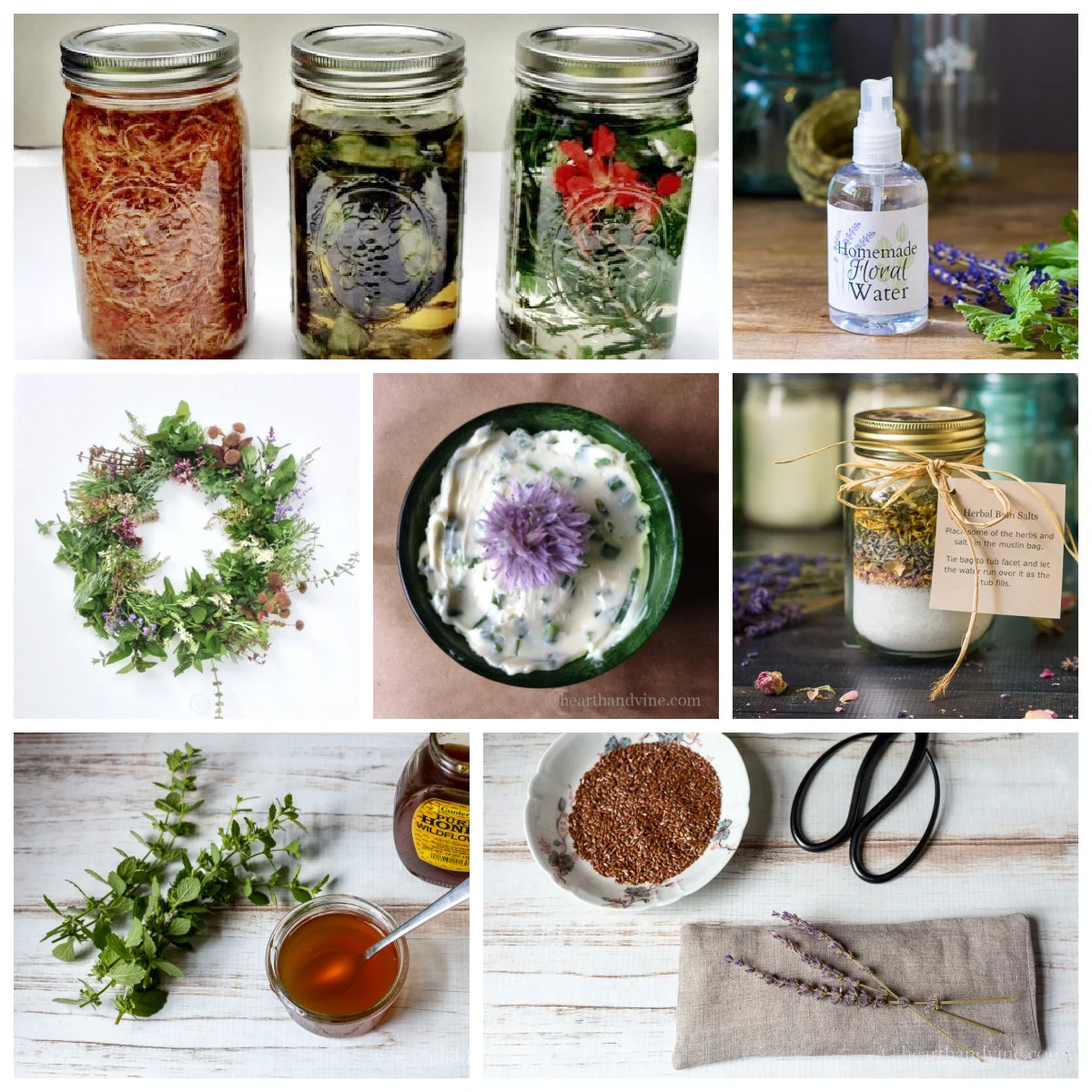
Role of Herbs and Spices in Healthy Cooking
Herbs and spices play an essential role in cooking by adding complexity, aroma, and depth to dishes without relying on fat. They contain natural compounds that can enhance flavor profiles and provide subtle nuances ranging from earthy warmth to bright freshness. In oil-free recipes, these ingredients become the star performers, offering the ability to transform simple meals into memorable culinary experiences. Their versatility makes them indispensable tools for anyone looking to maintain health without compromising on taste.
Understanding Herbs and Spices
Common Herbs for Oil-Free Recipes
Fresh herbs such as basil, cilantro, parsley, and mint are widely used to brighten and elevate dishes. These herbs often provide a burst of freshness that balances other cooking elements. Dried herbs like oregano, thyme, and rosemary carry concentrated flavors that meld well with hearty foods. Understanding which herbs complement particular ingredients helps in crafting well-rounded meals. For instance, rosemary pairs beautifully with roasted vegetables, while cilantro often enhances legume dishes and salads.
Popular Spices to Boost Flavor
Spices like cumin, paprika, turmeric, and cinnamon contribute warmth and character to oil-free meals. Their stronger profiles bring layers of depth that can mimic the richness commonly provided by fats. Spices can be used individually or combined to create signature blends that excite the palate. For example, blending cumin with coriander and chili powder can add a smoky, spicy flavor to beans or grains. Knowing how to balance strong spices without overwhelming the dish is a valuable skill for successful oil-free cooking.
How to Store and Preserve Freshness
Proper storage of herbs and spices is crucial to maintain their potency and flavor. Fresh herbs should be kept in the refrigerator, ideally wrapped in a damp paper towel or placed in water like fresh flowers. This helps them stay vibrant for several days. Dried herbs and spices should be stored in airtight containers away from direct light and heat. Avoiding moisture and prolonged exposure to the elements protects their essential oils, which are responsible for their distinct aromas and flavors. When freshness fades, so does their ability to lift dishes.
Techniques for Using Herbs and Spices in Oil-Free Dishes
Dry Roasting and Toasting Spices
Dry roasting spices is a technique that involves heating spices in a pan without oil to awaken their natural oils and intensify their flavors. It requires careful attention, as spices can go from toasted to burnt quickly. Once they release their fragrance, removing them from heat preserves their enhanced taste. Toasted spices add a layered complexity that can elevate simple preparations such as grains or vegetable stews. This process helps capture robust flavors that otherwise may be muted in an oil-free context.
Infusing Water or Broths with Herb Flavors
Infusing liquids like water or vegetable broth with herbs is an effective way to impart subtle flavor without fat. By simmering herbs such as thyme, bay leaves, or parsley in the liquid, the essence transfers and enhances the dish’s base. This method works particularly well for soups, stews, and grains, providing a gentle aromatic background that supports the main ingredients. Adjusting the infusion time can control flavor intensity, allowing customization based on preference.
Marinades and Rubs Without Oil
Creating marinades and rubs without oil involves combining spices, acid (like vinegar or citrus juice), and other moist ingredients to coat proteins or vegetables. This mixture can tenderize as well as flavor the food deeply during the resting period. While oils often carry spices and help them adhere, alternatives such as tomato paste, mustard, or even pureed fruits can fulfill that role in oil-free recipes. Marinating correctly ensures that the flavors penetrate and enhance the dish throughout cooking.
Flavor Profiles: Pairing Herbs and Spices with Ingredients
Vegetables and Legumes
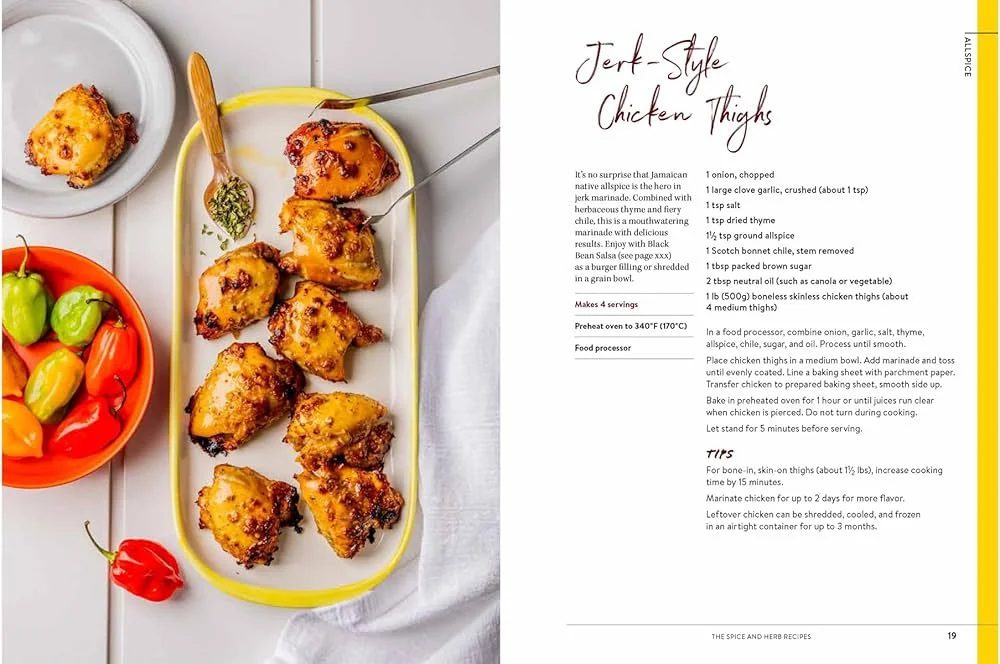
Pairing the right herbs and spices with vegetables and legumes can bring out their best qualities. Earthy lentils or chickpeas, for example, benefit from the warmth of cumin and coriander along with fresh cilantro for brightness. Root vegetables often shine when paired with rosemary or thyme, which complement their natural sweetness and texture. Understanding how to combine these flavors encourages more balanced and appealing meals without relying on oil or heavy seasonings.
Grains and Starches
Grains like rice, quinoa, and barley provide a neutral canvas that welcomes bold herb and spice additions. Introducing bay leaves and turmeric during cooking imparts subtle, fragrant warmth that enhances the complexity of the dish. Adding fresh herbs like parsley or dill just before serving keeps flavors lively and fresh. For starchy foods such as potatoes or sweet potatoes, seasoning with smoked paprika or garlic powder can add an inviting aroma and taste that elevates the mouthfeel.
Plant-Based Proteins
Plant-based proteins including tofu, tempeh, and seitan can sometimes feel bland without thoughtful seasoning. Using herb and spice blends provides a powerful way to infuse these ingredients with personality. For instance, marinating tofu with a combination of chili powder, garlic, and lime juice creates a vibrant profile. Additionally, dried herbs such as oregano or thyme can enrich tempeh’s natural nutty notes during cooking. These thoughtful pairings create satisfying, flavorful dishes without oil.
Creative Oil-Free Recipes Highlighting Herbs and Spices
Refreshing Herb-Infused Salads
Salads offer a perfect opportunity to showcase fresh herbs in their purest form. Combining leafy greens with chopped mint, basil, or parsley adds layers of freshness that complement raw vegetables or legumes. A simple dressing made from lemon juice, ground spices, and fresh herbs can enliven the dish without needing oil. This approach emphasizes clean, bright flavors that highlight the natural quality of each ingredient.
Spice-Rich Soups and Stews
Soups and stews allow for slow development of flavors, which herbs and spices enhance beautifully. Using smoked paprika or cumin can add warmth and depth, while bay leaves and thyme create aromatic layers that linger with every bite. Incorporating spice blends early in the cooking process ensures the flavors meld fully, creating comforting and complex dishes free from oil and excess fat.
Seasoned Roasted Vegetables Without Oil
Roasting vegetables without oil is achievable by relying on spices and herbs to create flavor. Tossing vegetables with lemon juice, garlic powder, or smoked paprika before roasting can help develop a crispy, tasty exterior. Fresh rosemary or thyme added near the end of cooking brings an herbal aroma that complements the caramelization. These techniques result in satisfying roasted vegetables that maintain the integrity of oil-free cooking.
Practical Tips to Maximize Flavor in Oil-Free Cooking
Layering Flavors Strategically
One of the most effective ways to build flavor without oil is to layer herbs and spices in stages throughout the cooking process. Beginning with toasting spices or adding dried herbs early allows their flavors to seep into the dish. Fresh herbs added at the end brighten the meal and provide fresh contrast. This step-by-step layering ensures balanced complexity and avoids one-dimensional tastes.
Timing: When to Add Herbs and Spices
Timing is crucial when incorporating herbs and spices in oil-free cooking. Dried herbs and spices usually benefit from longer cooking times to release their full potential. In contrast, delicate fresh herbs should be added closer to the end to preserve their vibrant flavor and color. Understanding these nuances helps cooks maximize the impact of these natural flavor boosters while maintaining the freshness that oil-free recipes seek to emphasize.
Conclusion: Embracing Bold Tastes for a Healthier Lifestyle
Enhancing oil-free recipes with herbs and spices opens up a world of exciting flavors without compromising health goals. Through thoughtful selection, proper storage, and skilled use of these ingredients, cooking can remain enjoyable, aromatic, and rich in variety. By embracing bold yet natural tastes, oil-free meals become more than a choice—they transform into a flavorful celebration of wholesome eating.