Understanding the Basics: Salt and Water Boiling
The Science Behind Water’s Boiling Point
When we heat water on the stove, it eventually reaches a temperature where it transitions from liquid to gas—this is the boiling point. For pure water at sea level, this happens at 100°C (212°F). The boiling point is a fixed temperature for a given pressure, but when other substances are dissolved in water, that point can shift. Understanding this phenomenon helps cooks control the cooking process more precisely.
Role of Salt in Water Chemistry
Salt, primarily sodium chloride, dissolves into its ions when added to water. These dissolved particles interfere with the formation of steam bubbles necessary for boiling, which affects the temperature at which water boils. This is an example of a colligative property—where the addition of any solute changes the properties of the solvent. So, salt changes the physical behavior of boiling water beyond just seasoning the food.
The Effect of Salt on Boiling Point
Boiling Point Elevation Explained
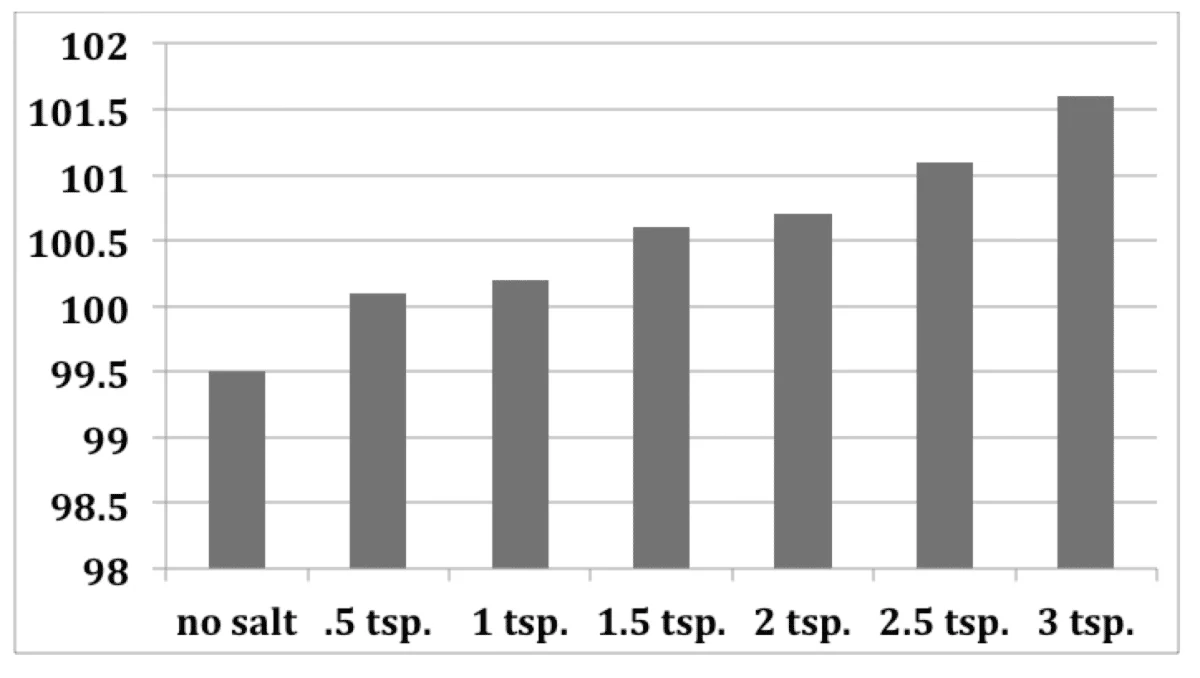
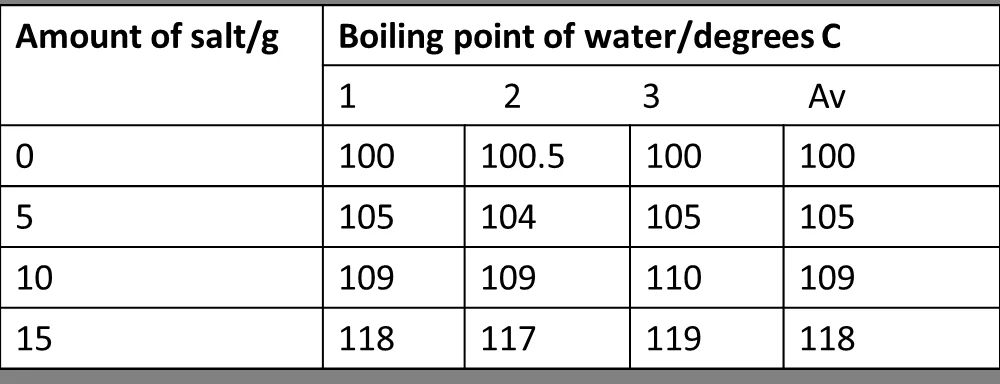
Adding salt to water causes what scientists call “boiling point elevation.” This means that saltwater boils at a temperature slightly higher than pure water. In practice, this occurs because the salt ions cause the water molecules to require more heat energy to escape into the gas phase. For example, a pot of salted pasta water might boil at around 100.5°C or even slightly higher, depending on salt concentration.
How Amount of Salt Changes Boiling Temperatures
The more salt dissolved in the water, the higher the boiling point will be, but the change is generally small for typical cooking amounts. For instance, a teaspoon of salt in a liter of water might raise the boiling point by less than half a degree Celsius. To observe a significant rise, you’d need to add much more salt, which is impractical and unpleasant for taste. Therefore, while salt does increase the boiling temperature, most kitchen scenarios only see a minimal effect.
Practical Implications in Cooking
Impact on Cooking Times for Different Foods
Because salted water boils at a slightly higher temperature, food cooked in it can potentially cook faster or more thoroughly. For example, pasta or vegetables boiled in salted water might soften a bit quicker compared to unsalted water, thanks to the higher temperature. However, the time difference is often minimal and can be overshadowed by other factors like pot size, heat source, or food quantity.
Imagine a home cook preparing potatoes for mashed potatoes. Adding salt to the boiling water could slightly reduce the cooking time, but the effect might be negligible in everyday practice. It’s more significant to keep the water at a rolling boil to maintain consistent heat rather than obsessing over salt’s minor effect on temperature.
Common Cooking Practices: When to Add Salt
Many chefs recommend adding salt once the water has come to a boil rather than before. This approach avoids corrosion of pots and helps salt dissolve quickly. Some argue that salting earlier helps the water come to a boil a bit faster, but scientific evidence suggests the difference is minimal. In pasta making, adding salt later ensures even seasoning and avoids over-salting because the salt dissolves immediately and flavors the pasta during cooking.
For example, a pasta chef at a busy Italian restaurant might add salt right after the water boils to maintain timing and consistency, rather than salting water for several minutes beforehand.
Myths and Facts About Salted Water Boiling
Does Salt Really Make Water Boil Faster?
A common kitchen myth is that adding salt to water makes it boil faster. In reality, since salt raises the boiling point, salted water actually takes slightly longer to boil if you consider time to reach boiling temperature. However, due to the small quantities of salt used in cooking, the difference is often negligible and easily overlooked.
Consider a scenario where someone adds a tablespoon of salt to a pot of water. It will take longer to reach boiling than pure water because the higher boiling point means the water must get hotter to boil. However, this delay is usually just seconds and rarely affects cooking outcomes significantly.
Debunking Common Cooking Misconceptions
Another misconception is that salted water always improves the flavor of boiled foods by infusing them. While salt does season the water, it primarily flavors the outer surface of the food during boiling. If salt is added after cooking, or in insufficient amounts, the food might taste bland. Moreover, some believe letting water boil vigorously after adding salt improves texture; in truth, cooking time and temperature consistency matter far more for texture.
Tips for Optimal Usage of Salt in Boiling Water
How to Adjust Salt Quantities Based on Recipe
For different recipes, the amount of salt added to boiling water can vary. Pasta water often gets salted until it tastes almost like seawater, roughly 1-2 tablespoons per gallon of water, to ensure proper seasoning. Vegetables might require less salt depending on whether they’re part of a salted broth or intended to be seasoned later.
In a home kitchen scenario, tasting the water after adding salt before cooking can be a useful guide. If the water tastes fairly salty but not overwhelming, the amount is likely sufficient to season the food without causing excessive salinity.
Alternatives to Salt and Their Effects on Boiling
Sometimes cooks use alternatives such as seaweed, bouillon cubes, or herbs to flavor boiling water. These may also affect boiling point slightly due to dissolved solids, but their impact is minor compared to salt. For example, adding kombu seaweed to water imparts umami flavor and trace minerals, affecting taste more than boiling characteristics. Understanding that these alternatives generally don’t change boiling times significantly helps cooks focus on flavor rather than physical changes.
In professional kitchens, chefs might choose bouillon or broth-infused water to cook grains or vegetables for layered flavor, knowing that the minor changes in boiling point do not impede cooking precision.