Understanding the Science of pH in Sauerkraut Fermentation
What is pH and Why It Matters in Fermentation?
pH is a measure of acidity or alkalinity on a scale from 0 to 14, with lower numbers indicating higher acidity and higher numbers indicating alkalinity. In sauerkraut fermentation, pH plays a crucial role because it reflects the activity and progress of beneficial lactic acid bacteria converting sugars in cabbage into acids. Maintaining appropriate pH levels ensures that the environment is acidic enough to promote safe fermentation while discouraging harmful bacteria and spoilage organisms. Without controlling or monitoring pH, the fermentation process can become unpredictable, leading to unsafe or suboptimal results.
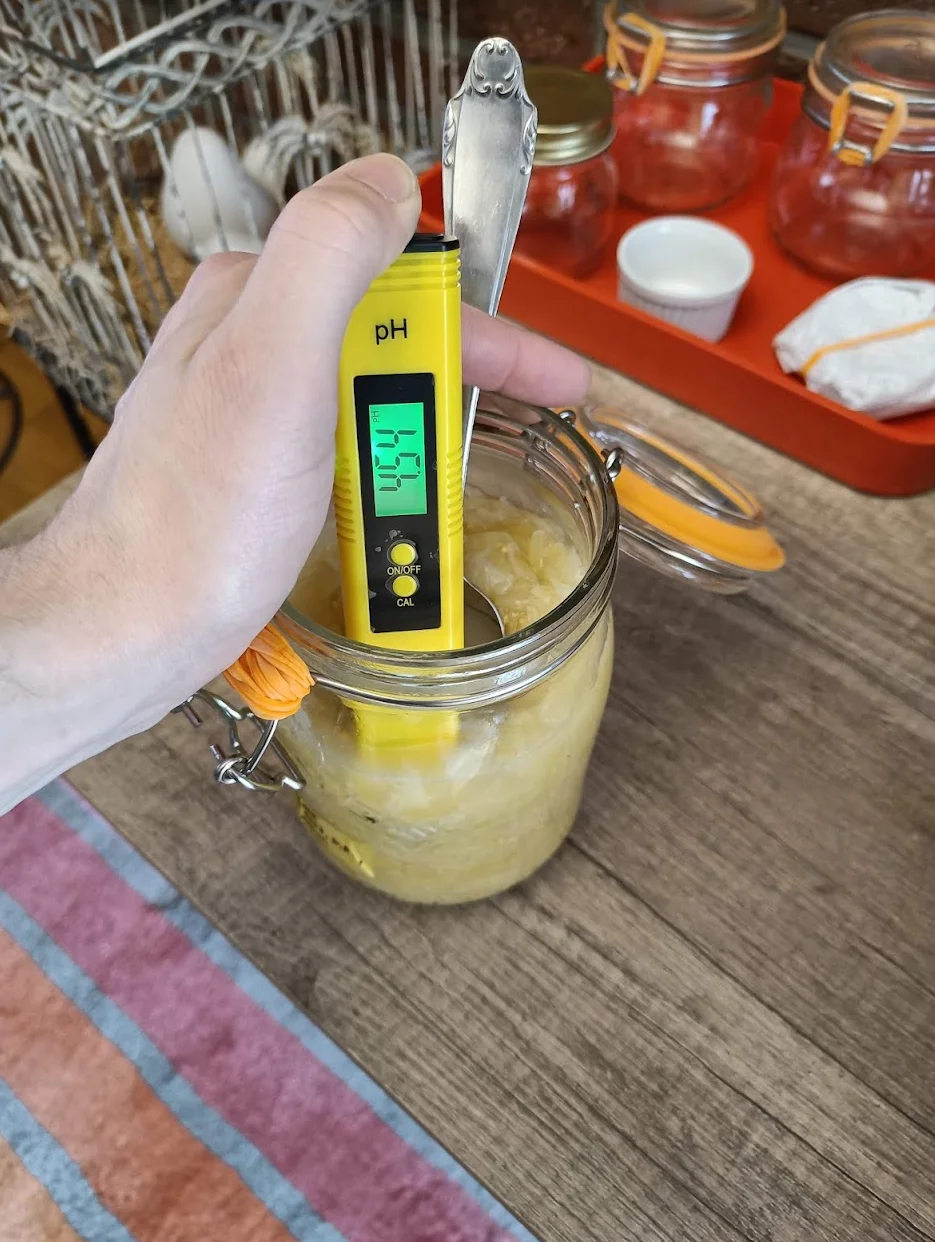
The Ideal pH Range for Sauerkraut
The key to perfect sauerkraut lies in achieving the right pH range throughout fermentation. Typically, fresh cabbage has a pH around 6.0 to 6.5, which is nearly neutral and not yet acidic enough to prevent spoilage. As fermentation proceeds, lactic acid bacteria produce acids that gradually lower the pH. Optimal sauerkraut reaches a pH between 3.5 and 4.0, creating a stable, pleasantly sour flavor and preserving the cabbage effectively. Falling outside this range can signal incomplete fermentation or over-acidification, both of which can negatively affect taste and safety.
Preparing Your Sauerkraut for Optimal pH Control
Selecting the Right Cabbage and Ingredients
The starting quality of your cabbage profoundly influences the fermentation pH. Fresh, firm, and organically grown cabbage generally has a better natural sugar content, which fuels the lactic acid bacteria to produce acid efficiently. Avoid wilted or damaged cabbage, as it lacks the vitality needed for a balanced fermentation. Salt is another vital ingredient, as it not only inhibits unwanted microbes but also encourages the growth of acid-producing bacteria. Using the correct salt-to-cabbage ratio—usually about 2% by weight—helps maintain consistent pH progress.
Tools and Equipment for Measuring pH
Accurate measurement of pH during fermentation requires reliable tools. Digital pH meters calibrated with appropriate buffer solutions provide precise readings, allowing you to track changes daily. Alternatively, pH test strips can offer a rough estimate but lack the accuracy needed for detailed control. Additionally, having a clean container suitable for fermentation and a proper lid or weight to keep cabbage submerged ensures the anaerobic conditions necessary for steady acid production and pH reduction.
Step-by-Step: Monitoring pH Levels During Fermentation
Initial pH Testing: Setting the Baseline
Before sealing your cabbage for fermentation, testing the initial pH establishes a baseline. This starting point, usually just under neutral, helps you understand how far the fermentation must progress to reach the ideal acidic level. Knowing the baseline also highlights if your cabbage or water contains any unexpected contaminants or alkalinity that might hinder the process.
Daily pH Measurements and Adjustments
Regular pH monitoring—ideally daily or every few days—allows you to observe the dynamic changes occurring as lactic acid bacteria metabolize sugars. If the pH drops steadily toward the target range, it indicates healthy fermentation. Should progress stagnate or reverse, it often signals an imbalance such as insufficient salt, temperature issues, or contamination. In such cases, adjustments like adding more salt or maintaining a consistent temperature can help restart proper acidification. Avoid opening the ferment excessively to limit oxygen exposure, which can disrupt pH balance.
Signs of Successful pH Changes in Sauerkraut
Successful fermentation is not only reflected in pH values but also sensory indicators. A steadily declining pH below 4 usually coincides with the development of a pleasant, tangy aroma and flavor. The cabbage texture remains crisp yet tender, and a clean, slightly bubbly environment emerges. When these signs accompany proper pH levels, it confirms that the fermentation is proceeding safely and effectively.
Troubleshooting pH Problems That Can Affect Your Sauerkraut
Common pH Issues and Their Causes
Occasionally, sauerkraut fermentation can face pH-related setbacks. One common issue is a sluggish or stagnant drop in pH, often caused by under-salting, low temperature, or poor-quality cabbage lacking fermentable sugars. Another problem is overly rapid acidification resulting in pH dropping too low, which might create off-flavors or overly soft texture. Additionally, contamination by molds or unwanted bacteria can prevent pH from reaching safe acidic levels, jeopardizing the ferment’s safety and taste.
How to Correct Off pH Levels Safely
When pH does not move into the desired range, corrective actions must focus on restoring favorable fermentation conditions without compromising the product. If pH remains too high, adding a small amount of salt to the surface can encourage lactic acid bacteria growth. Increasing the ambient fermentation temperature to around 65-72°F (18-22°C) also promotes bacterial activity. Conversely, if the pH drops excessively, shortening fermentation time or lowering temperature can mitigate over-acidification. Always discard any sauerkraut showing signs of mold, foul odors, or sliminess, as these indicate harmful microbial growth beyond pH control.
Enhancing Flavor and Texture Using pH Insights
Manipulating pH for Desired Sourness
Understanding pH allows you to tailor your sauerkraut’s sourness to personal preference. By controlling fermentation duration and temperature, you can influence how far the pH drops. Longer fermentation typically yields a lower pH and more intense tang, while a shorter timeframe keeps flavors milder. Tracking pH ensures you stop fermentation at the ideal acidity, preventing an overly sharp taste. This control turns fermentation from a guessing game into a precise culinary technique.
Impact of pH on Sauerkraut Crispness

Crispness is a prized characteristic in sauerkraut but can be compromised if pH moves outside the optimal range. Excessively low pH levels can degrade cabbage cell walls, leading to a mushy or limp texture. Maintaining pH above approximately 3.5 helps preserve firmness while still achieving safety and flavor goals. In contrast, if the pH remains too high due to slow acidification, the cabbage may not be adequately preserved and could spoil. Monitoring pH thus directly supports balancing sourness and texture.
Advanced Tips: Using pH to Experiment with Unique Sauerkraut Recipes
Combining Vegetables and pH Considerations
When expanding beyond traditional cabbage sauerkraut and incorporating other vegetables, understanding pH behavior becomes even more important. Different vegetables have varying sugar content and natural acidity, which affect fermentation dynamics. By measuring pH regularly, you can adjust salt ratios and fermentation time to accommodate these differences. This ensures safe, enjoyable results when experimenting with mixes like carrots, beets, or radishes alongside cabbage.
Creating Custom Fermentation Blends
For those seeking to craft distinct flavor profiles, pH monitoring facilitates safe innovation. Adding herbs, spices, or fruit alters the biochemical environment, potentially impacting acid production. Continual pH tracking helps you identify when the ferment reaches a stable endpoint despite these variables. This knowledge empowers you to develop novel sauerkraut recipes that push creative boundaries without sacrificing quality or safety.