Introduction to Coffee Brewing and Water Temperature
The Science Behind Water Temperature and Coffee Extraction
Brewing coffee is more than just pouring hot water over grounds. The temperature of the water plays a critical role in extracting the desired flavors and aromas from the coffee beans. When water interacts with coffee grounds, it dissolves soluble compounds that contribute to the taste, body, and acidity of the final cup. If the water temperature is too low, the extraction will be incomplete, resulting in a weak or sour brew. Conversely, excessively high temperatures can over-extract the grounds, producing bitterness and undesirable burnt notes. Understanding this science is key to mastering coffee brewing.
Why Temperature Matters More Than You Think
Many casual coffee drinkers overlook water temperature, assuming that hot water is simply hot enough. However, subtle changes in temperature can drastically alter the flavor profile of your coffee. The right temperature balances the extraction of oils, sugars, and acids, ensuring that the coffee tastes rich and well-rounded rather than flat or harsh. Adjusting water temperature according to coffee type, roast level, and brewing method enables you to customize the cup to your preference, making temperature a much more significant variable than it initially appears.
Optimal Water Temperatures for Popular Coffee Types
Espresso: Precision in High Heat
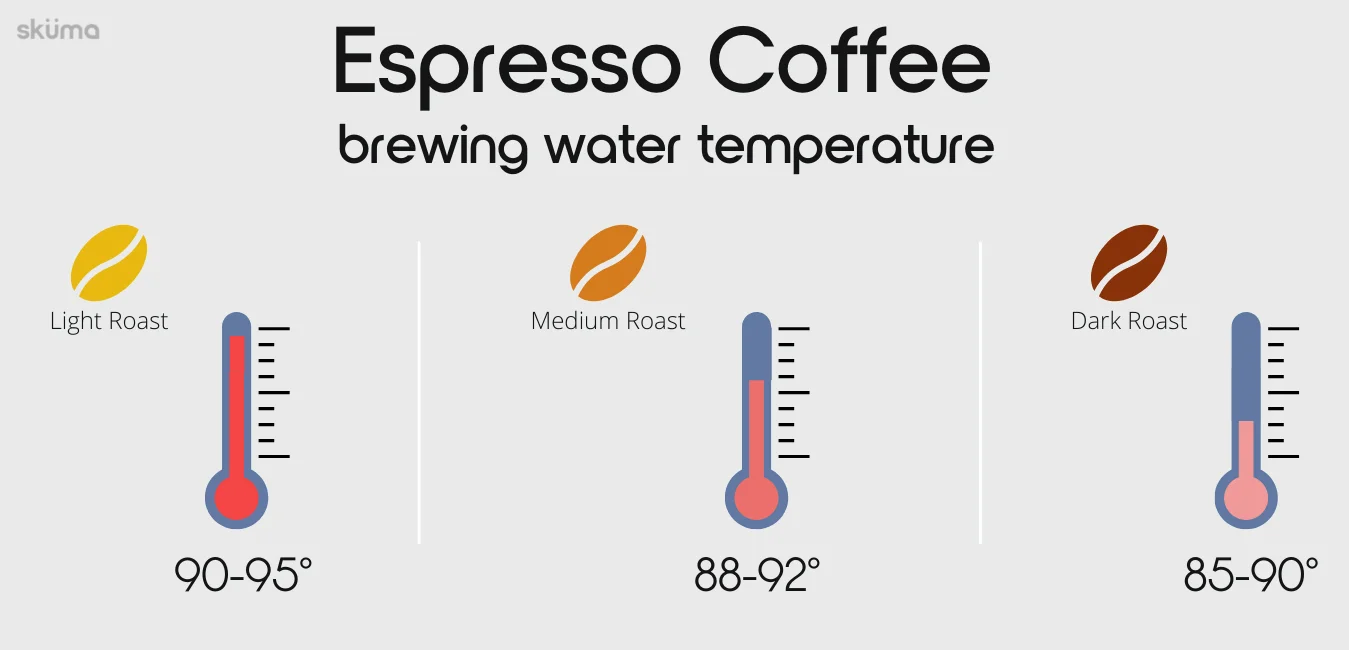
Espresso demands precision in temperature due to its short brewing time and high pressure. Typically, water between 90°C and 96°C (194°F to 205°F) is ideal. If the water is too cool, the coffee will lack the intense flavors and crema that define espresso. Too hot, and it risks extracting bitter compounds quickly. Because espresso machines often have built-in temperature controls, maintaining this narrow temperature range is essential for consistent, high-quality shots.
Drip Coffee: Balancing Flavor and Brew Time

Drip coffee brewing requires a slightly broader temperature range, generally between 92°C and 96°C (198°F to 205°F). This range allows the water to extract a balanced combination of flavor compounds over several minutes. Lower temperatures can result in under-extracted, weak brews, while higher temperatures may cause bitterness or astringency. Maintaining the optimal temperature throughout the drip process is crucial because fluctuations can lead to uneven extraction and off-flavors.
French Press: Embracing a Slightly Lower Temperature
The French press method benefits from slightly lower water temperature, typically around 88°C to 93°C (190°F to 199°F). Unlike drip brewing, the immersion time is longer, usually four minutes or more, so excessively hot water can over-extract the coffee and produce a harsh taste. Lowering the brewing temperature ensures a smoother, fuller-bodied cup with less bitterness, especially important when using darker roasts.
Cold Brew: The Low-Temperature Exception
Cold brew stands apart by using cold or room temperature water over an extended steeping period, generally 12 to 24 hours. Since cold water extracts flavors much more slowly, it avoids many of the bitter compounds that hot water can release. This results in a smooth, mellow cup with naturally lower acidity. While the temperature in cold brewing is intentionally low, attention must still be paid to steeping time and coffee grind size for the best outcome.
Factors Influencing the Ideal Brewing Temperature
Coffee Bean Roast Levels and Their Impact on Temperature
Roast level significantly affects how coffee should be brewed. Light roasts typically retain more delicate acidity and complex flavor notes. They benefit from slightly higher water temperatures within the recommended ranges to extract these nuances fully. Dark roasts, on the other hand, have more pronounced bitters and smoky flavors that can be accentuated by hotter water, sometimes to an unpleasant degree. Lowering brewing temperature helps soften these harsh flavors and maintain balance.
Grind Size Considerations for Different Temperatures
Grind size interacts closely with water temperature to influence extraction. Finer grinds have more surface area, which means they extract faster and may release bitterness quickly if paired with too-hot water. Coarser grinds extract more slowly and can require slightly higher temperatures to dissolve sufficient solubles. Aligning grind size with water temperature creates the perfect synergy to avoid under-extraction or over-extraction, tailored to each brewing method.
Altitude and Water Mineral Content Effects
Environmental factors, including altitude and water mineral content, complicate temperature choices. At higher altitudes, water boils at lower temperatures, which can reduce extraction efficiency. Adjusting the brewing temperature upward within safe limits compensates for this effect. Additionally, water hardness influences how flavors are extracted. Soft water might require different temperature adjustments compared to hard water, as minerals can either enhance or mute flavor compounds. Understanding these factors helps refine temperature choices for consistent quality.
Common Mistakes and How to Avoid Them
Too Hot vs. Too Cold: Identifying Off-Flavors
One of the most common pitfalls in coffee brewing is using the wrong water temperature, leading to undesirable taste profiles. Overly hot water often extracts bitter, astringent, and burnt flavors, overshadowing the coffee’s inherent sweetness and complexity. Too cold water results in sourness, thinness, or weak flavors due to under-extraction. Recognizing these off-flavors enables brewers to adjust temperature precisely and avoid disappointing cups.
How Water Temperature Can Affect Equipment Longevity
Excessively high water temperatures can cause wear and tear on coffee equipment, especially in home setups without professional-grade materials. The constant use of boiling water can degrade plastic components, seals, and internal mechanisms, leading to leaks or malfunction. Allowing water to cool slightly or using temperature-controlled devices not only improves taste but also extends the equipment’s lifespan, protecting your investment.
Innovative Brewing Techniques and Temperature Control
Using Smart Coffee Makers for Precise Temperature Settings
The advent of smart coffee makers has transformed temperature control in brewing. These machines allow users to program exact temperatures, sometimes even adjusting dynamically during the brewing cycle. This precision solves many problems associated with manual temperature errors and inconsistencies. Smart makers enable experimentation with different coffee types, ensuring the water is always at the optimal temperature to extract perfect flavor.
Tech Tips: Thermometers and Temperature Control Tools
For those without smart devices, investing in a reliable thermometer or using temperature control kettles can dramatically improve brewing results. These tools let brewers measure and adjust water temperature before pouring, eliminating guesswork. Coupling these with timers and scales ensures the entire brewing process is meticulous and reproducible. Simple tools like these turn a routine coffee preparation into an exact science that maximizes taste.
Conclusion: Finding Your Perfect Brew Temperature
Mastering the ideal water temperature for brewing coffee requires understanding the interplay between coffee type, roast level, grind size, and environmental factors. The right temperature unlocks the fullest flavor potential of your beans while avoiding common pitfalls like bitterness or sourness. Whether you’re pulling an espresso shot or steeping a cold brew, being mindful of temperature and using precise tools can elevate your coffee experience. Experiment within recommended ranges, listen to your palate, and soon you’ll discover the perfect brew temperature that suits your taste and brewing style.