Understanding the Science Behind Crispy Chicken Skin
How Moisture Affects Skin Texture
When you roast chicken, the moisture trapped beneath the skin plays a crucial role in determining its texture. If the skin is wet or has excess water, it creates steam during cooking, which prevents it from crisping up properly. That’s why drying the chicken thoroughly before roasting is essential. Essentially, moisture is the enemy of crunch in this context because it softens the skin rather than allowing it to become golden and crispy.
The Role of Fat in Crispiness
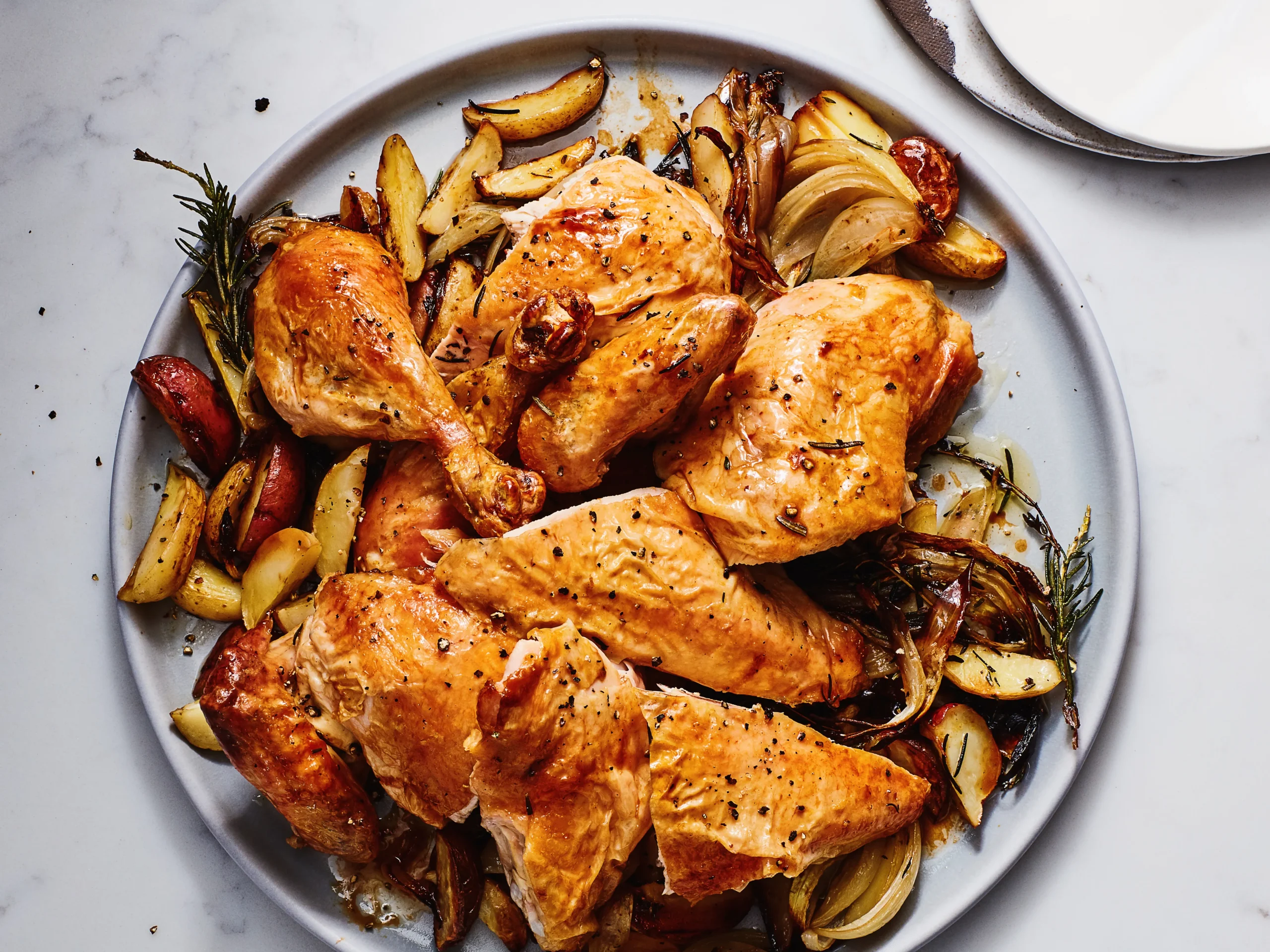
Fat is another key player in making that skin irresistibly crispy. Chicken skin naturally contains fat, and as it renders during roasting, it bastes the skin, adding flavor and texture. The fat melts away moisture and helps the skin to brown evenly. When done right, the fat under the skin creates a barrier that locks in juiciness while the surface crisps beautifully.
Preparation Techniques for Perfectly Crispy Skin
Choosing the Right Chicken Cut
Not all chicken cuts are created equal when it comes to achieving crispy skin. For starters, bone-in, skin-on pieces like thighs, legs, or a whole bird generally yield better results than boneless breasts. The skin on these cuts has more fat and thicker layers, which help in crisping up nicely. Whole chickens offer the advantage of uniform cooking, but individual pieces can roast faster and more evenly if handled properly.
Effective Drying Methods Before Roasting
One simple trick that professional chefs swear by is patting the chicken dry with paper towels, sometimes even letting it air dry in the refrigerator overnight. This drying process removes surface moisture, which is critical for crisp skin. Some cooks go a step further by salting the skin and leaving the chicken uncovered on a rack in the fridge, allowing the salt to draw out even more moisture.
Seasoning Tips That Enhance Crispiness
Seasoning isn’t just for flavor; it can impact texture too. Salt is your best friend here because it helps dry out the skin as it seasons the meat. A light dusting of salt before cooking can make a noticeable difference. Some chefs add aromatic spices or herbs, but avoid heavy wet marinades that might add unwanted moisture and sabotage the crisping process.
Optimal Roasting Methods and Temperatures
High Heat vs. Low and Slow Cooking
When it comes to roasting chicken for crispy skin, temperature matters. High heat encourages the skin to brown and crisp quickly, sealing in juices beneath. Cooking at around 425°F (220°C) for the last part of roasting is a popular technique to get that golden crust. Low and slow cooking may produce tender meat but often leaves the skin rubbery or soft.
The Importance of Oven Placement
Where you position your chicken in the oven can influence how evenly it crisps. Placing the chicken on a rack in the middle or upper part of the oven allows hot air to circulate beneath, which helps dry out the skin and promote even browning. Avoid placing the chicken too close to the heating element to prevent burning, but not too low where it can become soggy from drippings.
Additional Tricks to Boost Skin Crispiness
Using Baking Powder or Cornstarch
Some home cooks swear by sprinkling a tiny bit of baking powder or cornstarch on the skin before roasting. Baking powder raises the pH level on the surface, speeding up browning and crisping. Cornstarch, on the other hand, absorbs excess moisture and creates a slight crust. Both are subtle hacks that can tip the scale toward ultra-crisp skin without altering the flavor.
Applying Fat: Butter, Oil, and Beyond
Adding an extra layer of fat before roasting can enhance crispiness and add flavor. Brushing the skin with melted butter or a light coating of a neutral oil such as canola or vegetable oil helps conduct heat and promotes browning. Some chefs mix herbs or spices into the fat for an aromatic touch while ensuring the skin stays nicely coated.
Troubleshooting Common Issues
Why Is My Chicken Skin Soggy?
Soggy skin usually means there’s too much moisture, either from not drying properly beforehand or cooking at too low a temperature. Another culprit can be overcrowding the pan, which traps steam and prevents crisping. Ensuring proper airflow around the chicken and removing excess water are key steps to avoid that frustrating soggy result.
How to Fix Underseasoned or Unevenly Cooked Skin
If you find your chicken skin bland or patchy, seasoning might have been uneven or insufficient. Applying salt well in advance—or even a final seasoning towards the end of cooking—can help. For uneven cooking, repositioning the chicken during roasting or finishing with a quick broil can even out the skin’s color and texture. Just keep an eye to prevent burning.