Understanding the Importance of Non-Toxic Cookware
The Health Risks of Conventional Non-Stick Cookware
Many home cooks rely on traditional non-stick cookware for convenience, but these pans often contain chemicals that can pose health risks. Conventional non-stick coatings frequently use substances like perfluorooctanoic acid (PFOA) and polytetrafluoroethylene (PTFE), which may release toxic fumes when overheated. Prolonged exposure to these chemicals has been linked to respiratory issues and other adverse effects. Moreover, worn or scratched coatings can leach harmful compounds into food, undermining both safety and flavor.
Key Ingredients to Avoid for Safe Cooking
To protect your health, it’s essential to steer clear of cookware that includes PFOA, PFAS, lead, cadmium, and other heavy metals. These chemicals tend to accumulate in the body and have been associated with hormone disruption and other chronic conditions. Understanding the materials and coatings used in your pans helps you make safer choices and reduces unnecessary exposure to toxins that conventional non-stick options may contain.
Top Materials for Non-Toxic Non-Stick Cookware
Ceramic Coatings: Benefits and Limitations
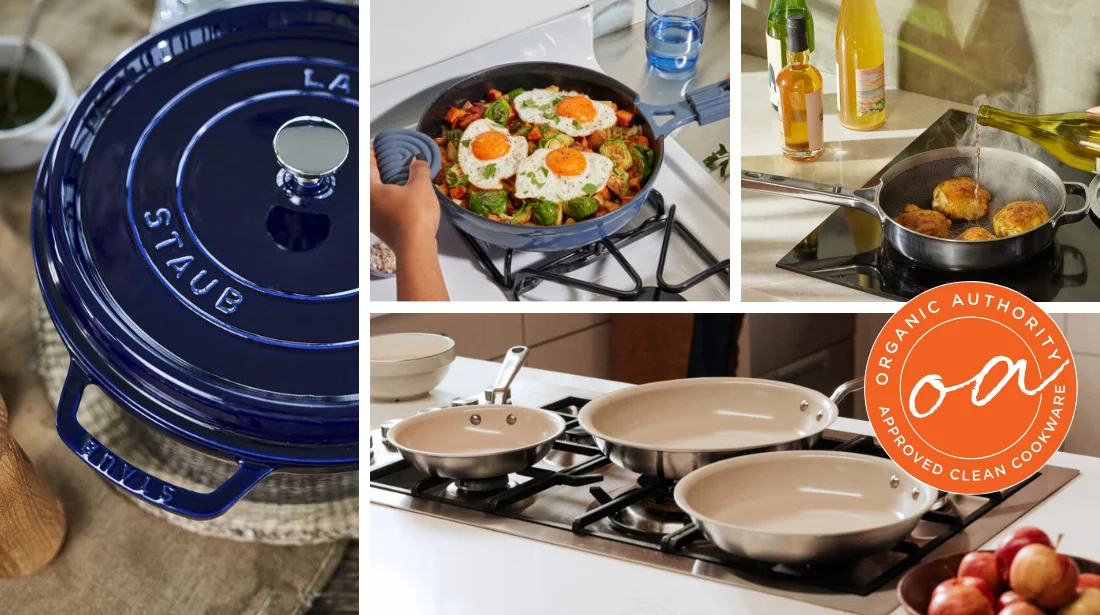
Ceramic-coated cookware offers a promising non-toxic alternative. These pans use a silica-based coating that provides a smooth, naturally non-stick surface without harmful chemicals. They heat evenly and are generally more environmentally friendly. However, ceramic coatings can be more fragile than traditional non-stick surfaces and may lose their non-stick properties over time, especially with frequent use of metal utensils or harsh cleaning methods.
Cast Iron and Enameled Cast Iron Essentials
Cast iron is highly praised for its durability and natural non-stick qualities when properly seasoned. It doesn’t rely on synthetic coatings and can last generations with proper care. Enameled cast iron brings a non-toxic, easy-to-clean surface that combines the heat retention benefits of cast iron without the need for seasoning. Both options avoid chemicals used in conventional cookware, making them excellent choices for health-conscious cooks.
Stainless Steel with Non-Toxic Coatings
Stainless steel cookware is well-known for its robustness and chemical stability, but it traditionally lacks non-stick properties. Newer models have incorporated non-toxic coatings that maintain safe cooking surfaces without harmful additives. This combination offers an effective balance between durability and ease of cleaning. However, the longevity of the non-stick function depends largely on the quality of the coating and adherence to manufacturer care instructions.
Expert Picks: Best Brands for Non-Toxic Non-Stick Cookware
Eco-Friendly Ceramic Sets
Brands specializing in eco-friendly ceramic cookware have gained attention for their commitment to safety and sustainability. These companies prioritize non-toxic materials and manufacturing processes, often providing detailed transparency about the absence of harmful chemicals. Their products usually offer bright, attractive designs and are ideal for those wanting a natural cooking surface without sacrificing convenience.
Durable Cast Iron Choices
Reputable cast iron brands are known for their craftsmanship and quality assurance. They emphasize the use of pure iron and safe enameling processes that exclude toxins like lead and cadmium. Choosing these options guarantees a pan that not only performs well but also fits the health-conscious lifestyle by avoiding synthetic chemicals entirely.
Innovative Stainless Steel Options
Some manufacturers have introduced cutting-edge stainless steel cookware featuring advanced non-toxic coatings. These brands combine innovation with safety, creating pans that resist sticking while maintaining chemical integrity. These options appeal to cooks who want a modern look and feel without compromising on health considerations.
How to Maintain and Extend the Life of Non-Toxic Cookware
Cleaning Tips to Preserve Non-Stick Surfaces
Maintaining the non-stick quality of your cookware requires gentle care. Avoid abrasive scrubbers and harsh detergents that can damage the surface. Instead, use soft cloths or sponges with mild dish soap. Allow pans to cool before cleaning to prevent warping or damage. Tackling leftover food immediately after cooking also helps preserve the surface and reduces buildup that can degrade performance.
Storage and Use Recommendations for Longevity
Proper storage is critical to prevent scratches and maintain the integrity of the non-toxic coatings. Avoid stacking pans directly on top of one another without protective liners. When cooking, use wooden or silicone utensils instead of metal to minimize surface abrasion. Controlling cooking temperatures and not overheating your pans will also extend their lifespan and keep them safe to use over the long term.
Conclusion: Making the Best Choice for Your Kitchen and Health
Investing in non-toxic non-stick cookware is essential for health-conscious home cooks who want to avoid harmful chemicals while enjoying the convenience of stick-resistant cooking. By understanding the risks of conventional options and exploring safer materials like ceramic, cast iron, and coated stainless steel, you can make informed decisions that benefit both your well-being and your kitchen experience. With the right care and maintenance, these choices will provide years of reliable, toxin-free performance, supporting a healthier lifestyle without sacrificing cooking quality.