Introduction to Cast Iron Skillets
Why Choose Cast Iron?
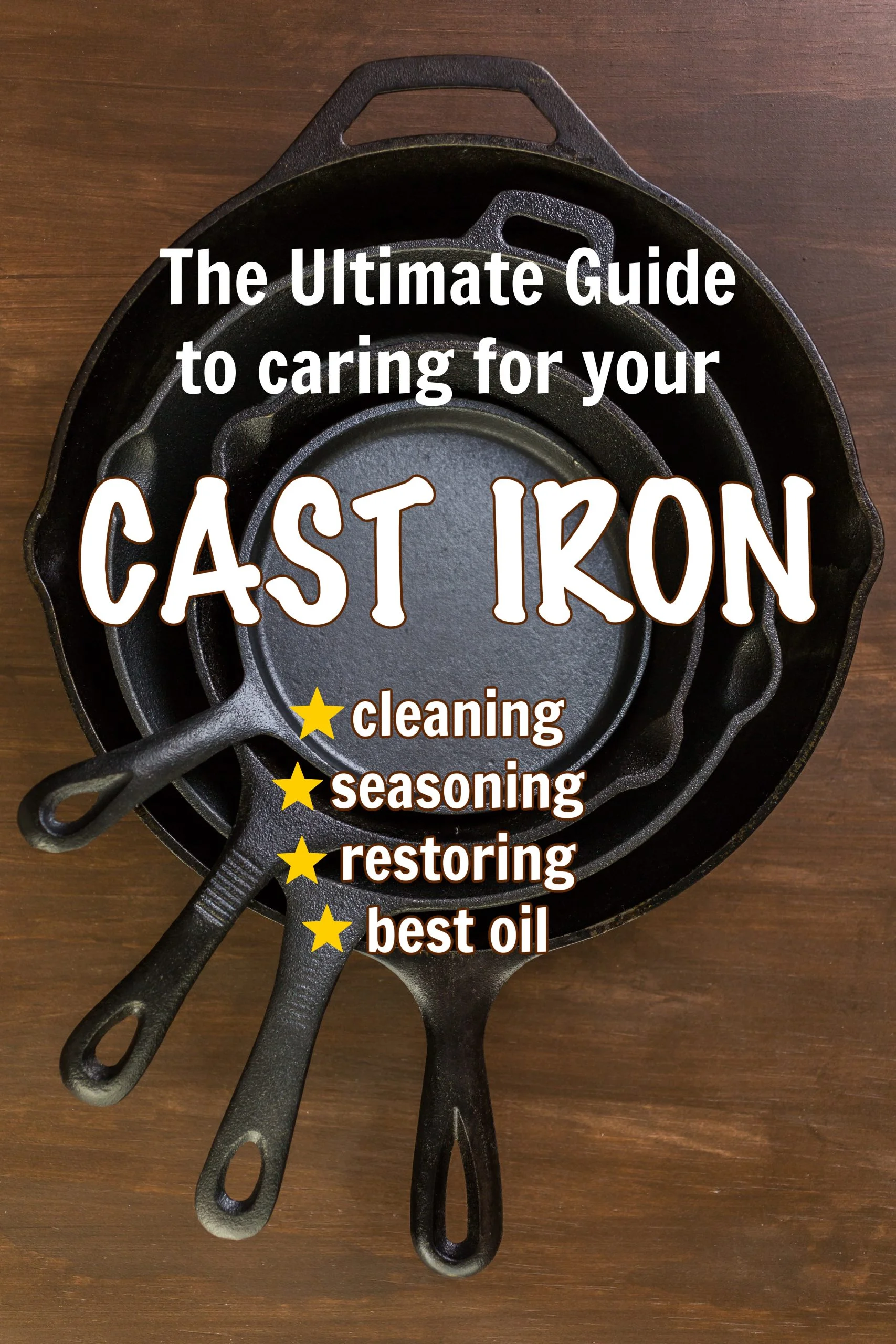
Cast iron skillets have stood the test of time in kitchens around the world for a good reason. They offer unmatched heat retention and even cooking, making them ideal for everything from searing steaks to baking cornbread. Unlike non-stick pans, cast iron improves with age, developing a natural seasoning that enhances flavor and performance. Their versatility and durability make them a beloved tool in both home and professional kitchens.
Benefits of Proper Maintenance
Maintaining your cast iron skillet well not only ensures it performs optimally but also extends its lifespan for decades. When cared for correctly, these skillets resist rust, develop a non-stick surface naturally, and become increasingly flavorful over time. Proper upkeep prevents common issues like rust, sticky seasoning, and uneven cooking surfaces, keeping your skillet reliable whether you’re cooking a quick weeknight meal or hosting a special dinner.
Initial Setup: Preparing Your Cast Iron Skillet
Seasoning Explained
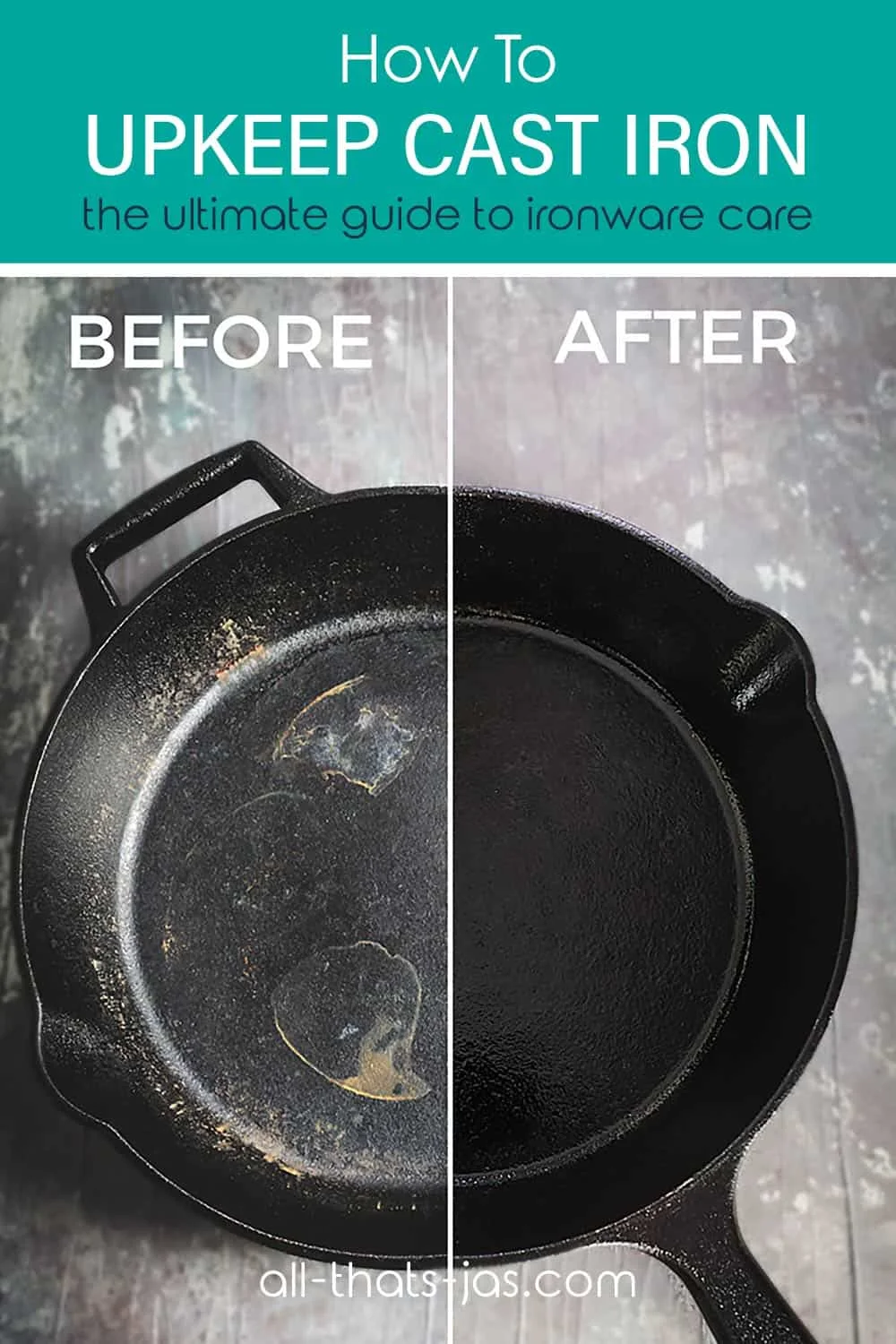
Seasoning is the process of coating the skillet with oil and heating it to create a polymerized layer that protects the metal and enhances its non-stick qualities. This layer seals the porous surface of cast iron, preventing rust and making the skillet easier to clean. Without this protective seasoning, your pan would be vulnerable to corrosion and food would stick more readily.
Step-by-Step Seasoning Process
Start by washing your new skillet with warm, soapy water to remove factory residues. Dry it thoroughly, then apply a thin layer of high-smoke-point oil like flaxseed or vegetable oil all over the pan, including the handle. Place it upside down in the oven with a foil-lined tray underneath to catch drips. Bake at around 450°F (230°C) for an hour, then let it cool completely inside the oven. This initial seasoning forms a strong base, readying your skillet for cooking adventures.
Daily Cleaning Practices
What to Avoid When Cleaning
After cooking, it’s tempting to reach for harsh detergents or scrubbers, but these can strip the seasoning from your skillet. Avoid soaking the pan in water for long periods and steer clear of dishwasher use, as both can promote rust. Abrasive cleaners or steel wool should be reserved for deep cleaning, not daily maintenance.
Recommended Cleaning Tools and Methods
For most cleanups, simply wipe the skillet with a paper towel or rinse it under warm water. If stuck-on food remains, a gentle scrub with a non-metal brush or a chainmail scrubber works wonders without damaging the seasoning. After cleaning, dry your skillet immediately and apply a light coat of oil to keep it protected and ready for next use. This simple routine preserves the seasoning and prevents rust from creeping in.
Deep Cleaning and Restoration
Removing Rust and Stubborn Residue
Sometimes, even with good care, rust or tough residue can develop. For rust, start by scrubbing the affected areas with steel wool or a rust eraser until all flakes are gone. You might need to sprinkle coarse salt as an abrasive to loosen stubborn bits. Once clean, rinse and dry thoroughly to avoid further rusting. For heavy buildup, a vinegar soak diluted with water can help break down grime—just watch the time carefully so you don’t damage the iron.
Re-seasoning After Deep Cleaning
After removing rust or residue, your skillet’s seasoning will be compromised and needs to be rebuilt. Follow the same seasoning process used during the initial setup. Applying multiple thin layers of oil and baking between coats creates a durable, smooth surface. This restoration not only brings your skillet back to life but often improves its cooking performance.
Tips for Cooking with Cast Iron
Best Foods to Cook
Cast iron excels with dishes requiring high heat and even cooking such as frying bacon, searing steaks, or roasting vegetables. It’s also fantastic for baking cornbread or even pizza due to its heat retention. Acidic foods like tomatoes or vinegar-based sauces should be cooked briefly or carefully, especially in newer pans, to avoid damaging the seasoning layer.
Temperature Management Techniques
Patience is key when heating cast iron. Unlike thin pans, cast iron takes time to warm evenly. Preheat your skillet gradually on medium heat before increasing to your desired cooking temperature. Avoid sudden temperature changes, such as rinsing a hot pan with cold water, which can cause warping or cracking. With practice, you’ll learn to gauge the heat perfectly, unlocking the skillet’s full potential.
Storage Solutions for Longevity
Ideal Environment to Prevent Rust
Store your cast iron skillet in a dry place where humidity is low to prevent rust formation. Avoid stacking it directly against other cookware that might trap moisture. If you live in a particularly humid area, placing a paper towel or cloth inside the pan can help absorb excess moisture. Proper storage maintains seasoning integrity and prevents unpleasant rust buildup.
Protecting Skillet During Long Periods of Inactivity
If you won’t be using your skillet for a while, it’s essential to prepare it properly. After cleaning and drying, apply a generous coat of oil and cover the pan with a breathable cloth or paper towel. Storing it uncovered or sealed tightly can trap moisture, so ensure some airflow to keep the skillet dry. Taking these steps keeps your cast iron ready for action, no matter how long it sits.
Troubleshooting Common Issues
Uneven Cooking Surface
If your skillet develops hot spots or uneven seasoning, it might need additional layers of seasoning or better heat management. Re-seasoning with multiple thin coats of oil can smooth out rough patches and improve heat distribution. Also, ensure you’re preheating the pan properly before cooking, giving the iron time to distribute heat evenly.
Sticky or Flaky Seasoning Fixes
Sticky or flaky seasoning usually results from applying too much oil or insufficient heating during seasoning. To fix this, gently scrub the skillet with warm water and a mild abrasive like salt. Dry it thoroughly and apply thin, even coats of oil, baking between layers to build a stable surface. With patience, the seasoning will become smooth, non-stick, and durable.
Expert Advice and Best Practices
Seasoning Variations for Different Uses
Different cooking styles might benefit from tailored seasoning approaches. For example, if you often cook delicate fish, a smoother, well-developed seasoning layer reduces sticking. For high-heat searing, a robust seasoning formed with flaxseed oil tends to be very durable. Experimenting with oils and number of seasoning coats can help customize your skillet to your favorite dishes.
Maintaining Multiple Cast Iron Pieces
If you have several cast iron pans or accessories, maintain consistency by cleaning and seasoning each piece regularly. Avoid mixing seasoning styles but feel free to experiment to find what works best. Using all your pans frequently prevents rust and keeps seasoning fresh. Remember, cast iron gets better with use, so don’t be afraid to embrace these culinary workhorses for all your cooking needs.