Understanding Natural Thickeners
What Are Natural Thickeners?
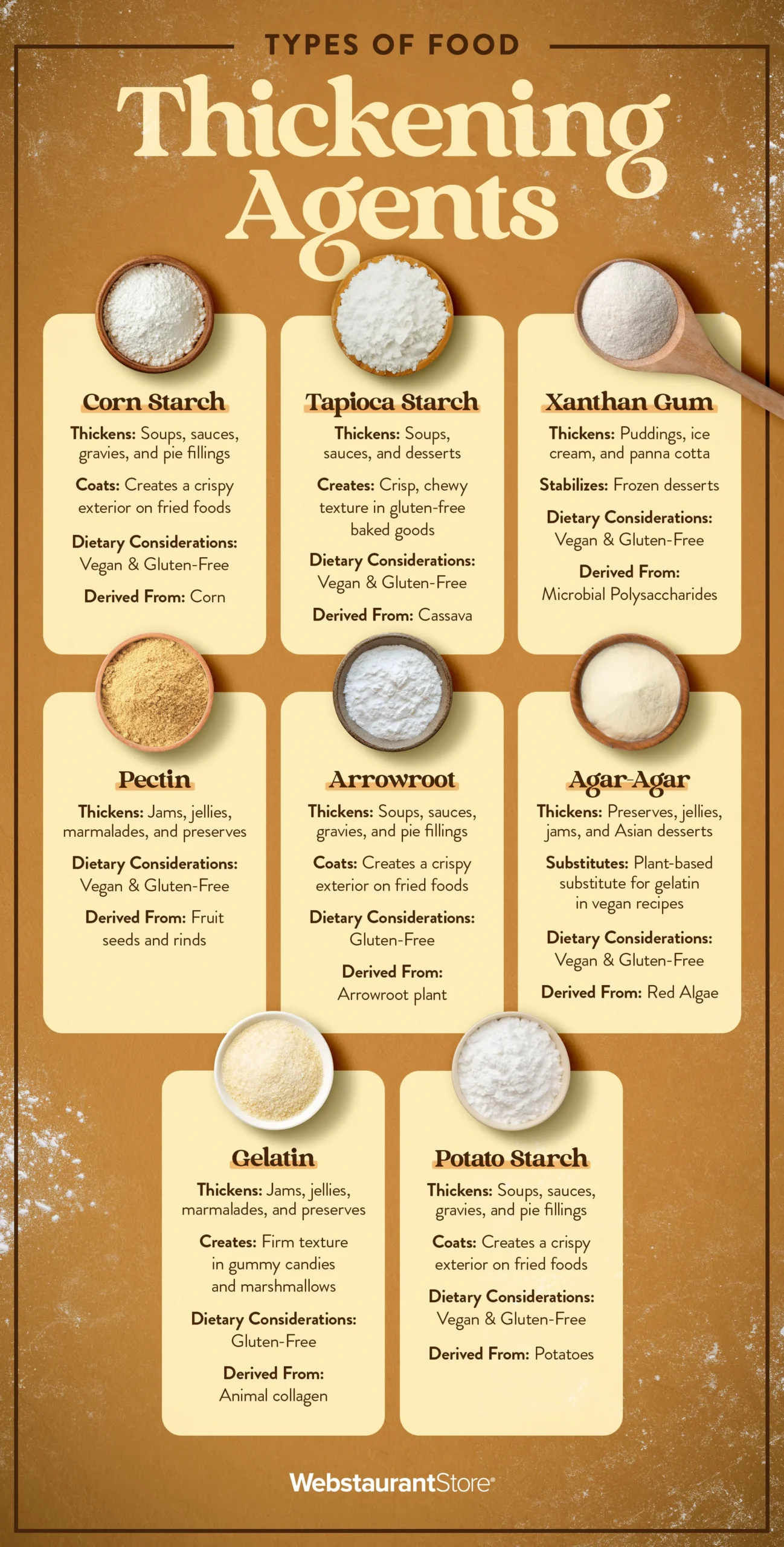
Natural thickeners are ingredients derived from plant-based sources that are used to add body and viscosity to sauces, soups, and other dishes. Unlike synthetic or chemical thickeners, these come from whole foods or minimally processed ingredients, such as starches, seeds, and fibers. They work by absorbing liquid and swelling, creating a thicker texture that enhances the mouthfeel and consistency of the food.
Benefits of Using Natural Thickeners Over Artificial Ones
Choosing natural thickeners offers several advantages. Firstly, they are often more nutritious and free from synthetic additives or preservatives. This aligns well with health-conscious cooking and clean eating trends. Additionally, natural thickeners tend to have a more subtle, complementary impact on flavor, preserving the dish’s original taste. They are also usually easier to digest and better suited for people with dietary restrictions or allergies, making them a safer, more wholesome option overall.
Types of Natural Thickeners
Common Options: Flour, Cornstarch, and Arrowroot
Flour, cornstarch, and arrowroot are widely used in kitchens because they are affordable, easy to find, and versatile. Flour provides a sturdy thickness but often requires longer cooking to avoid a raw taste. Cornstarch offers a glossy finish and thickens quickly at lower temperatures, making it ideal for delicate sauces. Arrowroot, extracted from tropical roots, gives a clear, smooth texture and holds up well in acidic and frozen dishes, making it a favorite for transparent glazes and fruit sauces.
Less Common but Effective: Psyllium Husk, Chia Seeds, and Agar-Agar
Beyond the staples, less conventional thickeners like psyllium husk, chia seeds, and agar-agar provide interesting alternatives with unique properties. Psyllium husk absorbs large amounts of water, forming a gel that is excellent for soups needing body without altering flavor. Chia seeds swell into a gelatinous mass, making them suitable for cold preparations and imparting subtle nutritional benefits. Agar-agar, derived from seaweed, creates firm gels and is perfect for vegetarian or vegan dishes that require a jelly-like texture.
Choosing Based on Dietary Needs: Gluten-Free and Vegan Options
Dietary restrictions often guide the choice of thickeners. For gluten-free cooking, cornstarch, arrowroot, and tapioca are safe bets, whereas traditional wheat flour should be avoided. For vegan recipes, agar-agar and plant-based gums work well since they contain no animal products, unlike gelatin. It’s important to match the thickener to both dietary needs and recipe requirements to ensure compatibility and desired results.
Factors to Consider When Selecting a Thickener
Texture and Consistency Desired
One of the key considerations is the texture you wish to achieve. Some thickeners create a smooth, silky finish, while others may yield a more substantial, hearty feel. For example, arrowroot produces a delicate, translucent consistency perfect for light sauces, whereas flour might give a denser, creamier body suitable for rich gravies. Understanding the final mouthfeel you want helps narrow down the suitable thickener.
Flavor Impact on Sauces and Soups
The choice of thickener also affects flavor. Natural options like chia or psyllium husk have minimal taste, preserving the dish’s natural flavors. On the other hand, flour may add a slight nutty undertone, while some starches might impart a bland or slightly sweet note. Selecting a thickener that complements or remains neutral in flavor is essential to avoid overpowering delicate ingredients in your sauces or soups.
Cooking Temperature and Time Compatibility
Different thickeners behave uniquely under heat. Cornstarch thickens quickly but can break down if overheated for long periods, losing its thickening power. Flour needs prolonged cooking to remove its raw taste, making it ideal for dishes that simmer. Agar-agar sets when cooled, so it is best added at specific stages. Considering the cooking duration and temperature will determine which thickener integrates seamlessly without compromising texture or flavor.
Step-by-Step Guide to Using Natural Thickeners
Preparation Techniques for Different Thickeners
Proper preparation is crucial for achieving the best results. Flour and cornstarch typically require mixing with cold water to create a slurry before adding to hot liquid to prevent lumps. Arrowroot should also be dissolved in cold water and added towards the end of cooking for maximum effect. Psyllium husk and chia seeds often need soaking to hydrate fully and develop their gel-like consistency. Agar-agar usually must be boiled to activate its thickening properties.
How to Incorporate Into Sauces Versus Soups
When thickening sauces, it is best to add the thickener gradually while stirring constantly to monitor the texture. For thicker sauces, sometimes a second addition is needed after simmering to adjust the consistency. In soups, because they have larger liquid volumes and more ingredients, thickeners should be introduced slowly and evenly stirred to avoid clumping. It helps to add them during the final stages to maintain the soup’s flavor integrity.
Troubleshooting Common Issues Like Clumping and Over-Thickening
Clumping often occurs when thickeners are added directly to hot liquids without pre-mixing, so always make a slurry first. Over-thickening can result from adding too much thickener or cooking too long after adding it. If this happens, thinning out the sauce or soup with extra broth or water and reheating gently helps restore balance. Understanding how each thickener reacts during cooking prevents these issues and ensures smooth textures.
Creative Recipes Showcasing Natural Thickeners
Classic Tomato Sauce with Arrowroot
A simple tomato sauce thickened with arrowroot offers a glossy, vibrant finish. Begin by simmering crushed tomatoes with garlic and herbs. Towards the end, dissolve arrowroot in cold water and stir it into the sauce, cooking just a few minutes until it thickens. This method preserves the bright flavor and provides a smooth texture without cloudiness.
Hearty Vegetable Soup Using Flaxseed Gel
Flaxseed gel is a nourishing thickener perfect for hearty vegetable soups. Soak ground flaxseeds in warm water until a gel forms, then stir it into cooked vegetables and broth. The gel adds body and a subtle nutty flavor, enhancing the soup’s richness while supplying added fiber and nutrients.
Dairy-Free Creamy Mushroom Sauce with Cashew Paste
For a dairy-free creamy mushroom sauce, cashew paste is an excellent natural thickener. Soak cashews in water, then blend into a smooth paste. Cook mushrooms with garlic and onions, then stir in the cashew paste and simmer gently until the sauce thickens. This technique creates a luscious, velvety texture that complements mushrooms without dairy.