Understanding Xanthan Gum: The Basics
What Is Xanthan Gum?
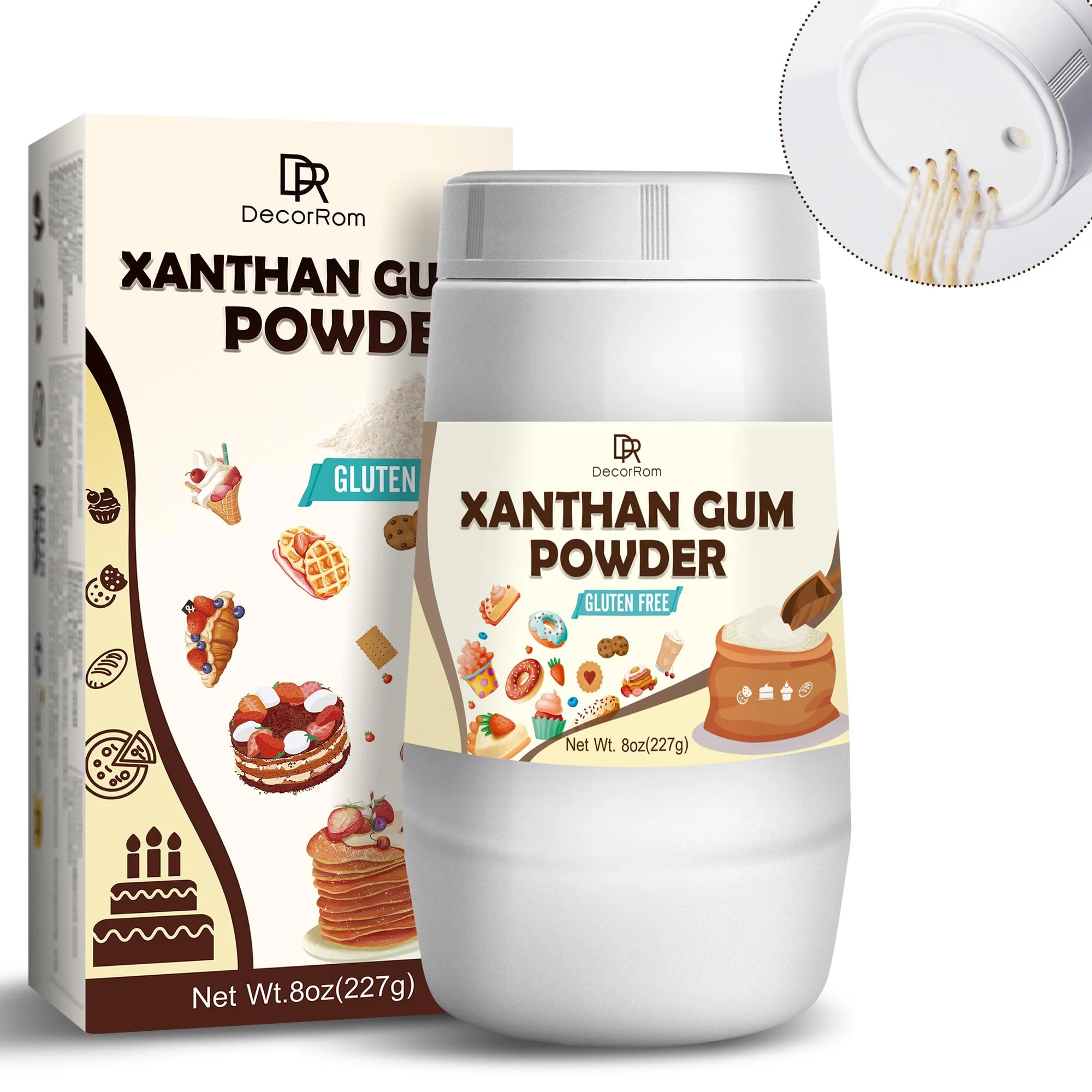
Xanthan gum is a natural polysaccharide produced through the fermentation of sugars by a specific type of bacteria known as Xanthomonas campestris. This gum appears as a fine, white powder that dissolves easily in both hot and cold liquids, making it highly versatile in cooking and baking. Its unique properties allow it to act as a thickener, stabilizer, and emulsifier, which are particularly valuable in gluten-free baking where traditional gluten structure is missing.
Its Role in Gluten-Free Baking
In gluten-free baking, xanthan gum is essential because it mimics the elasticity and binding qualities that gluten provides in wheat-based recipes. Without gluten, baked goods often become crumbly, dry, or lack structure. Xanthan gum creates a network that traps air bubbles and moisture, helping dough or batter rise and maintain shape during baking. This results in a more familiar texture and consistency that gluten-free bakers often struggle to achieve.
Why Choose Natural Thickeners?
Natural thickeners like xanthan gum are preferable to synthetic additives because they offer clean-label benefits and are generally recognized as safe by food regulatory agencies. These options provide improved texture without altering flavor or nutritional value. Moreover, for those who prioritize natural ingredients in their diet, xanthan gum represents a trustworthy choice that supports both dietary needs and culinary goals.
Benefits of Using Xanthan Gum in Gluten-Free Recipes
Improving Texture and Consistency
One of the primary advantages of xanthan gum is its ability to impart a smooth, cohesive texture to gluten-free baked goods. It prevents ingredients from separating and gives dough an elasticity that is otherwise missing in flour blends free from gluten. This creates baked items that feel more tender and less brittle, closely resembling traditional baked goods made with wheat.
Enhancing Shelf Life
Xanthan gum also plays a crucial role in extending the freshness of gluten-free foods. Its moisture-retaining qualities slow down the drying process, thus keeping bread, muffins, and cakes moist for longer periods. This is especially important since many gluten-free products tend to stale faster due to their different structure and ingredients compared to regular wheat-based recipes.
Boosting Dough Elasticity and Binding
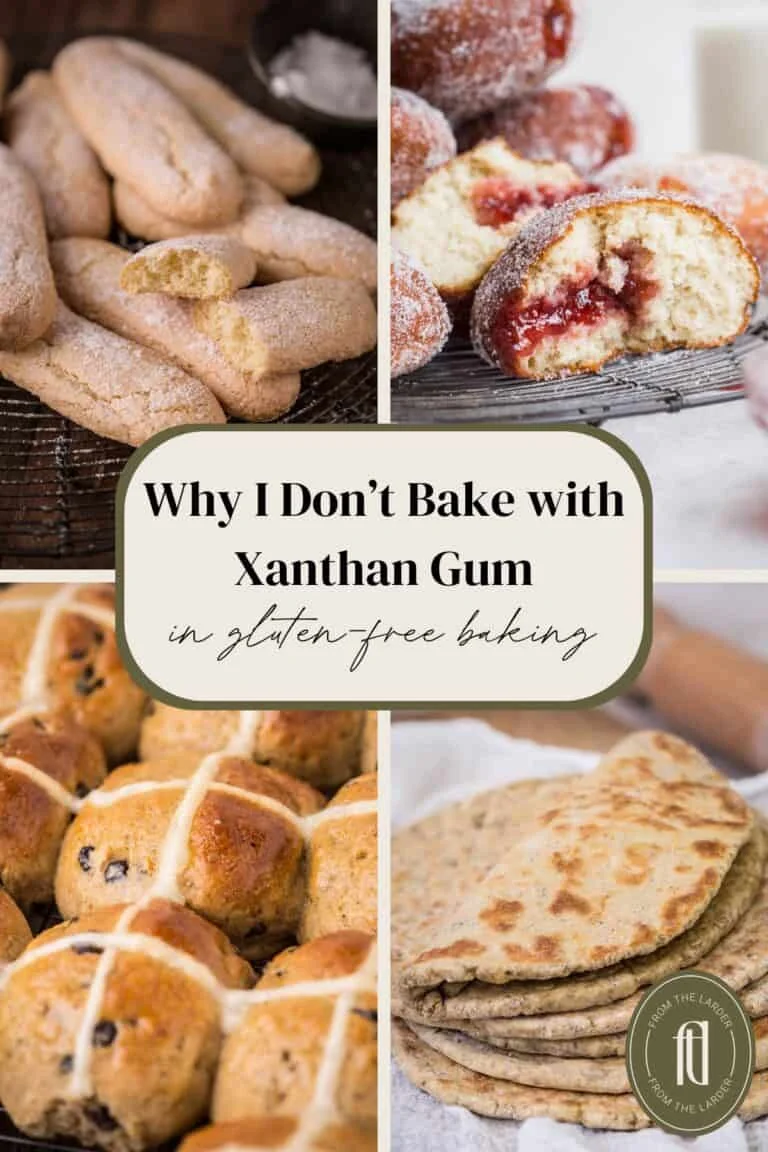
In gluten-free baking, the absence of gluten often leads to doughs that lack stretch and hold, making shaping and handling difficult. Xanthan gum acts to bind the ingredients together, improving elasticity. This helps the dough rise well during baking, reduces crumbling, and enhances the overall structural integrity of the final product.
Step-by-Step Guide to Using Xanthan Gum
Determining the Right Amount
Using xanthan gum requires precision. Generally, the amount varies depending on the type of recipe. For cakes, you might use around ¼ teaspoon per cup of gluten-free flour, while breads often require closer to 1 teaspoon per cup. Adding too little won’t provide enough binding, resulting in brittle products, while too much can cause a gummy texture. It’s best to start with recommended amounts and adjust based on your specific flour blend and recipe needs.
Mixing Techniques for Best Results
To ensure xanthan gum is evenly distributed, it’s important to blend it thoroughly with dry ingredients before adding liquids. This prevents clumping and uneven textures in the final product. In some cases, pre-mixing xanthan gum with flour using a whisk or sifter yields better incorporation. Once combined well, proceed with the wet ingredients and mix gently but thoroughly to activate the gum’s thickening and binding properties.
Common Mistakes to Avoid
A frequent mistake is overusing xanthan gum, which can lead to overly dense or rubbery baked goods. Additionally, failing to disperse it properly among dry ingredients often results in undesirable clumps. Another pitfall is neglecting to adjust other liquid components in the recipe, since xanthan gum can alter moisture levels. Careful measurement and mixing techniques are vital to avoid these common issues and achieve the best outcomes in gluten-free baking.
Comparing Xanthan Gum with Other Thickening Agents
Guar Gum vs Xanthan Gum
Guar gum is another natural thickener often used in gluten-free baking. While both xanthan and guar gum improve texture and elasticity, xanthan gum tends to create a more stable and elastic network, especially in bread doughs. Guar gum is typically better suited for cold applications like sauces or dressings, as it can become slimy when heated excessively. Choosing between them depends largely on the recipe’s requirements and desired outcome.
Agar-Agar and Pectin Alternatives
Agar-agar and pectin are plant-based gelling agents derived from seaweed and fruit respectively. These are excellent for thickening jams, jellies, and certain desserts but don’t provide the same binding and elasticity needed in bread or cookie doughs. They work best where gel-like consistency is preferred rather than structural support. Therefore, while useful, they are not always interchangeable with xanthan gum in gluten-free baking.
When to Use Each Thickener
Deciding on the appropriate thickener depends on the texture and stability needed. For baked goods requiring elasticity and chewiness, xanthan gum is generally the best choice. Guar gum can be used in recipes where a smooth texture without elastic qualities is sufficient. Agar-agar and pectin fit well in gelatinous or fruit-based preparations. Understanding these distinctions helps optimize the quality of gluten-free cooking and baking.
Creative Gluten-Free Recipes Using Xanthan Gum
Soft and Fluffy Gluten-Free Bread
In gluten-free bread recipes, xanthan gum is a game-changer. By adding the right amount, the dough gains elasticity, allowing it to trap air and rise properly. This results in a soft crumb and a light, airy texture that mimics traditional wheat bread. Incorporating xanthan gum consistently ensures the crust is tender and the bread holds its shape rather than crumbling.
Chewy Cookies Without Gluten
Cookies made without gluten often end up dry or too crumbly. Using xanthan gum adds the necessary binding to keep the dough together and provides chewiness while maintaining a tender bite. It helps balance the moisture and structure, creating gluten-free cookies that are just as enjoyable as their conventional counterparts.
Moist and Tender Muffins
Muffins often benefit from xanthan gum because it helps retain moisture and improve batter cohesion. This leads to muffins that are moist, tender, and less prone to falling apart. Its use is particularly helpful when combining multiple gluten-free flours that may otherwise absorb moisture unevenly, ensuring a consistent and delicious final product.
Tips for Beginners in Gluten-Free Baking
Reading Ingredient Labels
Beginner bakers should carefully check ingredient labels to avoid hidden gluten or additives that might affect texture. Since xanthan gum is used in small quantities, ensuring the flour blend and other components are truly gluten-free is critical for success. Transparency in ingredients helps prevent cross-contamination and ensures the desired baking results.
Adjusting Baking Times and Temperatures
Gluten-free baking with xanthan gum may require subtle adjustments in baking time or oven temperature. Because the texture and moisture levels are different, bakers might find that items bake faster or slower than traditional recipes. Monitoring closely and making incremental changes can help avoid undercooked or overly dry baked goods.
Experimenting with Different Flour Blends
Every gluten-free flour has unique properties, and combining them effectively can take some experimentation. Using xanthan gum consistently in these blends helps provide structure, but the ratio of flours like rice flour, tapioca starch, or sorghum can greatly influence the outcome. Trial and error with various blends, while keeping xanthan gum constant, will guide bakers toward their perfect recipe.