Introduction to Emulsifiers in DIY Skincare
What Are Emulsifiers?
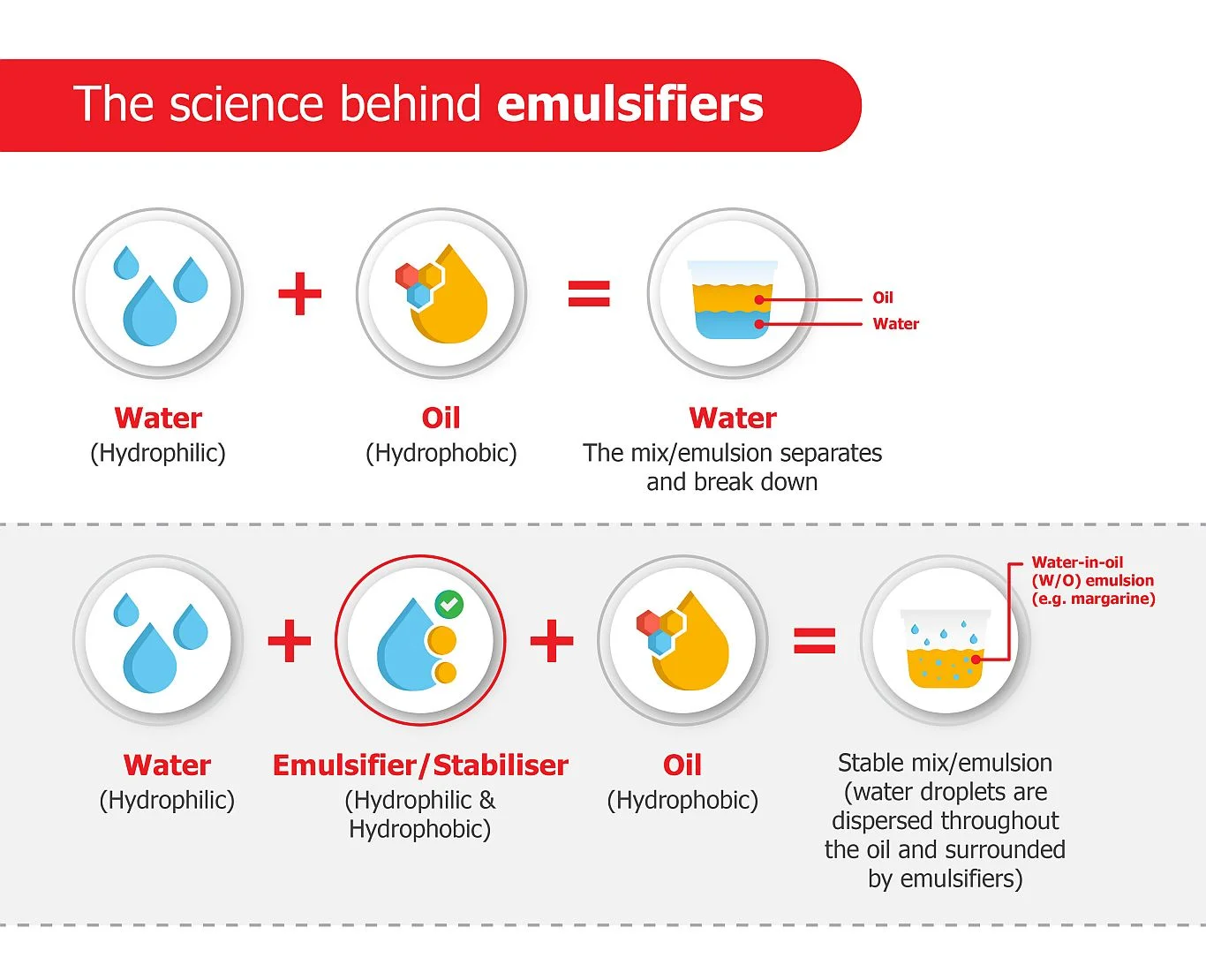
Emulsifiers are essential ingredients that allow two normally unmixable substances—oil and water—to combine into a stable, uniform mixture. In DIY skincare, they play a crucial role in creating moisturizers and lotions that deliver hydration without separation. Without emulsifiers, your creams would separate into oily and watery layers, making them ineffective and difficult to apply.
Why They Matter in Moisturizers and Lotions
Moisturizers and lotions typically consist of both oil and water phases, each contributing beneficial properties for skin health. Emulsifiers ensure these components blend seamlessly, providing a smooth texture and consistent application. Their role is not just cosmetic; they improve product stability and enhance the delivery of active ingredients, making your DIY creations both effective and enjoyable to use.
Types of Emulsifiers Used in Homemade Products
Natural vs Synthetic Emulsifiers
When selecting emulsifiers for homemade skincare, the choice often falls between natural and synthetic types. Natural emulsifiers, derived from plant oils or beeswax, are preferred by those seeking clean and organic formulations. Examples include lecithin and cetearyl olivate. Synthetic emulsifiers, while man-made, are designed for precision and stability, such as polysorbates and PEG derivatives. Both types have their merits, but understanding their origin and behavior helps you align the product with your personal values and skin needs.
Popular Emulsifiers for DIY Enthusiasts
DIY crafters commonly use versatile emulsifiers that balance ease of use with reliable performance. Some popular choices include emulsifying wax, which is a blend of natural and synthetic ingredients, and plant-based emulsifiers like sorbitan olivate. These options simplify formulation by providing stable emulsions with minimal effort. Getting familiar with these emulsifiers allows you to experiment confidently and tailor your recipes effectively.
Chemistry Behind Emulsification
How Emulsifiers Stabilize Oil and Water Mixtures
The magic of emulsifiers lies in their chemical structure, which contains both hydrophilic (water-loving) and lipophilic (oil-loving) parts. This dual affinity helps emulsifiers position themselves at the boundary between oil and water, reducing surface tension and preventing the two phases from separating. Think of emulsifiers as mediators that keep oil droplets suspended and evenly dispersed within the water phase, resulting in a smooth, homogenous lotion.
Understanding HLB Values and Their Importance
The Hydrophilic-Lipophilic Balance (HLB) value is a critical concept when working with emulsifiers. It indicates whether an emulsifier is more water-soluble or oil-soluble, guiding you to choose the right one based on the type of emulsion you want to create—oil-in-water (O/W) or water-in-oil (W/O). Matching the HLB of your emulsifier to your formulation needs ensures a stable product and prevents common separation issues. This knowledge is a valuable tool for anyone looking to enhance the consistency of their homemade skincare.
Step-by-Step Guide to Choosing the Right Emulsifier
Assessing Skin Type and Desired Texture
The first step in selecting an emulsifier is to consider the skin type you are targeting and the texture you want to achieve. For example, lighter, oil-in-water emulsions are often preferred for oily or acne-prone skin because they feel less heavy. In contrast, richer, water-in-oil formulations suit dry or mature skin, offering more intense hydration. Understanding these preferences helps select emulsifiers that complement not only the formula but also the user’s skin needs.
Compatibility with Other Ingredients
Next, evaluate how the emulsifier interacts with other ingredients in your recipe. Some emulsifiers work well with certain oils, but not with others. Also, consider any active ingredients or additives like preservatives and fragrances. Ensuring compatibility prevents unwanted reactions such as separation, graininess, or instability. Testing small batches before scaling up can help identify the best emulsifier for your unique formulation.
Formulation Tips for Effective DIY Moisturizers and Lotions
Proper Heating and Mixing Techniques
Successful emulsification depends heavily on technique. Heating both the oil and water phases to similar temperatures, usually around 70°C, softens the oils and helps the emulsifier dissolve properly. Gradual mixing during the cooling phase ensures the emulsion sets uniformly. Avoid rushing the process; patience during blending allows droplets to stabilize, resulting in a smooth, creamy texture. Improper heating or mixing can cause the formula to break or separate.
Common Mistakes and How to Avoid Them
Beginners often stumble when skippping steps like temperature control or using the wrong emulsifier for their formula. Adding the emulsifier at incorrect temperatures or inadequate stirring can lead to instability. Another pitfall is neglecting the pH of the final product, which can affect emulsifier performance and skin compatibility. Being mindful of these aspects and following detailed instructions can save time and improve your DIY results significantly.
Enhancing Product Stability and Shelf Life
Role of Emulsifiers in Longevity
Emulsifiers are foundational to extending the shelf life of your homemade moisturizers and lotions. By maintaining a stable emulsion, they reduce the risk of phase separation, which can lead to microbial contamination and ingredient degradation. Good emulsification helps keep your product fresh and effective longer, reducing waste and enhancing user satisfaction.
Additional Ingredients That Complement Emulsifiers
To further boost stability, one can integrate ingredients such as natural antioxidants and preservatives. Antioxidants protect oils from rancidity, while preservatives prevent bacterial and fungal growth. These work in synergy with emulsifiers, ensuring your creation stays safe and pleasant over time. Carefully selecting and balancing these components is a crucial part of successful DIY skincare formulation.
Conclusion: Mastering Emulsifiers for Better DIY Skincare
Understanding the role of emulsifiers unlocks the potential to create high-quality, stable moisturizers and lotions at home. From recognizing the chemistry behind emulsification to choosing appropriate emulsifiers based on skin type and ingredient compatibility, mastering this knowledge leads to better, more professional outcomes. Paying attention to formulation techniques and stability considerations further elevates your DIY skincare journey, allowing you to craft personalized products that nourish your skin effectively and safely.