Introduction to Ancient Culinary Traditions
The Importance of Authentic Historical Dishes
Exploring authentic historical dishes connects us directly to the daily lives and cultures of ancient civilizations. These recipes offer a window into past societies, revealing not just what they ate, but how food shaped their identities and traditions. Cooking these dishes allows modern enthusiasts to experience history tangibly and preserve culinary heritage.
Overview of Ancient Civilizations Covered
The focus here spans several key ancient cultures: Mesopotamia, Egypt, Greece, and Rome. Each civilization developed unique ingredients, cooking methods, and food rituals that influenced their social and religious practices. Understanding the distinct culinary approaches of these civilizations enriches the experience of recreating their dishes.
Ingredients: Sourcing and Understanding Ancient Foods
Staple Ingredients from Mesopotamia, Egypt, Greece, and Rome
Ancient diets relied heavily on locally available staples. In Mesopotamia, barley and lentils were central, while Egyptians favored emmer wheat and figs. Greece introduced olives and honey as key ingredients, and Romans utilized garum—a fermented fish sauce—alongside a wide variety of grains and legumes. Recognizing these staples helps in accurately replicating ancient flavors.
Modern Substitutes for Rare or Extinct Ingredients
Some ancient ingredients no longer exist or are difficult to find. For instance, garum can be substituted with fish sauce or anchovy paste to mimic its salty umami taste. Ancient grains like emmer wheat can be replaced with whole wheat or spelt. This practical substitution maintains the spirit of the original dishes while ensuring accessibility for contemporary cooks.
Preparing Ancient Tools and Cooking Techniques
Recreating Traditional Cooking Methods
Traditional ancient cooking often involved open fires, clay ovens, and simple mortars and pestles. Techniques such as slow simmering over embers or baking in earthenware imparted distinct flavors and textures. Attempting to replicate these processes helps achieve a closer authenticity in the final dish.
Using Modern Kitchen Tools to Mimic Ancient Results
While modern kitchens lack some ancient equipment, comparable results can be achieved. A Dutch oven can simulate a clay pot’s heat distribution, and slow cookers can imitate long, gentle cooking over embers. Mortar and pestles or food processors can replace each other for grinding spices. Adapting tools allows home cooks to approximate ancient techniques effectively.
Recipes Step-by-Step: From Grain to Gourmet
Babylonian Barley Stew
This hearty stew combines barley with lentils, onions, and aromatic herbs. Begin by soaking barley to reduce cooking time. Sauté onions, add cooked lentils and barley, pour in broth, and simmer until tender. Season with cumin and coriander, staples in Mesopotamian spice blends.
Pharaoh’s Bread from Ancient Egypt
Pharaoh’s Bread is made from emmer wheat, known for its nutty flavor. Mix ground emmer with water and a sourdough starter, then let the dough ferment to develop a mildly tangy taste. Bake in a hot oven or clay pot until crusty. This simple bread was a daily staple for Egyptians.
Greek Honey Wine and Cheese Plates
Prepare retsina-style honey wine by blending white wine with honey and a pinch of resin or pine essence. Serve with fresh cheeses like feta or goat cheese, accompanied by olives and herbs. This pairing reflects the leisurely, communal dining customs of ancient Greece.
Roman Garum and Lentil Stew
Start with lentils as the base, adding vegetables such as celery and carrots. Incorporate garum sparingly to infuse a salty, umami depth characteristic of Roman cuisine. Slow-cook the stew to blend flavors thoroughly, finishing with fresh herbs like dill and lovage.
Cultural Context and Culinary Rituals
Mealtime Customs and Their Influence on Cooking
In these ancient societies, meals were more than sustenance—they were social and religious events. Egyptians considered bread and beer sacred gifts from gods, while Romans often hosted banquets emphasizing variety and luxury. Understanding these customs informs not just the ingredients but the presentation and pacing of dishes.
Symbolism Behind Key Dishes
Certain foods carried symbolic meanings: honey represented prosperity in Greece, while lentils signified fertility and renewal in Rome. Offering these dishes in their historical context enhances appreciation and highlights the intertwined nature of food and culture.
Enhancing Your Experience: Tips for Authentic Presentation
Serving Ware Inspired by Antiquity
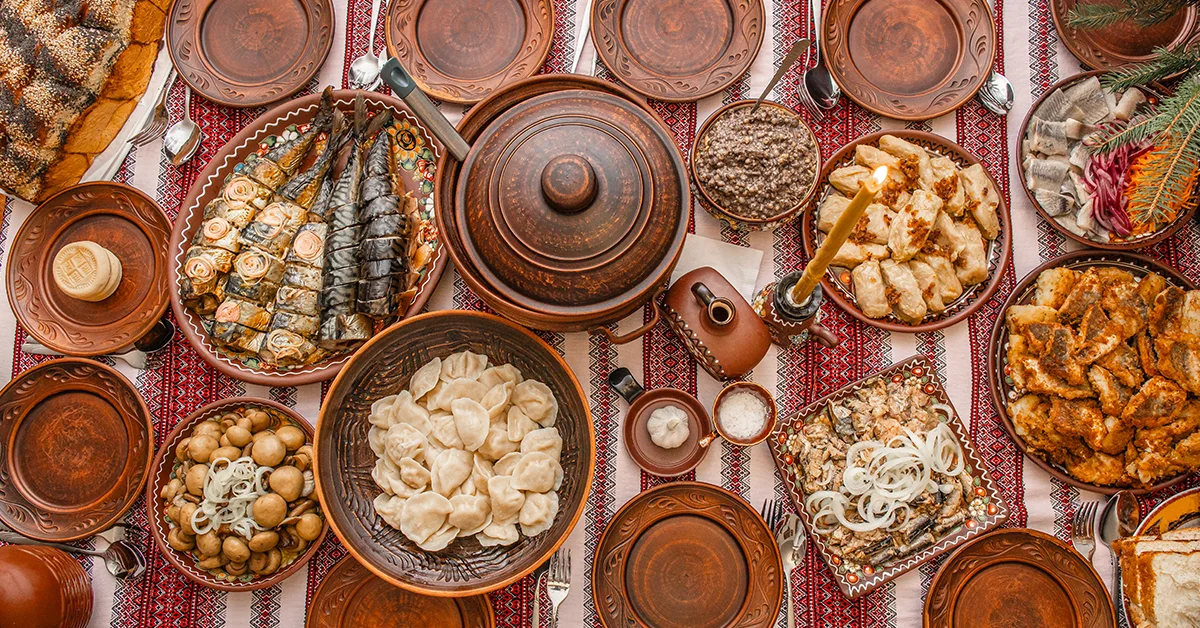
Using pottery or wooden serving dishes echoes ancient aesthetics and adds authenticity. Simple ceramics with earthy tones suit Egyptian or Mesopotamian dishes, while Greek and Roman tables might benefit from metal or decorated clay ware. Even minimal effort in choosing presentation can elevate the historical feel.
Pairing Ancient Drinks and Desserts
Complement meals with beverages like honey wine, date palm wine, or spiced herbal infusions common to the era. For dessert, consider dried fruits and nuts or simple honey cakes. These thoughtful pairings round out the meal, creating a more immersive ancient dining experience.