Introduction to Food Rituals and Family Bonds
Defining Food Rituals in a Cultural Context
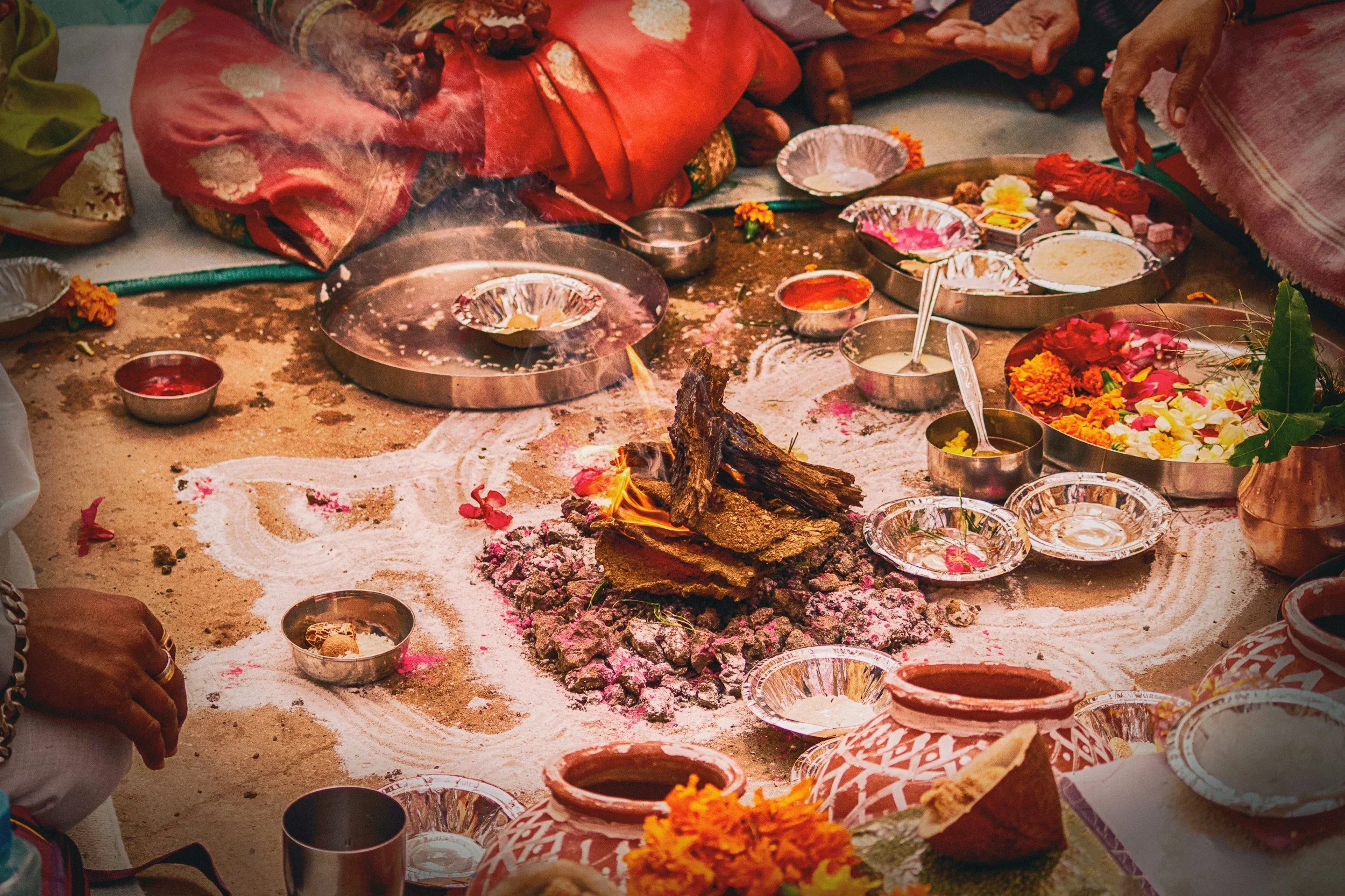
Food rituals refer to the intentional practices and ceremonies surrounding the preparation, sharing, and consumption of food within a cultural or familial setting. These rituals often go beyond mere nourishment; they embody traditions, symbolism, and shared values. Across cultures, food rituals vary widely, yet they consistently serve as markers of identity and sources of connection among family members.
Why Food Rituals Matter in Family Dynamics
Food rituals play a crucial role in strengthening family bonds because they provide regular opportunities for members to gather, communicate, and reinforce their sense of belonging. In today’s fast-paced world, where family interactions can be fragmented, these rituals become anchors of stability and emotional closeness. Without these shared experiences, families risk losing meaningful connections, and individual members may feel isolated or disconnected from their cultural heritage.
Historical Perspectives on Food Rituals
Evolution of Food Practices Within Families
Historically, food rituals evolved as a central part of family life, reflecting both survival needs and social structures. Early human communities relied on collective hunting and gathering, which naturally encouraged communal eating and shared responsibility. As societies developed, food rituals became embedded with symbolic meanings tied to seasons, fertility, and religious beliefs, shaping the identity and cohesion of family units over generations.
Interaction Between Tradition and Modernity
However, modern influences such as urbanization, globalization, and technological advances have transformed traditional food rituals. While some families maintain their ancestral practices, others may modify or abandon them due to time constraints or changing lifestyles. This shift can create tension between preserving cultural heritage and adapting to contemporary demands, sometimes weakening the unifying power of food rituals within families.
Case Studies of Food Rituals in Various Cultures
Family Meals in Mediterranean Societies
Mediterranean cultures, particularly in countries like Italy and Greece, emphasize extended family meals as daily rituals. These gatherings often involve multiple generations sharing dishes and stories, reinforcing familial roles and collective identity. The practice strengthens interpersonal bonds by fostering open communication and a sense of togetherness, which is vital in cultures valuing solidarity and respect for elders.
Communal Eating in Indigenous Tribes
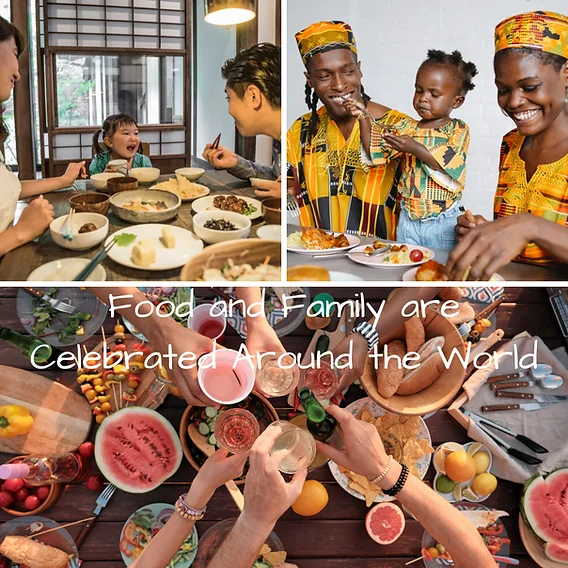
In many indigenous tribes around the world, communal eating is more than a meal; it’s a ceremony that embodies reciprocity, gratitude, and social hierarchy. For example, certain Native American communities prepare specific dishes together and share them at designated times, creating a rhythm of social interaction that sustains kinship networks and cultural continuity. Missing or disrupting these rituals can create social rifts or feelings of exclusion.
Festive Food Preparations in East Asian Families
East Asian cultures often associate food rituals with festivals and holidays, where elaborate preparations symbolize renewal and luck. Families collaborate to cook traditional foods, which reinforces teamwork and the transmission of cultural knowledge across generations. When these rituals are upheld, they provide emotional warmth and collective pride, helping family members feel rooted despite rapid societal changes.
Psychological and Emotional Impacts of Food Rituals
Building Trust and Emotional Safety
Food rituals contribute significantly to the psychological health of families by creating predictable and safe environments. Consistent mealtime practices build trust, as members come to expect support and attentiveness during these interactions. This trust fosters emotional safety, allowing individuals to share openly and resolve tensions before they escalate.
Transmitting Values and Cultural Identity
Beyond nourishment, food rituals act as vessels for transmitting values such as gratitude, respect, and cooperation. They link younger generations to their cultural roots, offering a tangible connection to ancestors and traditions. When families actively engage in these rituals, they strengthen collective identity and provide members with a clear sense of belonging.
Food Rituals as a Tool for Resolving Family Conflicts
Mediating Conversations Around the Dinner Table
Family conflicts can often spiral out of control when communication breaks down. Food rituals offer a natural setting where conversations can be mediated gently. Shared meals encourage face-to-face interaction in a neutral space, reducing defensiveness and promoting empathy. This setting helps family members address disagreements more constructively and reach mutual understanding.
Creating Safe Spaces Through Shared Meals
The act of gathering around food itself symbolizes unity and reconciliation. Even in moments of tension, participating in a food ritual can remind family members of their interconnectedness and shared history. This safe space fosters patience and forgiveness, making it easier to overcome disputes and strengthen relationships.
Modern Adaptations and Challenges
Impact of Technology on Traditional Food Rituals
While technology offers convenience, it also presents challenges to maintaining traditional food rituals. Devices like smartphones and televisions often disrupt mealtime focus, leading to less meaningful interaction. Additionally, online food delivery and fast food culture can diminish the practice of cooking and eating together. Families must consciously manage technology use to protect the integrity of their food rituals.
Balancing Tradition with Busy Lifestyles
Another challenge is the increasing pace of modern life, where work, school, and extracurricular activities limit the time available for shared meals. Without intentional effort, families might skip or shorten food rituals, losing their relational benefits. Solutions involve prioritizing even brief, consistent meal gatherings and adapting rituals to fit contemporary schedules while preserving core values.
Conclusion: The Enduring Power of Food Rituals
Food rituals are more than habitual acts; they are vital mechanisms through which families build and maintain deep emotional connections across cultures and generations. Despite evolving social landscapes and practical challenges, the intentional sharing of food continues to nurture trust, identity, and harmony within families. By recognizing their importance and adapting thoughtfully, families can ensure these rituals remain powerful tools for strengthening bonds well into the future.