Introduction to Cooking Methods for Leafy Greens
Overview of Leafy Greens and Their Nutritional Importance
Leafy greens like spinach, kale, and Swiss chard have become staples in healthy diets around the world. Packed with vitamins A, C, K, minerals like iron and calcium, and beneficial antioxidants, these vegetables offer an impressive nutritional profile. Incorporating leafy greens into meals supports everything from immune health to bone strength and cardiovascular function. Naturally, people want to make sure they get the most out of these nutrient powerhouses when preparing them.

Common Cooking Techniques: Steaming vs Boiling
When it comes to cooking leafy greens, steaming and boiling are two of the most common techniques. Both methods soften the leaves, making them easier to chew and digest, but they impact the greens’ nutritional content differently. Understanding how each method affects nutrient retention can help home cooks and chefs alike make smarter choices in the kitchen.
Scientific Basis of Nutrient Retention
Understanding Heat Sensitivity of Vitamins and Minerals
Vitamins vary in their stability when exposed to heat. Water-soluble vitamins like vitamin C and many B vitamins tend to degrade when cooked, especially at high temperatures. Minerals, on the other hand, are generally more stable but can be lost through leaching into cooking water. Heat sensitivity means that the longer the cooking time and the higher the temperature, the greater the nutrient loss often becomes.
Water Solubility and Its Impact on Nutrient Loss
Many key nutrients in leafy greens dissolve easily in water. This characteristic is a double-edged sword: while boiling greens in water softens them quickly, it also allows vitamins and minerals to leach out of the leaves and into the cooking liquid. Unless this water is consumed, as in soups or stews, these nutrients are effectively lost. This is a critical factor when comparing boiling with steaming, where water exposure is minimal.
Steaming: Process and Nutrient Outcomes
How Steaming Preserves Vitamins and Minerals
Steaming works by exposing leafy greens to hot steam without submerging them directly in water. This gentle method minimizes contact with water, which means fewer nutrients dissolve and escape. Studies have shown steaming preserves higher levels of vitamin C and folate compared to boiling. Because the leafy greens are not soaked, minerals like potassium and calcium remain largely within the vegetable.
Effect on Texture, Flavor, and Appearance of Leafy Greens
Beyond nutritional benefits, steaming also helps maintain the bright color and crisp texture of leafy greens better than boiling. Flavors tend to be fresher and less diluted, providing a more enjoyable eating experience. The brief cooking time prevents over-softening, ensuring the greens don’t become mushy or lose their natural appeal.
Boiling: Mechanisms and Nutrient Degradation
Leaching of Nutrients into Cooking Water
Boiling immerses leafy greens fully in water, which speeds up cooking but also causes a significant loss of water-soluble vitamins and minerals. Nutrients like vitamin C, B vitamins, and some antioxidants seep out from the leaves into the boiling water. If the cooking water is discarded, much of this nutrition goes down the drain. This leaching effect is the main downside of boiling green vegetables.
Time and Temperature Factors Affecting Nutrient Levels
Longer boiling times and higher temperatures increase nutrient degradation. Overcooking leafy greens can lead to a dramatic drop in vitamin content and a dull, watery texture. On the other hand, shorter cooking times reduce these effects, but boiling is still generally less nutrient-friendly compared to steaming or other methods that limit water exposure.
Comparative Analysis: Steaming vs Boiling
Studies and Data on Vitamin C and Folate Retention
Scientific research consistently indicates that steaming outperforms boiling in retaining vitamin C and folate. These water-soluble vitamins are quite fragile, and steaming’s minimal water contact and gentler heat help keep their levels higher. For example, steaming spinach can preserve up to 90% of vitamin C, while boiling might retain less than 50% depending on the duration.
Impact on Antioxidant Compounds
Antioxidants such as flavonoids and carotenoids also benefit from steaming. Many of these compounds degrade in prolonged heat and dissolve easily in water, meaning boiling often results in notable losses. Steaming helps lock in these protective molecules, supporting the greens’ health-promoting qualities.
Overall Nutritional Value Post-Cooking
When considering the full range of nutrients, steaming generally retains more vitamins, minerals, and antioxidants than boiling. While boiling can still be useful for certain recipes or when using the cooking water, steaming offers a better way to maximize the nutritional benefits of leafy greens while preserving desirable texture and color.
Practical Cooking Tips for Maximizing Nutrients
Optimal Cooking Times for Steaming and Boiling
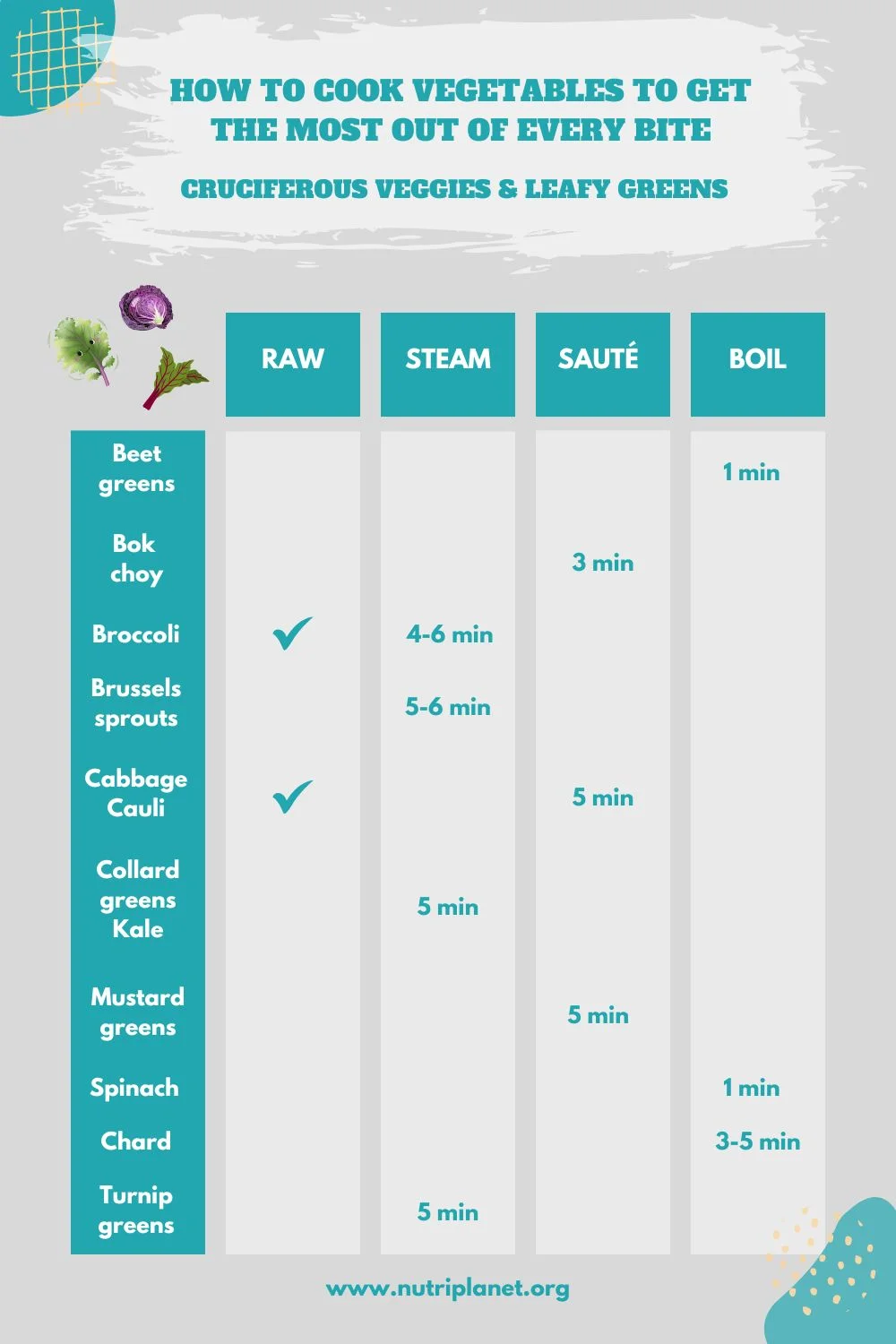
Short and precise cooking is key. For steaming, 3 to 5 minutes is usually enough to soften leafy greens while keeping nutrients intact. Boiling should be kept brief as well—under 3 minutes can reduce losses but still risks greater nutrient depletion than steaming.
Using Cooking Water to Recapture Nutrients
If boiling, one practical way to avoid wasting nutrients is to use the cooking water in soups, sauces, or gravies. This liquid contains leached vitamins and minerals that remain valuable when consumed.
Alternative Methods to Enhance Nutrient Preservation
Other methods like sautéing quickly in a little oil, microwaving with minimal water, or blanching briefly can also help retain nutrients. Being mindful of heat exposure and water usage maximizes the health benefits of leafy greens no matter how you cook them.
Conclusion: Making Informed Choices for Healthier Meals
Deciding between steaming and boiling leafy greens may seem simple, but the impact on nutrient retention is significant. Steaming clearly stands out as the better option for preserving vitamins, minerals, and antioxidants while maintaining appealing texture and flavor. Understanding these differences empowers you to make cooking choices that support your health goals and let you enjoy your greens at their best. Whether you’re preparing a quick weekday side dish or a gourmet meal, giving steaming a try can enhance both nutrition and taste in meaningful ways.