Understanding the Basics of Steak Searing
What is Searing and Why It Matters
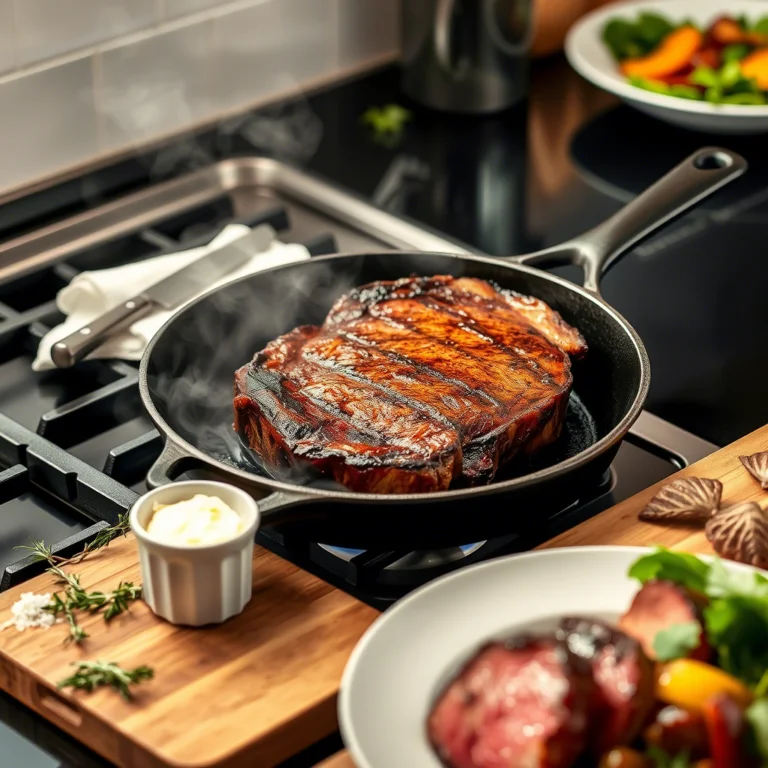
Searing is the process of cooking the surface of the steak at high temperatures to create a flavorful, caramelized crust. This technique locks in the juices, giving the steak a satisfying texture and rich taste. While it might seem simple, mastering searing is key to elevating your steak from average to truly delicious. The Maillard reaction, which occurs during searing, is what transforms the meat’s flavor, creating those deep, savory notes that steak lovers crave.
Choosing the Right Cut of Steak for Searing
Not every steak cut sears equally well. The best candidates are tender cuts with good marbling, like ribeye, strip steak, or filet mignon. These cuts have enough fat to keep the meat juicy even as you expose it to high heat. Leaner steaks, such as sirloin, can be seared too, but they require more attention to avoid drying out. Knowing your cut helps you adjust cooking times and techniques to get the best sear and flavor.
Preparing Your Steak for the Perfect Sear
Importance of Bringing Steak to Room Temperature
One crucial step often overlooked is letting your steak come to room temperature before cooking. A cold steak straight from the fridge can cause uneven cooking and prevent a proper sear. By allowing the meat to warm up for about 30-60 minutes, you give the pan a better chance to create that even, golden crust while reducing the risk of an undercooked center.
Seasoning Techniques to Enhance Flavor
Seasoning is more than sprinkling salt and pepper. For the best results, season your steak generously but simply. Salt helps draw moisture to the surface, which aids in forming a crust, and enhances the meat’s natural flavors. Freshly ground black pepper adds a bit of heat without overpowering. You can also add garlic powder or smoked paprika for a hint of complexity, but keep it minimal to let the steak’s flavor shine through.
Tools and Equipment Needed for Searing
Best Pans and Skillets for Searing
The right pan can make or break your searing effort. Cast iron skillets are often the go-to choice because they retain and distribute heat evenly. This ensures your steak cooks uniformly on all sides. Stainless steel pans can work well too, especially if you prefer a lighter option that heats quickly. Avoid non-stick pans for searing, as they typically can’t handle the high heat needed to form a proper crust.
Essential Utensils and Heat Sources
A sturdy pair of tongs is essential for turning your steak without piercing the meat and losing valuable juices. A high-quality stove or burner that can deliver consistent, high heat is also critical. If you have an outdoor grill, it can provide a unique flavor but requires slightly different handling than a pan. Using a thermometer to monitor your steak’s internal temperature can help achieve the perfect doneness without guesswork.
Step-By-Step Guide to Searing Your Steak
Heating the Pan Correctly
Start with a dry, preheated pan on medium-high heat. It’s important to let the pan get really hot before adding oil. When you add a small amount of high smoke point oil like canola or grapeseed, it should shimmer and move freely across the pan’s surface. This ensures the steak will sizzle on contact, which is crucial for building a great crust.
How to Place and Cook the Steak
Pat your steak dry to remove any surface moisture, then carefully place it in the hot pan. Don’t move it around once it’s down—letting it sit undisturbed allows a crust to form. Depending on thickness, cook the steak for about 3-5 minutes on the first side. Use tongs to gently flip it and repeat for the other side. Avoid pressing down on the steak as it cooks because this squeezes out the juices.
Determining the Ideal Sear and Flip Timing
You’ll know it’s time to flip when the steak easily releases from the pan without sticking. If it resists, it likely needs more time. The crust should be a deep golden brown, not blackened. For thicker steaks, consider searing all sides before finishing in the oven to reach your desired doneness. Timing will vary based on thickness and heat, so trust your eyes and feel, and use a thermometer for best results.
Tips for Achieving Juicy, Tender Results Every Time
Resting Your Steak Post-Searing
Once the steak is done, resist the temptation to dig in immediately. Resting it on a warm plate for 5-10 minutes allows the juices to redistribute within the meat. Cutting too soon causes the juices to spill out, leaving your steak dry. This simple step transforms a good steak into a juicy one.
Using Butter, Herbs, and Aromatics for Added Flavor
Halfway through searing, consider adding a knob of butter, smashed garlic, and fresh thyme or rosemary to the pan. Basting the steak with this mixture infuses rich, savory notes and adds moisture to the crust. This technique elevates the flavor profile without overpowering the steak’s natural taste.
Common Mistakes to Avoid When Searing Steak
Overcrowding the Pan
It’s tempting to cook multiple steaks at once, but overcrowding reduces the pan’s temperature, causing the meat to steam rather than sear. This results in a less flavorful, soggy surface. If you have several steaks, cook them in batches with enough space between each piece.
Too High or Too Low Heat Issues
Setting the heat too high can burn the outside before the inside cooks, while too low heat struggles to create the crust that defines a good sear. Medium-high heat is typically best, adjusting as needed depending on your stove and pan. Finding the right balance takes practice but is essential for perfect results.
Exploring Different Searing Techniques
Reverse Searing Explained
Reverse searing flips the traditional method by cooking the steak slowly in an oven or low-heat environment first, then finishing with a quick sear in a hot pan. This technique offers precise control over doneness and allows for a consistent crust without overcooking the inside. It’s a favorite among chefs aiming for restaurant-quality results.
Pan-Searing vs. Grilling: Pros and Cons
Pan-searing lets you closely control heat and basting, perfect for delicate or thick cuts. Grilling adds smoky flavors and char marks that many find addictive but can be harder to control temperature-wise. Both methods can produce excellent steaks if handled correctly, so your choice depends on your flavor preference, equipment, and environment.
Conclusion: Mastering the Art of a Perfect Sear
Mastering steak searing is about understanding heat, timing, and technique to create that perfect crust while preserving juiciness inside. Simple preparation steps like bringing the steak to room temperature and seasoning properly set the foundation. Using the right tools and avoiding common mistakes ensures a consistently delicious outcome. Whether you opt for classic pan-searing or try reverse searing, practice and patience will make this skill second nature. Soon enough, you’ll be serving juicy, tender steaks that wow every time.