Understanding the Science Behind Spice Release
Chemical Composition of Spices
Spices contain complex chemical compounds, including essential oils, alkaloids, and phenols, that contribute to their unique aromas and flavors. These compounds are often volatile, meaning they can evaporate and disperse when exposed to heat. The release of these volatile oils determines how a spice influences the overall taste of a dish.
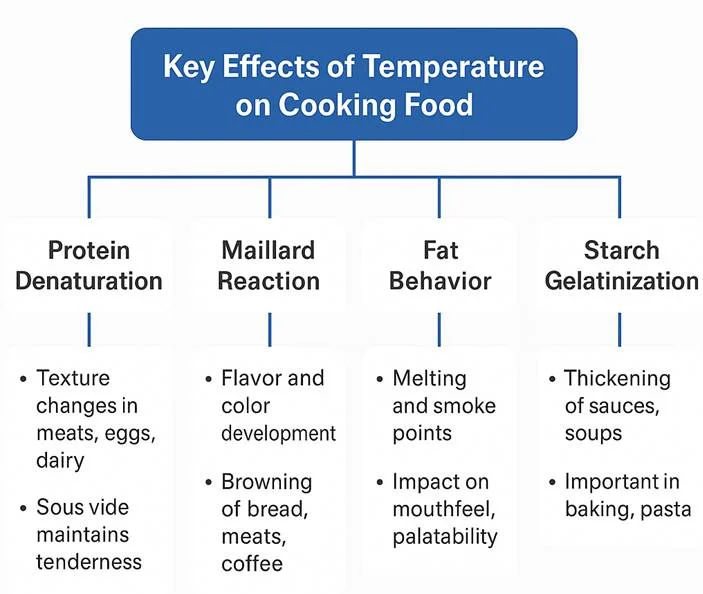
How Temperature Influences Volatile Oils
Temperature plays a critical role in activating or destroying the volatile oils within spices. At the right heat, these oils are released gradually, infusing the dish with deep flavor and aroma. Too low, and the oils remain trapped; too high, and they can burn off or degrade, resulting in bitterness or a loss of nuance.
Temperature Ranges and Their Effects on Spice Flavor
Low Heat: Slow Infusion and Subtle Aromas
Cooking spices at low temperatures allows for gentle extraction of flavor. This slow infusion process is ideal for delicate spices that can be overwhelmed by heat. Low heat preserves subtle aromas, lending complexity without overpowering other ingredients.
Medium Heat: Optimal Flavor Extraction
Medium heat is generally the best range to unlock a spice’s full potential. It effectively releases essential oils without causing degradation. This balance enhances flavor depth and aroma, making the spices more pronounced and vibrant within the dish.
High Heat: Risks of Overcooking and Bitter Notes
High heat can quickly release spice oils, but it also carries risks. Spices may burn or char, creating bitter, unpleasant flavors. This can overshadow the dish’s intended taste, so high heat use should be cautious and typically brief, often reserved for initial toasting or searing phases.
Practical Cooking Tips for Maximizing Spice Flavor
When to Add Spices During Cooking
Timing is crucial for obtaining the best flavor. Ground spices often benefit from early addition during cooking, allowing adequate time for flavor release. Whole spices, however, may be added later or toasted first to preserve their oils. Adding spices too early or late can result in weak or harsh flavors.
Balancing Temperature and Cooking Time
Adjusting heat and cooking duration helps control spice flavor intensity. Longer cooking at a moderate temperature enhances integration without burning. Conversely, brief exposure to high heat can intensify aroma but risks damaging delicate notes if overdone. Balance depends on the type of spice and cooking method.
Using Heat Techniques to Layer Flavors
Employing different heat levels in stages can build complex flavor profiles. For example, toasting whole spices at medium heat before adding them to a dish can deepen aroma. Then, simmering the dish at low heat allows the flavors to meld harmoniously. This layering enhances overall taste complexity.
Spice-Specific Temperature Guidelines
Whole vs Ground Spices: Different Heat Sensitivities
Whole spices contain essential oils protected by their outer shell, making them more heat resilient. They can handle toasting or cooking at higher temperatures without immediate loss of flavor. Ground spices, with exposed surfaces, release oils faster but are more prone to burning, so they require gentler heat.
Delicate Spices That Require Gentle Heat
Spices such as saffron, cardamom, and nutmeg are sensitive to high heat and lose their nuanced flavors quickly. They should be added toward the end of cooking or infused at low temperatures to preserve their delicate profiles.
Robust Spices That Can Withstand High Heat
Black pepper, cumin, and cloves can endure higher cooking temperatures and often benefit from initial toasting or sautéing. This process enhances their aromatic oils, imparting bold and robust flavor notes ideal for hearty dishes.
Common Cooking Mistakes That Affect Spice Release
Overheating and Burning Spices
One of the most frequent errors is cooking spices at excessively high heat for too long. This not only burns the spices but can impart a bitter, acrid taste, spoiling the entire dish. Careful monitoring and moderate heat use are essential to prevent this.
Adding Spices Too Early or Too Late
Incorrect timing when adding spices can diminish their impact. Adding them too early may cause volatile oils to dissipate, yielding a bland result. Too late, and the spices may not fully release their flavor, leading to sharp, disconnected notes. Understanding each spice’s cooking timeline is key.
Conclusion: Mastering Temperature for Perfectly Flavored Dishes
Temperature control is fundamental to maximizing spice flavor in cooking. Understanding how heat affects volatile oils allows cooks to apply the right techniques—whether slow infusion or quick toasting—to bring out the best in each spice. Avoiding common pitfalls like overheating or poor timing ensures balanced, vibrant dishes. With mindful temperature management, every meal can achieve rich, nuanced spice profiles that delight the palate.