Introduction to Pantry-Based Plant Cooking
Why Pantry Staples Are Key to Flavorful Plant-Based Meals
Imagine coming home after a long day, finding yourself with limited fresh ingredients, yet craving a satisfying plant-based meal. Pantry staples—the dried beans, grains, canned vegetables, and spices stored on your shelves—are often overlooked but are essential to creating flavorful dishes without fresh produce. These ingredients provide not only nutritional value but also the canvas for endless creativity in plant-based cooking.
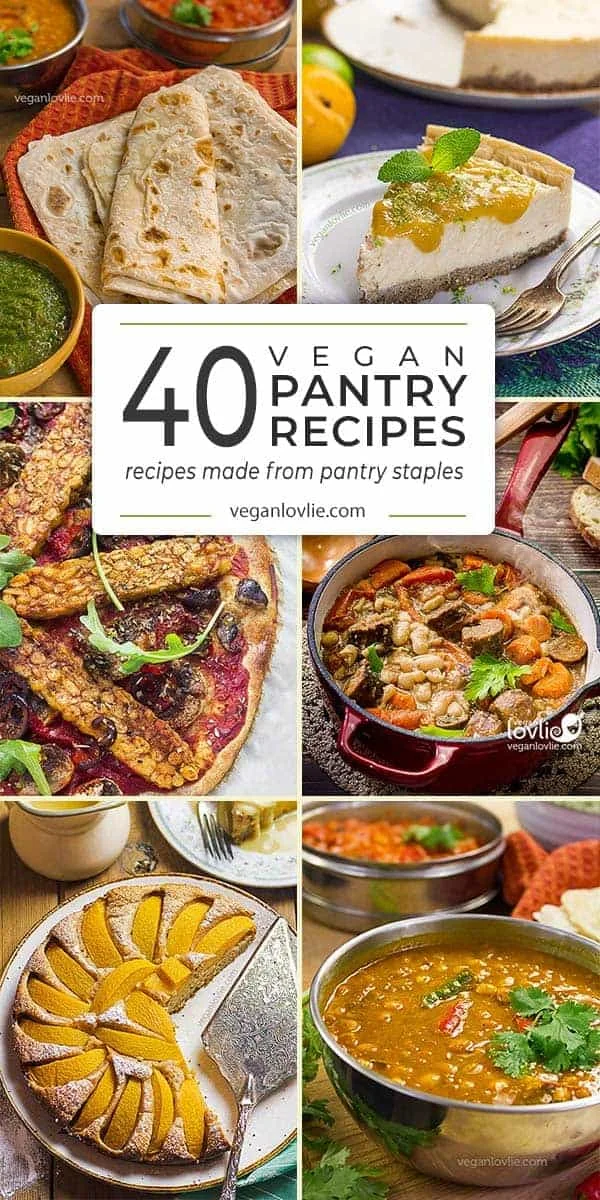
The beauty of relying on pantry staples is their shelf stability, affordability, and versatility. Whether you’re a busy professional, a student, or simply looking to reduce food waste, knowing how to turn these basic ingredients into delicious meals can support a sustainable and healthy lifestyle.
Essential Pantry Ingredients for Plant-Based Cooking
Every seasoned home cook knows the value of a well-stocked pantry. Staples like dried lentils, chickpeas, canned tomatoes, brown rice, and a variety of beans form the backbone of many plant-based recipes. Add in nutritional yeast, coconut milk powder, and canned mushrooms, and you elevate basic dishes with layers of richness and depth.
From my own experience, keeping a rainbow of spices—such as cumin, smoked paprika, turmeric, and coriander—transforms bland beans into hearty, satisfying meals. Stocking up on versatile condiments like soy sauce, tahini, and apple cider vinegar lets you balance flavors even when fresh ingredients fall short.
Building Flavor Foundations
Spices and Herbs That Transform Simple Ingredients
Consider the story of a friend who once struggled to enjoy bean dishes until she discovered the magic of spices. Adding a pinch of ground cumin, smoked paprika, and garlic powder to her black beans changed her entire perception. Spices work by enhancing the natural flavors of pantry staples and introducing aromatic complexity.
Dried herbs like oregano, thyme, and bay leaves simmered slowly in soups and stews infuse the dish with comforting depth. Without fresh basil or parsley, using dried herbs thoughtfully prevents meals from tasting flat or boring.
Creating Homemade Plant-Based Broths from Pantry Items
Broth is the soul of many meals. Instead of relying on store-bought options, you can make your own plant-based broth using pantry ingredients such as dried mushrooms, seaweed, and leftover vegetable scraps frozen from previous meals. Simmer these with aromatics like onion or garlic powder and salt to develop a rich, savory base.
Once, I crafted a broth using dried shiitake mushrooms and soy sauce that brought an umami punch to a simple lentil soup. This technique not only boosts flavor but uses pantry odds and ends in a resourceful way, maximizing taste with minimal waste.
Recipe Categories Using Pantry Staples
Hearty Soups and Stews
When the weather turns chilly, nothing beats a warm bowl of plant-based soup or stew made from pantry staples. A classic example is a Moroccan-inspired chickpea stew, where canned tomatoes, dried chickpeas (soaked overnight or the quick-cooking variety), and warming spices like cinnamon and cumin create a multilayered flavor experience.
Stews allow slow melding of ingredients, which is perfect for tougher grains and beans. A pot of black bean and barley stew, seasoned with smoked paprika and vegetable broth made from pantry staples, offers both comfort and nutrition without any fresh additions.
Quick and Flavorful Grain Bowls
Grain bowls are a perfect solution for busy evenings. For example, cooking quick-cooking brown rice or quinoa as a base and topping it with sautéed canned mushrooms, canned corn, and a drizzle of tahini creates a balanced meal. Adding a squeeze of bottled lemon juice or a splash of soy sauce boosts the dish’s flavor complexity.
One memorable meal involved tossing canned chickpeas with turmeric and black pepper before mixing them into a quinoa bowl with sun-dried tomatoes and olives, proving that pantry staples alone can yield vibrant, satisfying bowls.
Energy-Packed Snacks and Dips
Pantry staples can also fuel snacks between meals. Roasted spiced chickpeas seasoned with chili powder and garlic powder make a crunchy, protein-packed treat. Blending canned white beans with tahini, lemon juice, garlic powder, and a pinch of smoked paprika yields a creamy dip that pairs beautifully with crackers or raw veggies.
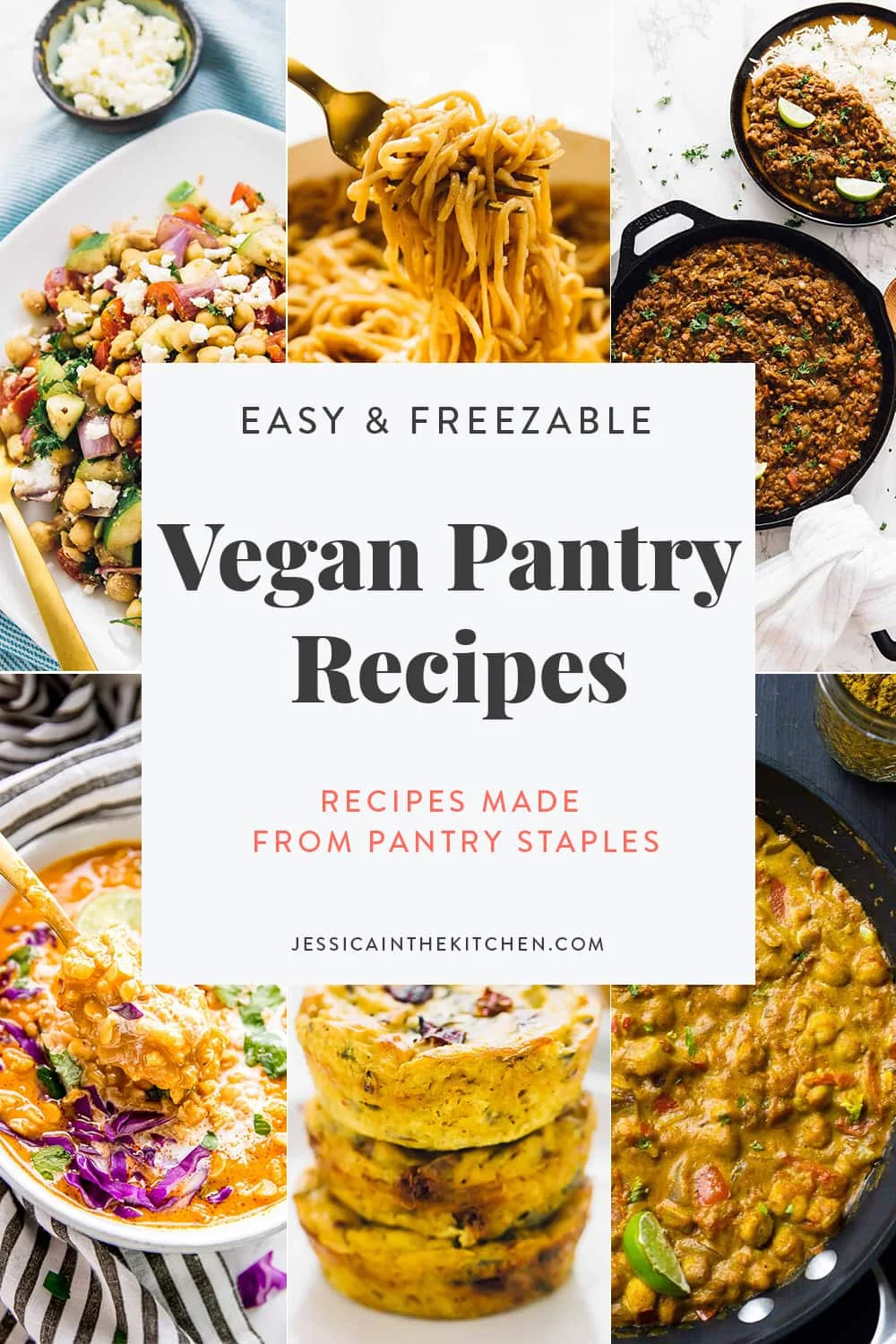
These snacks provide quick energy and flavor bursts without any need for fresh ingredients, perfect for on-the-go lifestyles or unexpected guests.
Techniques to Enhance Taste without Fresh Ingredients
Layering Flavors Through Cooking Methods
When fresh herbs or vegetables aren’t available, mastering cooking techniques becomes crucial. Toasting spices before adding them releases their oils and intensifies aroma. Slowly simmering soups allows flavors to deepen and marry, while roasting canned or dried ingredients can add caramelized notes that elevate simple meals.
For instance, pan-frying drained canned mushrooms with garlic powder and nutritional yeast until golden gives them a meaty, umami-rich texture that complements grain bowls or stews.
Using Acids, Sweeteners, and Umami Boosters from the Pantry
Balancing flavor is as much about contrast as it is about depth. A splash of apple cider vinegar can brighten a stew, cutting through heaviness and adding freshness. Sweeteners like maple syrup or brown sugar introduce subtle sweetness that rounds out spicy or savory dishes.
Umami boosters such as soy sauce, miso paste (if stocked), nutritional yeast, and even tomato paste enrich meals with savory intensity. When I once lacked fresh ingredients, a quick stir of soy sauce and nutritional yeast into a lentil stew made it taste restaurant-worthy.
Sample Meal Plans for a Week of Flavorful Pantry-Only Plant-Based Cooking
Planning can ease the challenge of cooking only with pantry staples. For example, start the week with a lentil and tomato stew, followed by grain bowls featuring brown rice, canned corn, and spiced beans midweek. Midweek snacks could include roasted chickpeas, and dinners might revolve around creamy white bean dips served with toasted bread or crackers.
By Sunday, a mushroom and barley stew with a homemade broth base offers warmth and comfort. Rotating among soups, grain bowls, and snacks keeps meals interesting and ensures a variety of nutrients and flavors, even without fresh ingredients.
Conclusion: Maximizing Creativity with Limited Ingredients
Cooking flavorful plant-based meals with only pantry staples is both a practical skill and an opportunity to get creative. The limitations can spark innovation, pushing home cooks to experiment with spices, cooking techniques, and simple ingredients in new ways.
Remember, the key lies in knowing your pantry well, layering flavors thoughtfully, and balancing taste with acids, sweeteners, and umami. By embracing these strategies, what once seemed like a sparse shelf can become the foundation for nourishing, delicious meals that satisfy body and soul alike.