Understanding the Basics of Meal Prepping for Balanced Dinners
Definition and Benefits of Meal Prepping
Meal prepping is the process of preparing your meals ahead of time, typically for the upcoming week. This practice helps simplify busy evenings by freeing you from last-minute cooking decisions. When done right, it can save time, reduce stress, and encourage healthier eating habits. Instead of relying on quick but often less nutritious options, having balanced meals ready to go helps maintain consistent nutrition, especially during hectic weeknights.
Essentials of a Balanced Meal: Macronutrients and Portion Control
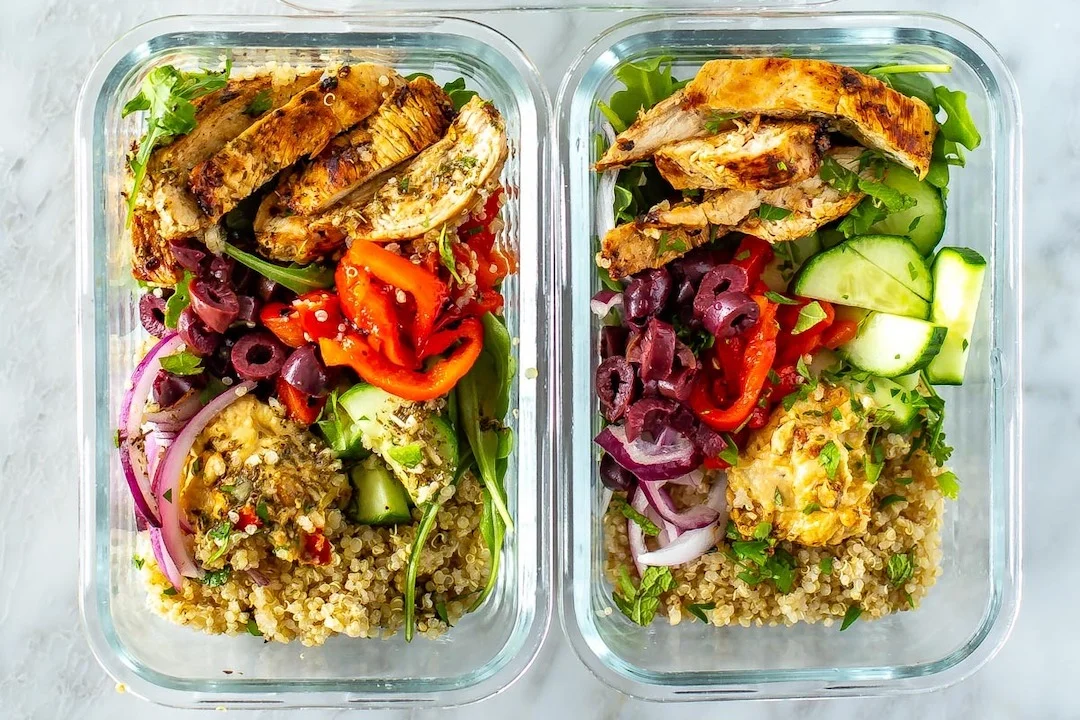
Creating balanced dinners means paying attention to macronutrients—proteins, carbohydrates, and fats—in the right proportions. Proteins support muscle repair, carbohydrates provide energy, and healthy fats keep you feeling satiated. Portion control is equally important; too much or too little of any group can lead to unwanted energy highs and lows. The goal is to build plates that nourish your body without overwhelming it, making it easier to sustain good habits throughout the week.
Planning Your Weeknight Dinner Menu
Choosing Recipes That are Nutritious and Quick
Selecting recipes ahead of time sets the tone for successful meals. Focus on dishes that require minimal ingredients but pack a nutritional punch. Stir-fries, sheet pan meals, and one-pot dishes often fit the bill. These options not only save cooking time but also reduce cleanup, which is a bonus after a busy day. Planning with time constraints in mind encourages you to lean towards meals that are both satisfying and convenient.
Creating a Diverse Meal Plan to Avoid Repetition
Variety is key when it comes to keeping meal prep exciting. Eating the same dinner every night can lead to boredom and the temptation to skip your plan altogether. Mix up your proteins, vegetables, and grains across different meals to provide a broader range of nutrients and flavors. Incorporating global cuisines or seasonal produce can bring fresh inspiration to your table, ensuring that weeknight dinners stay appealing.
Smart Shopping Strategies to Save Time and Money
Making an Efficient Grocery List Based on Your Meal Plan
Once your menu is set, crafting a detailed grocery list is a powerful step toward streamlining your shopping trips. Organize the list by sections of the store to avoid backtracking. This saving of both time and energy helps keep your focus on choosing quality ingredients rather than making impulsive buys. An organized list also minimizes waste by ensuring you only purchase what you need for your meals.
Tips for Selecting Fresh Ingredients and Bulk Buying
Choosing fresh, high-quality ingredients can greatly influence the taste and nutritional value of your meals. Prioritize seasonal produce for better flavor and cost-efficiency. For pantry staples like grains, legumes, and spices, buying in bulk is often more economical and reduces packaging waste. Just be sure to store bulk items properly to maintain freshness and avoid spoilage throughout the week.
Step-by-Step Guide to Meal Prep Execution
Batch Cooking Proteins, Vegetables, and Grains
When it’s time to cook, batch preparation is your best friend. Cooking large quantities of proteins, vegetables, and grains at once allows for portioning meals for several days. For instance, roasting a big tray of vegetables together with chicken breasts or tofu simplifies the process significantly. Grains like quinoa or brown rice can be cooked in bulk and stored, cutting down the time needed per meal drastically.
Storage Techniques to Maintain Freshness throughout the Week
How you store your meals can impact taste and safety. Airtight containers help preserve freshness and prevent odors from mingling. Using containers that stack neatly saves fridge space and keeps things organized. Labeling your meals with dates can also remind you to consume them within safe time frames, reducing food waste. Some ingredients hold up better when stored separately—mixing just before eating can keep textures crisp and enjoyable.
Customizing Meal Prep to Fit Dietary Needs and Preferences
Adapting Recipes for Vegetarian, Vegan, or Gluten-Free Options

Meal prep is flexible enough to accommodate various dietary preferences. Swapping animal proteins for plant-based alternatives like legumes or tempeh can satisfy vegetarian or vegan needs without sacrificing protein intake. For gluten-free diets, choosing naturally gluten-free grains such as rice or quinoa avoids unnecessary restrictions. Adjusting recipes in this way ensures everyone’s tastes and needs are met without extra planning stress.
Incorporating Family Favorites into Healthy Meal Prep
Balancing health with familiar flavors helps keep the whole household happy. Including beloved family dishes, perhaps with slight ingredient tweaks, encourages consistent meal prep practice. It’s easier to stick to a routine when meals feel comforting and enjoyable. This approach fosters positive mealtime experiences and supports long-term healthy eating habits for everyone involved.
Maximizing Time Efficiency in the Kitchen
Using Kitchen Gadgets and Tools to Speed Up Cooking
Investing time in smart kitchen tools can drastically cut down prep durations. Appliances like slow cookers, instant pots, or food processors automate time-consuming steps. For example, a good-quality knife set makes chopping vegetables faster and safer. These tools turn cooking from a chore into a more manageable task, allowing you to spend less time in the kitchen and more on what matters to you.
Organizing Your Cooking Space for Smooth Workflow
A well-organized kitchen sets the stage for efficient meal prep. Keeping frequently used ingredients and utensils within arm’s reach eliminates unnecessary movements. Clearing countertops and dedicating specific zones for prep, cooking, and plating can streamline the process. When your workspace flows logically, cooking becomes less stressful, and productivity naturally improves.
Healthy Dinner Ideas Perfect for Busy Weeknights
10 Quick Balanced Dinner Recipes to Try
When time is tight, having a few reliable dinner ideas on hand can be a lifesaver. Consider dishes like grilled salmon with quinoa and steamed broccoli, chickpea curry with brown rice, or turkey and vegetable stir-fry. Each recipe combines lean proteins, nutrient-dense vegetables, and satisfying grains. These meals require minimal hands-on cooking and can often be prepared in bulk, making them perfect for meal prepping.
Snack and Side Options to Complement Your Main Meals
Adding simple sides or snacks rounds out the dinner experience and keeps you feeling full longer. Fresh fruit, cut vegetables with hummus, or a small handful of nuts offer quick, nutritious options. Whole grain rolls or side salads enhance meals without too much extra effort. These accompaniments help you maintain balanced nutrition without complicating your meal prep routine.