Introduction to Vegetarian Meal Prepping
Benefits of Meal Prepping for Busy Weeknights
Busy weeknights often leave little time for cooking, leading many to opt for quick, less nutritious meals or takeout. Meal prepping can solve this problem by ensuring you have ready-to-eat, healthy vegetarian dinners waiting for you. By planning and preparing your meals ahead, you save time during hectic evenings and avoid the stress of last-minute cooking decisions. Additionally, meal prepping minimizes food waste and helps you maintain a balanced diet consistently, which is particularly important when following a vegetarian lifestyle.
Understanding Balanced Nutrition in Vegetarian Dinners
Creating balanced vegetarian dinners can sometimes be challenging due to the need to replace the nutrients commonly found in meat. It’s essential to focus on combining the right mix of protein, carbohydrates, fats, and fiber to sustain energy levels and keep you feeling full. Vegetarians need to ensure they include complete proteins, variety in vegetables, whole grains for sustained energy, and healthy fats for nutrient absorption and satiety. Understanding these nutritional components will guide your meal prepping efforts to be both satisfying and healthful.
Planning Your Weekly Vegetarian Dinners
Choosing Protein Sources for Vegetarian Meals
Lack of proper protein can leave you feeling sluggish and unsatisfied after meals. Common vegetarian protein sources such as beans, lentils, tofu, tempeh, and seitan provide essential amino acids, but some require careful pairing to form complete proteins. Planning your week’s meals around these protein options ensures you meet your daily protein needs. For instance, mixing grains with legumes or incorporating soy-based products can help overcome protein deficiencies often encountered in vegetarian diets.
Selecting Whole Grains and Fiber-Rich Vegetables
Many vegetarian meals rely heavily on carbohydrates, but not all carbs contribute equally to health. Whole grains such as brown rice, quinoa, and barley offer fiber and complex carbohydrates that promote digestion and sustained energy. Fiber-rich vegetables like broccoli, kale, and carrots not only provide essential vitamins and minerals but also contribute to fullness and gut health. Planning your meals with a focus on diverse grains and vegetables prevents nutritional gaps and supports overall well-being.
Incorporating Healthy Fats for Satiety
Skipping fats can lead to early hunger pangs and lower nutrient absorption. Healthy fats from sources like avocado, nuts, seeds, and olive oil help to keep you full longer and support heart and brain health. Including these fats thoughtfully into your dinner plans enhances flavor and creates more balanced meals. However, because fats are calorie-dense, portion control is key to avoiding excessive calorie intake during meal prepping.
Step-by-Step Guide to Meal Prepping
Batch Cooking Tips for Efficiency
One common obstacle is the perception that meal prepping is time-consuming. Batch cooking multiple components such as grains, proteins, and roasted vegetables simultaneously can drastically reduce your overall cooking time. Using the oven to roast a variety of vegetables while boiling grains on the stove allows you to prepare several meals at once. Preparing versatile ingredients that can be combined in different ways throughout the week also prevents monotony and keeps meals interesting.
Portioning and Storage Best Practices
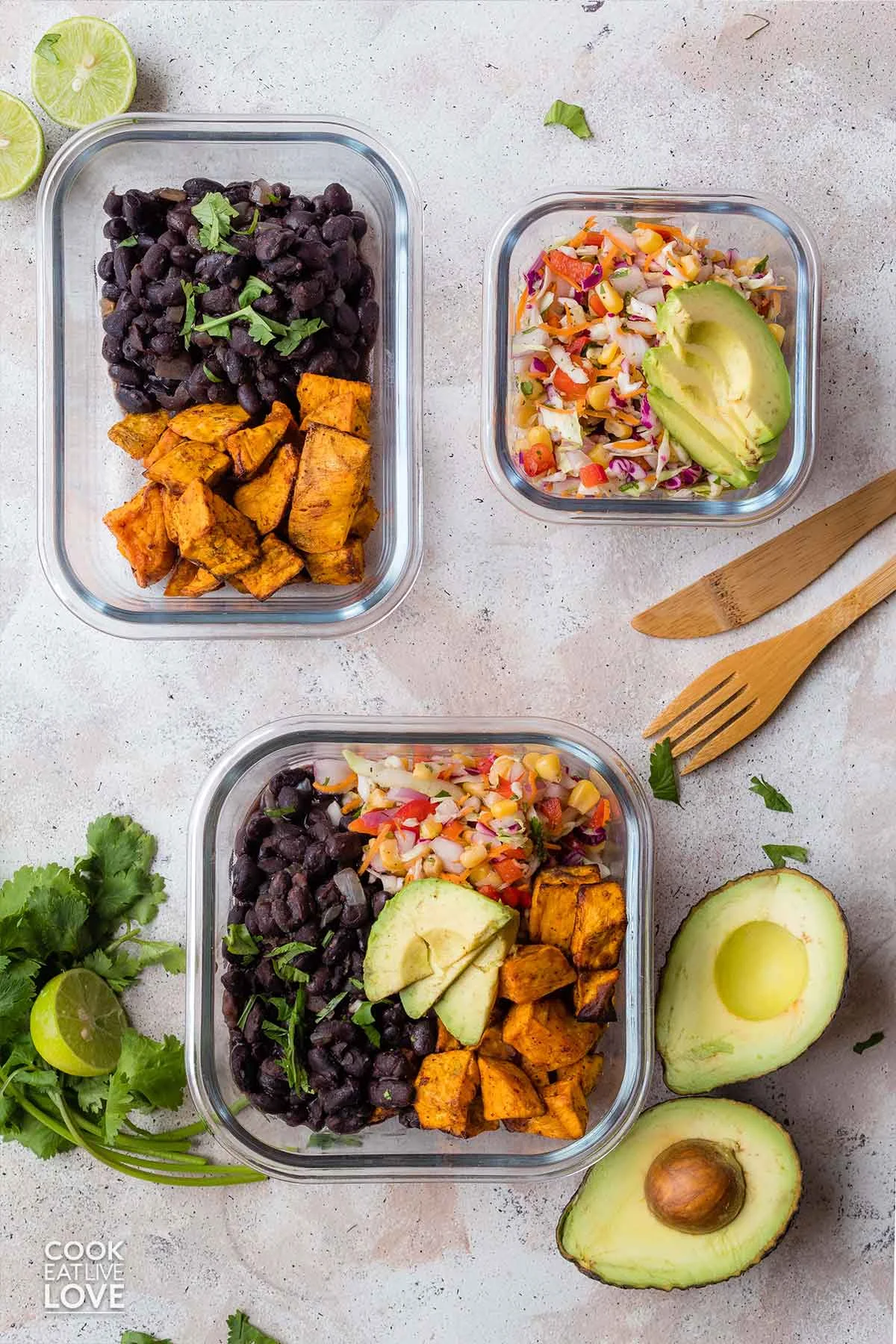
Proper portioning is crucial to maintain control over serving sizes and ensure nutritional balance in each meal. Using reusable containers with compartments can help separate ingredients and avoid sogginess. It’s important to cool foods completely before sealing containers to prevent condensation and spoilage. Labeling meals with dates encourages timely consumption and reduces food waste. Following these storage practices extends the freshness and safety of your prepped dinners.
Reheating Techniques to Maintain Flavor and Texture
Reheating can often diminish the taste and texture of prepared food, making it less appealing. To maintain quality, reheat meals gently using methods like microwaving with a cover to trap moisture or warming in the oven for even heat distribution. Avoid overheating as it can dry out proteins like tofu or cause vegetables to become mushy. Adding fresh herbs or a squeeze of lemon juice after reheating can revive flavors and brighten your meal.
Sample Balanced Vegetarian Dinner Ideas
Quick Stir-Fry with Tofu and Veggies
Stir-fries are an excellent solution for quick and balanced dinners. Combining cubed tofu with a colorful array of vegetables such as bell peppers, snap peas, and carrots offers a rich source of protein, fiber, and micronutrients. Using a light sauce based on soy or tamari provides flavor without unnecessary calories. Pairing this with a side of brown rice or quinoa completes the meal with complex carbohydrates and additional protein.
Hearty Lentil and Quinoa Bowls
Lentils and quinoa together create a protein-packed meal rich in essential amino acids. Adding roasted sweet potatoes and sautéed spinach boosts the fiber and vitamin content, providing sustained energy and fullness. Topping the bowl with a drizzle of tahini or a handful of nuts introduces healthy fats, rounding out the nutritional profile. These bowls can be easily prepped in advance and customized with different vegetables or spices to keep dinners exciting.
Stuffed Peppers with Black Beans and Brown Rice
Stuffed peppers filled with a mixture of black beans, brown rice, corn, and diced tomatoes offer a colorful and nutrient-dense option. Black beans provide plant-based protein and fiber, while brown rice adds complex carbs. Incorporating seasonings like cumin and chili powder adds depth of flavor without extra calories. Preparing these peppers ahead allows for easy reheating and a satisfying meal that hits all the nutrition marks.
Essential Kitchen Tools for Meal Prepping
Must-Have Appliances and Containers
Efficient meal prepping is facilitated by having the right kitchen tools. A reliable set of food storage containers that are microwave and dishwasher safe makes storing and reheating simple. Appliances such as a slow cooker or Instant Pot can reduce active cooking time by allowing hands-off meal preparation. A sharp chef’s knife and quality cutting board speed up the chopping process. Investing in these essentials makes meal prepping less daunting and more enjoyable.
Tips for Staying Consistent and Motivated
Even with the best plans, maintaining a meal prepping routine can be challenging. One common pitfall is falling into boring, repetitive meals that diminish enthusiasm. To avoid this, vary your recipes and experiment with new ingredients or spices regularly. Setting aside a specific day and time each week for prepping helps build a habit. Remember to celebrate small victories and focus on how meal prepping improves your weeknight ease and nutrition, which can boost motivation to stay consistent.