Introduction to Food-Grade Essential Oils
What Are Food-Grade Essential Oils?
Food-grade essential oils are concentrated plant extracts specifically processed for safe culinary use. Unlike regular essential oils used in aromatherapy, these oils meet strict purity and safety standards to ensure they can be ingested without harmful effects. Their intense flavors and aromas make them a potent addition to recipes, allowing cooks to enhance dishes with a few drops.

How They Differ From Aromatherapy Oils
While aromatherapy oils focus on scent and therapeutic applications applied externally or inhaled, food-grade essential oils are formulated and tested for internal consumption. Aromatherapy oils may contain impurities or synthetic additives unsuitable for eating. It is crucial to distinguish between the two, as misusing aromatherapy oils in food can pose health risks.
Safety Standards and Regulations
Authorities like the FDA regulate food-grade essential oils to ensure they are free from contaminants and safe for human consumption. Manufacturers must comply with Good Manufacturing Practices (GMP) and provide clear labeling about usage and dilution. When buying, look for certification or third-party testing that guarantees purity and safety.
Health Benefits of Incorporating Essential Oils in Cooking
Natural Antioxidants and Nutrients
Many food-grade essential oils contain natural antioxidants, vitamins, and bioactive compounds. For example, citrus oils are rich in limonene, which may help reduce oxidative stress. Adding these oils to meals can boost nutritional value subtly without overpowering the dish.
Potential Therapeutic Effects
Some essential oils offer therapeutic benefits, including anti-inflammatory and antimicrobial properties. Oils like peppermint can aid digestion when used moderately, while others may support immune health. However, benefits depend on proper use and quality, so it’s important to research each oil and consult trusted sources.
Choosing the Right Food-Grade Essential Oils
Popular Varieties and Their Culinary Uses
Lemon, orange, peppermint, rosemary, and lavender are among the most popular essential oils in cooking. Lemon and orange oils brighten salad dressings and marinades, while peppermint complements desserts and beverages. Rosemary pairs well with meats, and lavender can add floral notes to baked goods. Selecting oils based on flavor profiles allows chefs to experiment creatively.
Quality Indicators to Look For
High-quality essential oils display clear labeling with botanical names, extraction methods, and origin. Look for oils that are certified organic, non-GMO, and free from additives. Transparent sourcing and batch testing reports help verify authenticity. Avoid oils that lack detailed information or are sold at suspiciously low prices.
How to Use Essential Oils Safely in Recipes
Proper Dilution and Dosage Guidelines
Due to their concentration, always dilute essential oils before adding them to food. A single drop often suffices for flavoring an entire dish. Overuse can lead to bitter tastes or adverse health effects. Start with minimal amounts, then adjust based on taste. Use carrier oils or liquids like honey or syrups to distribute the essential oil evenly.
Methods of Incorporation in Different Dishes
Essential oils can be added to dressings, sauces, beverages, and baked goods. For cold recipes, mix the oil thoroughly to avoid uneven pockets of flavor. When cooking with heat, add oils at the end of the process to preserve their delicate compounds and aromas. Avoid direct exposure to high heat, which can degrade the oil’s quality.
Common Mistakes to Avoid
One frequent error is using non-food-grade oils, which can be toxic if ingested. Another pitfall is applying excessive amounts, leading to overpowering flavors or digestive discomfort. Failure to dilute properly also risks concentrated bursts of intense taste. Always research each oil’s culinary use and adhere to recommended guidelines to ensure safety and optimum flavor.
Creative Recipe Ideas Featuring Food-Grade Essential Oils
Breakfast and Brunch Recipes
Try adding a drop of orange or lemon oil to pancake batter for a bright citrus twist. Peppermint oil pairs well with chocolate smoothies or oatmeal. These simple additions elevate common breakfast dishes with fresh, complex notes.
Entrees and Main Courses
Rosemary or thyme essential oils enhance roasted vegetables and grilled meats. A hint of basil or oregano oil can transform tomato sauces and marinades. Using essential oils adds depth and aroma that fresh herbs alone may not achieve.
Desserts and Beverages
Lavender oil lends a floral touch to custards, ice creams, or cookies. Add a drop of peppermint oil to hot chocolate or cocktails for refreshing flavor. Citrus oils can brighten fruit salads or sorbets. These concentrated oils open a world of creative opportunities in sweet dishes and drinks.
Storage and Shelf Life of Food-Grade Essential Oils
Best Practices for Longevity
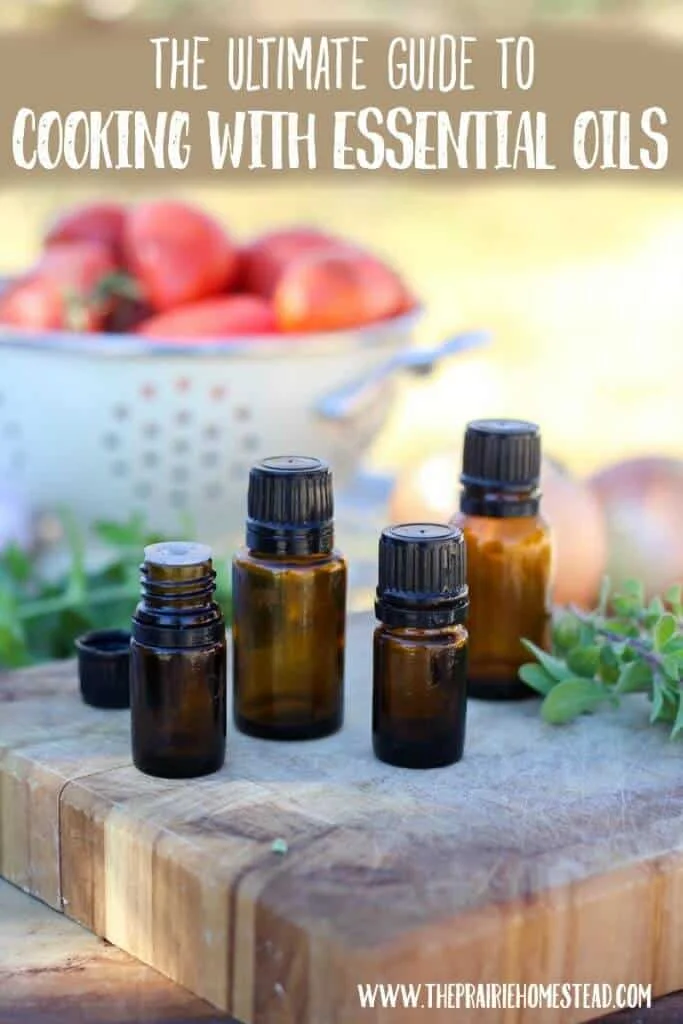
Store essential oils in dark glass bottles away from heat and direct sunlight. Keep lids tightly sealed to prevent oxidation. Refrigeration can extend shelf life but avoid freezing. Proper storage ensures oils retain potency and flavor longer.
Signs of Spoilage or Degradation
Essential oils that have changed color, developed cloudy appearance, or lost their characteristic aroma may be spoiled. A rancid or off smell indicates degradation. Using oils past their prime can impair taste and reduce health benefits, so regular inspection is important.
Conclusion: Enhancing Culinary Experience with Essential Oils
Food-grade essential oils offer a versatile and potent way to elevate cooking with vibrant flavors and potential health benefits. Understanding their proper use, safety considerations, and quality indicators is key to unlocking their full culinary potential. With careful selection and thoughtful application, these oils can transform everyday recipes into extraordinary experiences.