Understanding Texture in Vegetarian Cooking
The Importance of Texture Variety
One of the challenges many home cooks face when preparing vegetarian dishes is achieving a satisfying texture. Vegetarian meals often risk becoming monotonous when all ingredients are either too soft or too firm, making the eating experience less enjoyable. Texture variety is essential because it adds interest and complexity to a dish, stimulating the palate and encouraging appetite. Without balancing different textures, even the most flavorful ingredients can fall flat.
Defining Soft vs. Firm Ingredients
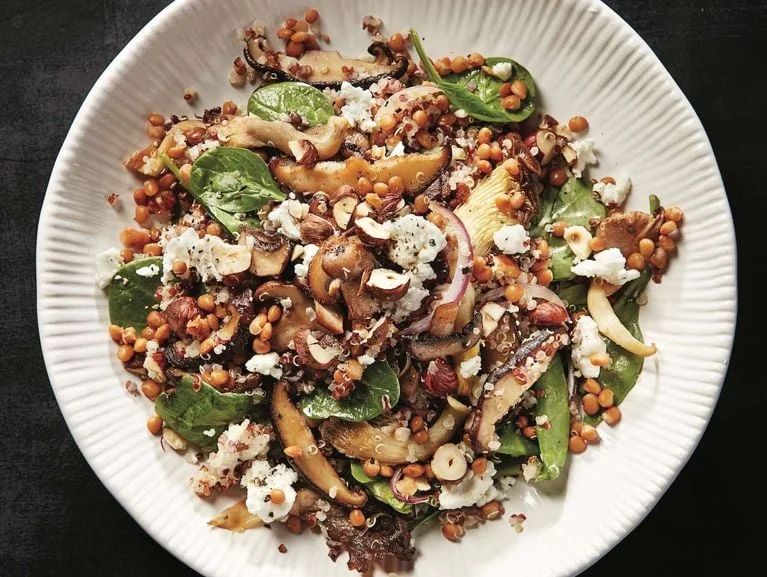
Soft ingredients tend to have a delicate, creamy, or tender consistency that yields easily when bitten into. Examples include ripe avocado or steamed vegetables. In contrast, firm ingredients hold their shape and offer some resistance, creating a satisfying bite. Recognizing the characteristics of soft and firm ingredients helps home cooks make intentional choices that enhance the overall mouthfeel of vegetarian dishes.
Common Soft and Firm Vegetarian Ingredients
Examples of Soft Textures: Tofu, Avocado, Cooked Mushrooms
Soft components like silken tofu provide creaminess, while ripe avocado adds richness without overwhelming other flavors. Cooked mushrooms can deliver a tender, almost meaty texture that complements the softness of other ingredients. These elements often play a crucial role in adding moisture and a melting sensation to dishes.
Examples of Firm Textures: Chickpeas, Quinoa, Carrots
On the firmer side, chickpeas offer a slight bite and chewiness, contributing substance to salads or stews. Quinoa, when cooked correctly, retains a slight firmness that creates textural contrast. Carrots, especially when raw or lightly cooked, add crispness and a fresh crunch that enlivens the dish. Including firm ingredients balances softer components and prevents the meal from feeling mushy or one-dimensional.
Techniques to Achieve Desired Textures
Cooking Methods That Soften Ingredients
Overcooking vegetables or tofu can lead to an unwanted mushy texture, but careful techniques such as steaming, slow simmering, or gentle sautéing can soften ingredients just enough without losing their integrity. For example, steaming carrots until tender yet firm avoids the unpleasantness of overdone, mushy vegetables. Soaking or marinating certain items like mushrooms can also enhance their softness while preserving flavor.
Techniques to Retain or Enhance Firmness
To maintain firmness, it’s important to avoid overcooking and use methods like roasting, grilling, or quick stir-frying. These techniques help develop a crispy exterior or keep vegetables slightly crunchy inside. Additionally, rinsing cooked grains like quinoa under cold water promptly stops the cooking process and maintains their desirable bite. Firm tofu varieties also hold up better to frying and grilling compared to silken tofu.
Building Balanced Vegetarian Dishes
Combining Soft and Firm Ingredients for Mouthfeel
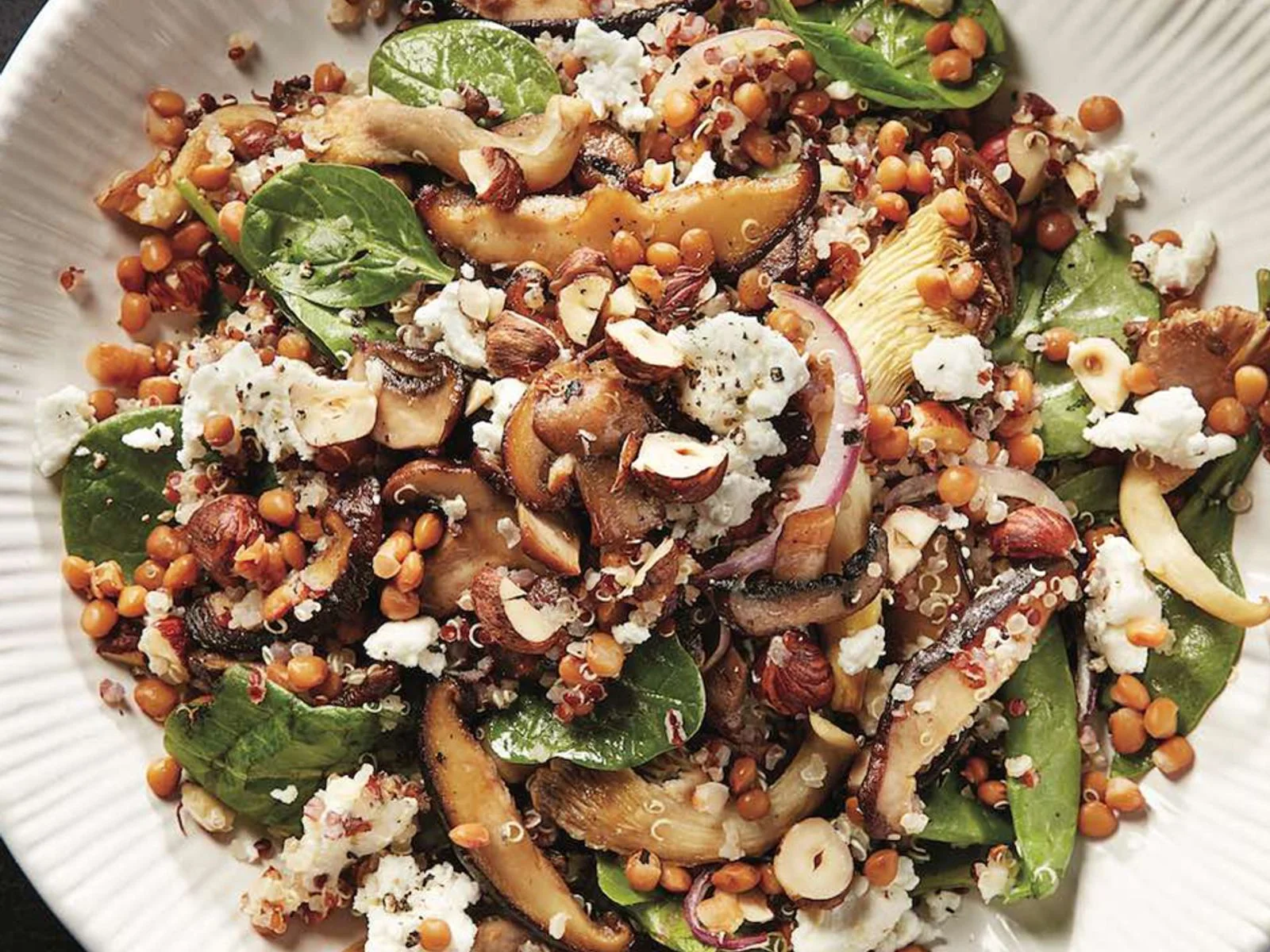
Balancing soft and firm ingredients in a single dish creates a dynamic, enjoyable mouthfeel. When creamy avocado or silky tofu is paired with crunchy carrots or nutty chickpeas, the textures complement each other, preventing monotony. This contrast keeps each bite interesting and can even enhance the perception of flavor, making the meal more satisfying overall.
Flavor Pairing with Texture Balances
Textures don’t exist in isolation—flavors and textures work hand-in-hand. Soft components often carry delicate or rich flavors that can be brightened with the sharpness and snap of firmer ingredients. For example, a creamy butternut squash puree gains depth when paired with crispy roasted chickpeas and fresh herbs. Thoughtful flavor pairing alongside textural balance elevates vegetarian dishes beyond the ordinary.
Practical Recipe Ideas for Home Cooks
Salads with Crunchy and Creamy Components
Creating salads that combine creamy elements like avocado, feta, or soft-boiled eggs with crunchy carrots, nuts, or crisp greens can transform a simple meal into a textural delight. Adding a variety of textures encourages eating pleasure and prevents the dish from feeling heavy or bland. These balance strategies require only minor ingredient adjustments but provide big improvements.
Hearty Stews Balancing Tender and Chewy Vegetables
Stews often rely on slow cooking, which naturally softens ingredients. However, including firmer vegetables such as carrots or parsnips alongside softer ingredients like mushrooms or potatoes ensures the stew doesn’t become a uniform mush. Introducing legumes like chickpeas or beans can add a chewy dimension that contrasts nicely with tender vegetables, resulting in a comforting yet texturally exciting meal.
Tips for Experimenting with Textures at Home
Simple Swaps to Alter Texture
If a dish feels too soft or too firm, small swaps can make a significant difference. For instance, swapping silken tofu for firm tofu adds structure, while replacing raw spinach with baby kale can increase chewiness. Experimenting with different cooking times and ingredient combinations allows home cooks to discover preferred textures and create more balanced meals.
Using Spices and Sauces to Complement Texture
Spices and sauces can enhance texture perception by adding layers of flavor that emphasize certain textural qualities. A crunchy spice blend sprinkled over soft ingredients provides a pleasant contrast, while creamy sauces can unify firmer components. Choosing acidic or spicy sauces can also brighten the palate, helping to balance richness or heaviness brought by creamy textures.